
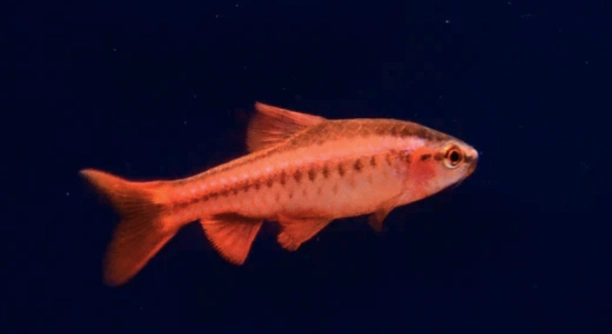
Cherry Barbs are vibrant fish known for their active nature. However, they can sometimes experience stress, which may not always be obvious. Recognizing early signs of stress is crucial for maintaining their well-being in an aquarium.
Stress in Cherry Barbs can be subtle but is typically identified through behavioral and physical changes. Reduced activity, fin clamping, and faded coloration are some indicators that stress is affecting their health. Monitoring these signs is essential for their care.
Addressing stress in Cherry Barbs early on can lead to better outcomes for their overall health. Understanding these signs will help ensure their comfort and long-term vitality in your aquarium.
1. Changes in Behavior
Cherry Barbs are usually very active and social, so when they become stressed, their behavior will often change. One of the most noticeable signs is a lack of movement. They may hover near the bottom of the tank or hide in corners, which is quite different from their usual swimming habits. Stress can also cause them to become more aggressive or territorial, especially towards other fish. When stressed, Cherry Barbs might also exhibit erratic swimming patterns or even become lethargic. This shift in behavior is one of the first signs to watch for in stressed fish.
Their behavior is an important indicator of how well they’re adjusting to their environment. Stressed Cherry Barbs will likely retreat into quiet areas or stop engaging with other fish. This reduced interaction signals that something may be wrong.
If your Cherry Barb shows these signs, it’s important to check their tank conditions. Stress could be related to water quality, overcrowding, or sudden changes in their surroundings. Regular water testing and proper tank maintenance can help prevent these issues.
2. Color Fading
Stress can cause Cherry Barbs to lose their vibrant colors. When they are healthy and content, their bodies display rich hues, but stress can lead to a significant dulling of their appearance. If your Cherry Barb’s colors fade, it could be a sign of discomfort or environmental stress.
Color fading is often a result of poor water conditions or a lack of proper nutrition. Ensure your Cherry Barbs have access to a balanced diet with essential nutrients. Keep their environment clean and stable to help maintain their natural colors. Stress impacts their ability to display vibrant hues, making it an easy sign to spot.
If your Cherry Barb is constantly fading, it’s time to inspect water quality and tank conditions. Consider adjusting the temperature, pH levels, and nitrate levels to reduce the stress factors in the tank. Consistently providing high-quality food and a peaceful environment should help restore their color over time.
3. Clamped Fins
Clamped fins are a common sign of stress in Cherry Barbs. Normally, their fins are spread out, allowing them to swim freely. When stressed, these fins may clamp tightly to their body, making them appear smaller and more withdrawn.
The most likely cause of clamped fins is poor water quality, but other factors such as overcrowding or sudden temperature changes can also contribute. If you notice your Cherry Barbs exhibiting this behavior, check the water parameters and reduce stressors in their environment. Keeping the water clean and maintaining a proper filtration system is essential for preventing this.
Clamped fins can also result from a lack of space, so ensure your tank is spacious enough for them to move around comfortably. Providing hiding spots and reducing competition with other fish may help alleviate stress and encourage normal fin movement.
4. Loss of Appetite
When Cherry Barbs are stressed, they may stop eating or lose interest in their food. A sudden lack of appetite can lead to weight loss and weakness, which is a sign that something is off in their environment. This is often one of the first warning signs.
Stress affects their digestive system and reduces their desire to feed. If you notice your Cherry Barbs ignoring food, it’s important to review their tank conditions immediately. Water temperature, pH balance, and the presence of aggressive tankmates can all affect their eating habits. Correcting these factors may help restore their appetite.
5. Rapid Gasping for Air
Gasping for air at the surface is a sign that your Cherry Barbs may be struggling with oxygen levels or water quality. This behavior can occur when the water becomes too warm, polluted, or lacks sufficient oxygen. If your fish start gasping for air frequently, it’s a clear indication of stress.
Check the oxygen levels in your tank to ensure your Cherry Barbs have enough to breathe. You can improve oxygen circulation by adding a proper filter or an air stone. Additionally, ensure the water temperature is within the recommended range to avoid stressing your fish further.
6. Restlessness
Cherry Barbs typically enjoy swimming and exploring their tank, but stress can make them restless. When stressed, they might swim in rapid, jerky motions or pace back and forth. This behavior indicates that they are uncomfortable or anxious in their environment.
Restlessness often happens when they are not feeling secure. You can help reduce this by creating hiding spots or offering them more space to swim. Also, check that the water parameters are stable and that there is no overcrowding in the tank. This will help reduce the stress that causes such behavior.
FAQ
What causes stress in Cherry Barbs?
Stress in Cherry Barbs is usually caused by factors such as poor water quality, incorrect tank conditions, overcrowding, or the presence of aggressive tankmates. A sudden change in their environment, like a temperature fluctuation or poor filtration, can also trigger stress. These fish are sensitive to changes, so even minor shifts in their surroundings can cause discomfort.
How can I reduce stress in my Cherry Barbs?
To reduce stress, ensure that your Cherry Barbs have clean water with stable temperature and pH levels. Avoid overcrowding, as it can make them feel trapped or anxious. Providing plenty of hiding spots, such as plants or decorations, allows them to feel safe. Also, keep an eye on their tankmates and make sure no aggressive fish are disturbing them. Regular maintenance and monitoring of water parameters will go a long way in reducing stress.
Is it normal for Cherry Barbs to become more aggressive when stressed?
Yes, stress can sometimes cause Cherry Barbs to become more aggressive. When they feel threatened or uncomfortable, they might display territorial behaviors or even chase other fish. This is especially common when there is insufficient space in the tank or when the fish are competing for resources. Ensuring that the tank is large enough and there are enough hiding spots can help prevent these aggressive behaviors.
Why are my Cherry Barbs losing color?
Cherry Barbs will often lose their vibrant colors when stressed. Stressful conditions like poor water quality, incorrect lighting, or aggressive tankmates can cause them to lose their natural hues. If you notice your fish turning dull, it’s important to check the water parameters and address any issues. Keeping the tank environment stable and well-maintained can help restore their color over time.
How do I know if my Cherry Barbs are sick or just stressed?
The symptoms of stress and illness can overlap, so it can sometimes be difficult to tell the difference. Stressed Cherry Barbs may exhibit changes in behavior, such as lethargy, loss of appetite, or hiding. However, if you notice abnormal physical signs, like white spots on their body, lesions, or unusual growths, it could be a sign of illness. If the fish continues to show signs of distress even after water quality improvements, consider consulting a veterinarian or fish specialist to rule out any diseases.
How often should I clean my Cherry Barb’s tank?
It’s important to clean your Cherry Barb’s tank regularly to maintain water quality and reduce stress. A partial water change of 25-30% should be done every week. The tank should also be checked for excess debris, algae, or uneaten food, which can all contribute to poor water quality. In addition, clean the filter regularly to ensure it’s functioning properly. A clean and stable environment will help prevent stress and health issues.
What water temperature is best for Cherry Barbs?
Cherry Barbs thrive in water temperatures ranging from 72°F to 80°F (22°C to 27°C). Temperatures outside of this range can cause stress, making them more susceptible to illness and other health issues. Keeping the tank within this range will help ensure that your fish are comfortable and less likely to exhibit signs of stress.
Can Cherry Barbs live with other fish?
Cherry Barbs are peaceful fish and can live with most species, but they do better with other non-aggressive species. Avoid housing them with overly territorial or large fish that may intimidate or bully them. Small, peaceful fish such as tetras, rasboras, and other barbs make good tankmates for Cherry Barbs. Keeping a diverse but compatible community can help reduce stress in the tank.
What should I feed my Cherry Barbs to keep them healthy?
A balanced diet is essential for Cherry Barbs to stay healthy and avoid stress. They thrive on a combination of high-quality flake food, pellets, and live or frozen foods like brine shrimp, daphnia, and bloodworms. Providing them with a varied diet ensures that they receive all the necessary nutrients to stay active and vibrant. Avoid overfeeding, as excess food can pollute the water and cause stress.
How do I know if my Cherry Barbs are breeding?
When Cherry Barbs are ready to breed, males will display more vibrant colors, and they may become more active in chasing the females. The female may become noticeably rounder as she carries eggs. If you observe these behaviors, you might consider separating the males and females into a breeding tank to encourage successful spawning. After spawning, it’s essential to remove the adults from the tank to avoid them eating the eggs.
Can I use medication in the tank if my Cherry Barbs are stressed?
Using medication should be done with caution, as it can sometimes add more stress to your fish. It’s best to address the cause of the stress first, such as improving water quality or reducing aggressive tankmates. However, if your Cherry Barbs show signs of illness, you may need to treat them with appropriate medications. Always follow the directions carefully and avoid medicating unless necessary, as this can worsen stress in already delicate fish.
How long does it take for Cherry Barbs to recover from stress?
The recovery time for stressed Cherry Barbs depends on the severity of the stress and the changes made to their environment. If the stressors are removed quickly and the water quality is improved, they may recover in a few days to a week. However, if the stress has been ongoing, it may take longer for them to regain their normal behavior and appearance. It’s important to monitor them closely and ensure that the stressors are removed to help them recover fully.
Final Thoughts
Cherry Barbs are relatively easy to care for, but they can be sensitive to changes in their environment. Stress is one of the main factors that can affect their health and behavior. By recognizing the subtle signs of stress, such as loss of appetite, restlessness, or gasping for air, you can take the necessary steps to address the issue and provide a more comfortable home for your fish. Stress often arises from poor water quality, temperature fluctuations, or the presence of aggressive tankmates. Taking proactive steps to create a stable, clean, and peaceful environment can go a long way in preventing stress in Cherry Barbs.
Ensuring your Cherry Barbs have enough space, proper filtration, and regular water changes is key to reducing stress. Providing hiding spots and avoiding overcrowding can also help them feel secure and reduce the risk of aggression. Regular monitoring of water parameters, such as pH, temperature, and ammonia levels, can prevent sudden changes that could cause stress. It’s important to always check the tank conditions and make adjustments when needed. Cherry Barbs thrive in well-maintained tanks with stable environments, and addressing stress early can prevent more serious health issues down the line.
If your Cherry Barbs show signs of stress or illness, don’t hesitate to make the necessary changes to improve their living conditions. While some level of stress is unavoidable, understanding the signs and knowing how to manage them can help you provide a better life for your fish. Keeping an eye on their behavior and regularly checking tank conditions can help you catch problems early and maintain a healthy, thriving aquarium. With proper care and attention, your Cherry Barbs will remain happy, active, and colorful for years to come.

Hello,
If you enjoy the content that we create, please consider saying a "Thank You!" by leaving a tip.
Every little bit helps us continue crafting quality advice that supports the health, happiness, and well-being of pets around the world, for pets of all shapes, sizes, and species.
We really appreciate the kindness and support that you show us!