
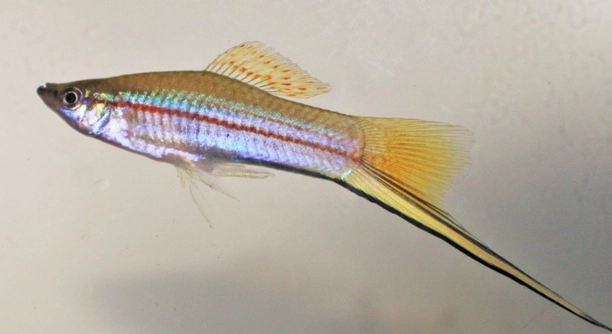
Swordtails are popular aquarium fish, known for their striking colors and lively personalities. However, their health can sometimes be difficult to assess. Subtle signs of illness may appear gradually, making it harder to spot.
Sick swordtails often show changes in behavior, appetite, or appearance. Subtle signs include faded colors, lack of energy, abnormal swimming patterns, or refusal to eat. These symptoms can indicate various health issues, including infections or poor water conditions.
Recognizing these signs early can help you take action before things get worse. Identifying health problems quickly ensures your swordtail stays healthy and vibrant. Keep an eye on their behavior to maintain their well-being.
Color Fading
One of the most noticeable signs of a sick swordtail is a change in color. Healthy swordtails display vibrant, rich colors that stand out in any tank. If you notice your swordtail’s colors starting to fade, it could indicate a health problem. This fading might happen gradually or suddenly, depending on the severity of the issue. Often, color fading is a sign of stress, poor water conditions, or illness. In some cases, it may also be linked to nutritional deficiencies. Swordtails are sensitive to their environment, and when they feel stressed, it can affect their pigmentation. Ensure the water quality is maintained, with regular water changes and proper filtration.
If your swordtail’s fading colors persist, it is crucial to check for any other symptoms. Look for changes in behavior or appetite, as this can help pinpoint the cause of the issue. When caught early, it’s easier to address the problem and improve your swordtail’s health.
Keeping your swordtail’s tank clean and stress-free is key to preserving their beautiful colors. Regular maintenance and monitoring their behavior can prevent further issues.
Abnormal Swimming Patterns
Swordtails may exhibit abnormal swimming patterns when they are unwell. Healthy fish swim gracefully and actively, but a sick swordtail may swim erratically or remain in one spot.
Unusual swimming behavior could indicate various health problems. These include issues with their swim bladder, infections, or poor water quality. If your swordtail is swimming upside down, struggling to stay upright, or staying near the surface, it’s time to check the water parameters. Fish often display abnormal swimming when they are struggling to breathe or deal with physical discomfort.
To address these issues, ensure that the tank’s water temperature, pH, and ammonia levels are in the ideal range. Swordtails are sensitive to water quality changes, and imbalanced water parameters can lead to stress and health problems. If necessary, consult an aquarium specialist to identify any potential issues with your swordtail’s behavior.
Loss of Appetite
If your swordtail isn’t eating, it’s a sign something’s wrong. Healthy swordtails are usually eager to feed, so a lack of interest in food can be alarming. Stress, illness, or water quality issues are common causes.
A swordtail may stop eating if it is stressed by sudden changes in its environment, such as water temperature fluctuations or new tank mates. Poor water quality can also affect their appetite. Infections and parasites can cause discomfort, leading to loss of appetite as well. If this occurs, try testing the water parameters and perform a water change if necessary.
Monitor your swordtail’s behavior closely. If the loss of appetite continues for more than a couple of days, consider isolating the fish in a separate tank for observation and treatment. This step can help reduce stress and prevent the spread of potential diseases to other fish in the tank.
Abnormal Feces
Swordtails’ feces can provide valuable clues about their health. Healthy fish typically produce solid, regular waste. However, abnormal feces—whether stringy, discolored, or too frequent—can indicate an issue.
Stringy or pale feces often point to internal parasites or digestive issues. If the fish’s feces becomes white or transparent, it could be a sign of a bacterial infection. Additionally, excessive or unusually small feces can signal poor digestion or an imbalanced diet. Adjusting their diet to ensure they’re getting proper nutrition may help address the issue.
Look for other signs, such as changes in behavior or appearance, that could indicate a more serious issue. If the abnormal feces persists, consider consulting a professional for a diagnosis. Treating internal problems early on can help restore your swordtail’s health and prevent further complications.
Lethargy
Lethargy is another common sign of illness in swordtails. When a swordtail is sick, it might spend more time at the bottom of the tank or hide.
This lack of energy can be due to poor water conditions, stress, or an underlying health problem. Swordtails typically swim around actively, exploring their environment and interacting with other fish. If they seem unusually still or sluggish, it’s worth investigating their surroundings. Low oxygen levels, high ammonia, or temperature fluctuations can all contribute to lethargy.
Skin Lesions
If you notice any sores, lesions, or unusual marks on your swordtail’s skin, it could be an indication of an infection. These types of wounds may be caused by bacteria, parasites, or injuries.
It’s important to observe if these marks are spreading or worsening. If the skin lesions are due to an infection, they may require specific treatment, like medicated water or quarantine. Infected fish should be isolated from the rest of the tank to prevent the spread of the illness. Keeping the tank clean and ensuring proper water parameters will help prevent future outbreaks.
Rapid Gasping
Rapid or labored breathing is a concerning sign that something may be wrong with your swordtail. If the fish is gasping at the water’s surface or seems to struggle to get enough air, it likely points to oxygen deprivation or a respiratory infection.
Poor water quality, high ammonia levels, or inadequate oxygenation can lead to rapid breathing. It’s essential to check the tank’s filtration system, water temperature, and oxygen levels. If the fish continues to breathe heavily, it may be suffering from an infection, and you should consider medicating the water.
FAQ
What should I do if my swordtail stops eating?
If your swordtail isn’t eating, first check the water quality. Poor water conditions, like high ammonia or improper temperature, can cause stress and loss of appetite. Make sure the tank is clean and the water is at the right pH level. Swordtails are also sensitive to changes in their environment, so if there have been any recent adjustments like new tank mates or decorations, this could also stress them. If the fish still won’t eat after addressing these factors, consider isolating the swordtail in a quarantine tank to observe further or treat potential illnesses.
How can I tell if my swordtail is sick?
Look for subtle signs of illness in your swordtail, such as color fading, lethargy, abnormal swimming, or unusual feces. Fish that are not eating or swimming erratically may be sick. Additionally, check for lesions or sores on their skin, as these can indicate bacterial or parasitic infections. If any of these symptoms appear, test the water quality, ensure it is within safe parameters, and observe your fish carefully. Early intervention can often prevent the illness from becoming worse.
Why is my swordtail swimming upside down?
Swimming upside down can indicate a swim bladder issue, which affects the fish’s buoyancy. This problem can be caused by overfeeding, poor water quality, or an infection. If the swim bladder is damaged, the fish might have difficulty controlling its position in the water. You can try fasting the fish for a couple of days to see if the condition improves. If the problem persists, you may need to treat it with antibiotics or seek advice from a fish specialist.
Is it normal for swordtails to lose their color?
Swordtails may lose color due to stress, poor water quality, or illness. Stress can occur from changes in their environment, like sudden temperature shifts, overcrowding, or incompatible tank mates. If the water quality isn’t ideal, it can also affect their pigmentation. Nutritional deficiencies, such as a lack of essential vitamins or minerals, can cause swordtails to lose their vibrant colors as well. Regular water changes, proper nutrition, and a stable environment should help maintain their colors.
How can I improve my swordtail’s diet?
Ensure your swordtail is getting a balanced diet by providing a variety of foods. High-quality pellets, flakes, and live or frozen food such as brine shrimp, daphnia, or bloodworms can improve their overall health. Be sure not to overfeed, as excess food can contribute to water quality problems and digestive issues. Swordtails also benefit from occasional vegetable matter, such as blanched spinach or algae wafers. Offering a varied diet will ensure they get the nutrients they need for vibrant colors and strong health.
What is the best water temperature for swordtails?
Swordtails thrive in water temperatures between 72°F and 78°F (22°C to 25°C). If the water is too cold, swordtails may become sluggish, and their immune systems may weaken. If the water is too warm, it can cause stress and increase the likelihood of disease. Regularly monitor the tank’s temperature to ensure it stays within the optimal range for your swordtails. A reliable aquarium heater can help maintain a stable temperature.
Why is my swordtail hiding in the tank?
Hiding is often a sign of stress or illness in swordtails. If they feel threatened by aggressive tank mates, changes in their environment, or poor water conditions, they may seek shelter. Swordtails may also hide if they are not feeling well, especially if they are dealing with infections, parasites, or a poor diet. Make sure the tank provides hiding spots but also check for any other signs of illness like color fading or lethargy. Assess the water quality and the behavior of other fish in the tank.
How often should I change the water in my swordtail’s tank?
Water changes are vital for maintaining the health of your swordtail. You should change about 25% to 30% of the water every 1 to 2 weeks. However, if you notice poor water quality, excess algae, or if the swordtail is showing signs of stress, you may need to do water changes more frequently. Regular water testing can also help you determine if the ammonia, nitrate, and nitrite levels are within a safe range. Clean the substrate during water changes to remove debris and prevent waste buildup.
Can swordtails live with other fish?
Swordtails are peaceful and generally get along with other fish, but they can be territorial, especially males. They are best kept with other peaceful species of similar size. Avoid keeping them with overly aggressive fish, which could stress or harm your swordtails. Livebearers like guppies, platies, and mollies are great tank mates. If you’re keeping swordtails with other fish, ensure the tank is large enough to give everyone enough space to avoid territorial disputes.
How can I tell if my swordtail has a parasite?
Parasites can cause various symptoms, such as faded colors, clamped fins, rubbing against objects, or abnormal swimming. You might also notice visible signs, such as tiny white spots or threads on the body, which could be indicative of ich or external parasites. If you suspect a parasitic infection, it’s essential to quarantine the infected fish immediately to prevent it from spreading to others. Consult a veterinarian or a fish specialist to determine the best treatment options.
Final Thoughts
Swordtails are hardy fish that can thrive in a well-maintained tank with the right care. However, like all aquarium pets, they can face health challenges, and it’s important to recognize the subtle signs of illness early on. Symptoms such as lethargy, changes in eating habits, or skin lesions should not be ignored. Monitoring their behavior and keeping the tank’s water quality in check are crucial steps in preventing many common issues. Regular water changes, a balanced diet, and appropriate tank mates will also contribute to a healthier environment for your swordtails.
Understanding the signs of sickness in swordtails is essential for their well-being. If you notice your fish acting out of character, such as hiding or swimming abnormally, it’s important to take action quickly. Addressing water quality, checking for possible stressors, and ensuring proper nutrition can prevent minor issues from turning into major problems. In some cases, isolated treatment in a separate tank may be necessary to help the fish recover without affecting others in the tank. Prompt attention can make a significant difference in your fish’s recovery.
Ultimately, caring for swordtails requires attention to detail and a proactive approach. Regular observation and routine maintenance can go a long way in ensuring they stay healthy. If you suspect something is wrong, don’t hesitate to seek advice or treatment. By staying vigilant and maintaining a stable environment, you can enjoy the beauty and personality of your swordtails for years to come. With proper care, these vibrant fish can remain a lively and beautiful addition to your aquarium.

Hello,
If you enjoy the content that we create, please consider saying a "Thank You!" by leaving a tip.
Every little bit helps us continue crafting quality advice that supports the health, happiness, and well-being of pets around the world, for pets of all shapes, sizes, and species.
We really appreciate the kindness and support that you show us!