
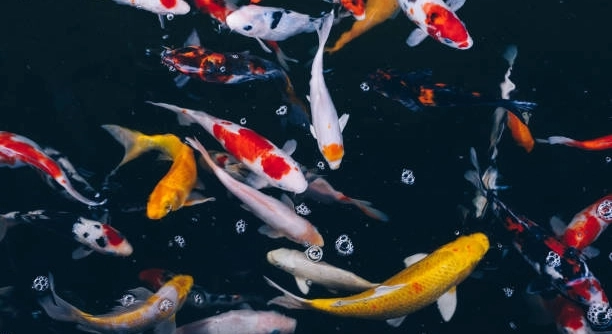
Are your koi fish acting different lately, spending more time alone or showing less interest in food and movement each day?
Koi fish can show signs of depression through changes in behavior, such as lethargy, reduced appetite, isolation, and lack of interaction. These subtle indicators often reflect underlying environmental stress, health issues, or social imbalance in the pond.
Recognizing these early signs can help protect your koi’s overall health and keep their environment supportive, peaceful, and thriving.
Koi That Stay Still Too Often
If your koi fish are frequently staying still or floating in one spot, this can be a sign of emotional or physical stress. Healthy koi usually swim around actively and interact with each other. When one or more fish remain motionless for long periods, it may indicate that something is wrong in the pond environment. Poor water quality, sudden temperature shifts, or bullying from other fish can all cause koi to isolate themselves. It’s important to check the water parameters first, including ammonia, nitrite, and pH levels. Low oxygen levels or excessive noise can also contribute to a lack of movement. Observing their behavior over a few days can help determine if the issue is ongoing or temporary. If the problem persists, ruling out illness is the next step. Addressing the root cause early helps prevent worsening conditions and supports the koi’s well-being without delay.
This behavior is not typical for koi and should not be ignored.
Make sure your filtration system is working properly, as still behavior is sometimes related to oxygen depletion or poor water circulation.
Sudden Changes in Appetite
Koi that lose interest in food may be showing signs of depression or illness. Appetite changes can signal emotional distress or environmental imbalance.
Inconsistent feeding behavior often reflects discomfort. If water conditions have changed, koi may stop eating to cope with the stress. Cold water, poor oxygenation, and crowding can affect digestion and interest in food. Social dynamics may also play a role—dominant koi may prevent others from feeding. Offer food at the same time each day and observe whether certain koi are consistently ignoring it. Check water temperature and consider if anything new has been added to the pond. Sometimes, loud noises, predators nearby, or even routine disruptions can affect feeding behavior. Addressing these issues may help bring back their normal appetite. If appetite loss continues despite environmental adjustments, consult a fish health professional to rule out infection or internal problems. Early action ensures your koi remain in good condition.
Isolation From Other Fish
When a koi starts keeping its distance from the group, it could mean something is wrong. Koi are social and usually swim together. Staying alone for long periods often points to stress or discomfort in their surroundings.
Isolation can develop when a koi feels unsafe, is being bullied, or is experiencing physical pain. If one fish is consistently chased or pushed away during feeding, it may withdraw from the group. Monitor interactions to identify if a particular fish is acting aggressively. Water quality problems like high ammonia or pH imbalance can also make koi retreat. Changes in lighting, loud noises, or predator threats may leave koi feeling vulnerable. Make sure hiding spots are available, but also ensure they aren’t being used constantly. Isolation that persists over several days, especially when paired with poor appetite or sluggish movement, should prompt closer observation and potential intervention to protect the affected fish.
Always check for signs of injury or illness if a koi becomes distant. A wound, parasite, or internal infection may make the fish avoid others. Gentle handling and a separate recovery area might help if the koi needs space to heal. Also, observe water temperature shifts, as sudden drops can influence how koi interact.
Color Fading
A koi’s color can fade over time, but sudden dullness may be a sign of depression or environmental stress. Bright, vibrant colors are often a reflection of good health and stable pond conditions.
Water temperature, light exposure, and diet all affect koi coloration. When the environment becomes unstable—fluctuating temperatures, poor lighting, or unbalanced nutrition—color loss can happen quickly. Stress can also interfere with pigment expression. If multiple koi are affected at once, check filtration and feeding routines. Adding a color-enhancing diet may help, but this works best alongside improving water quality. Consider whether anything has changed recently, such as nearby construction noise or reduced pond maintenance. These small shifts can create ongoing tension in koi, impacting both mood and appearance.
Faded colors that develop along with sluggish behavior or loss of appetite should be taken seriously. This pattern may mean the fish is struggling physically or mentally. Try to restore calm conditions—stable temperatures, good filtration, and minimal disruption help koi feel more secure. Ensure the pond is not overcrowded and offers a natural day-night cycle with soft lighting. Addressing these conditions early gives koi a chance to regain their strength and color over time.
Lack of Reaction to Stimuli
When koi stop responding to movement, sound, or food, this can reflect emotional withdrawal. Koi typically react when people approach or when food enters the water. A lack of interest may signal stress or discomfort.
Environmental stressors like loud noise, unstable temperatures, or overcrowding can overwhelm koi. Over time, this may cause them to shut down and ignore their surroundings.
Changes in Swimming Patterns
Erratic swimming, such as circling or floating sideways, can indicate distress. These movements are different from regular exploration and should be watched closely for worsening behavior or other health signs.
Pale Gills
Pale gills can point to poor water quality, stress, or low oxygen levels. It’s important to check filtration, aeration, and test for toxins immediately.
What causes depression in koi fish?
Depression in koi often results from environmental stress, poor water quality, illness, or social issues within the pond. Changes in water temperature, inadequate filtration, or overcrowding can create conditions that make koi feel unsafe or uncomfortable. Physical injuries and parasites may also lead to withdrawal and depressed behavior. Social stress, such as bullying or competition for food, can cause koi to isolate or lose interest in their surroundings. Maintaining stable water conditions, providing enough space, and observing fish interactions closely can help prevent these problems.
How can I improve my koi’s environment to reduce stress?
Start by regularly testing water for ammonia, nitrites, nitrates, and pH to ensure levels are safe. Proper filtration and aeration are essential to keep oxygen levels steady. Avoid sudden temperature changes by providing shade and using heaters or coolers as needed. Keep the pond clean, removing debris and excess algae. Provide hiding spots and plants for koi to retreat if they feel threatened. Limit noise and disturbances around the pond to create a calm space. Feeding balanced, nutritious food at consistent times supports overall health and stress resistance.
Can koi recover from depression, and how long does it take?
Koi can recover from depression when the cause is identified and addressed promptly. Recovery time varies depending on the severity of the stress and the fish’s overall health. Minor environmental issues may see improvement in a few days, while illness or social stress could take weeks to resolve. Consistent care, clean water, gentle handling, and removing sources of stress speed recovery. Monitoring behavior and appetite helps track progress. If koi do not improve, seeking advice from a fish health professional is important to rule out underlying diseases.
Are there specific signs that indicate koi depression versus illness?
Some signs overlap, but depression often shows as behavioral changes like isolation, lack of movement, and loss of appetite without clear physical symptoms. Illness usually includes visible changes such as sores, clamped fins, erratic swimming, or changes in gill color. Depressed koi may appear dull and inactive but otherwise physically normal. Careful observation is needed to distinguish between the two. Testing water quality and watching for physical symptoms can help clarify the cause. If illness is suspected, treatment may require medication or quarantine.
How often should I check my koi’s behavior for signs of depression?
Regular observation is key. Daily checks are ideal, especially during seasonal changes or after pond maintenance. Look for changes in activity levels, appetite, swimming patterns, and social interaction. Small shifts can indicate early stress. Keeping a journal of behaviors helps track trends over time. Frequent monitoring allows for quick responses to problems, preventing stress from worsening. Even brief daily visits to the pond provide valuable insight into your koi’s well-being.
Can diet affect koi mood and behavior?
Yes, diet directly influences koi health and mood. A balanced diet rich in essential nutrients supports strong immune function and energy levels. Poor nutrition can lead to lethargy, weakened resistance to stress, and behavioral changes. Offering a mix of high-quality pellets, fresh vegetables, and occasional treats provides variety and important vitamins. Avoid overfeeding, as uneaten food can pollute the water and increase stress. Consistent feeding times also help koi feel secure.
Is water temperature important in preventing koi depression?
Water temperature is critical. Koi are cold-water fish but prefer stable temperatures between 59°F and 77°F (15°C to 25°C). Rapid temperature swings can stress koi, affecting mood and immune response. Extreme cold or heat slows metabolism, reducing activity and appetite, which can mimic depression. Using pond heaters or shade screens helps maintain stable conditions. Monitoring weather and adjusting care accordingly protects koi from temperature-related stress.
What role does pond size play in koi mental health?
Adequate pond size reduces stress by providing space to swim and establish territories. Crowded conditions lead to competition, aggression, and social stress, increasing the risk of depression. A minimum of 250 gallons per koi is recommended for healthy social interaction and water quality management. Larger ponds also help maintain stable water parameters. Proper design includes areas for hiding and rest, reducing tension among fish.
Can changes in pond mates affect koi behavior?
Yes, adding or removing fish can disrupt social balance. Koi form hierarchies, and new members may challenge existing ones, causing stress. Removing a dominant koi can also unsettle the group. Introducing new fish slowly and monitoring interactions reduces conflict. Quarantining new arrivals protects the whole pond from disease. Stable social groups promote calm behavior and reduce signs of depression.
When should I consult a professional about koi behavior changes?
If behavioral changes persist for more than a week despite addressing water quality and environmental factors, professional advice is recommended. Sudden changes in appetite, swimming, or appearance can signal illness needing treatment. A fish health expert can diagnose infections, parasites, or nutritional deficiencies. Early intervention improves recovery chances and prevents loss. Regular consultation supports long-term koi health and mental well-being.
Koi fish can show subtle signs of depression that often go unnoticed. These signs include changes in behavior, appetite, and swimming patterns. It is important to observe koi regularly because early detection can prevent more serious problems. Depression in koi is usually linked to environmental factors such as poor water quality, overcrowding, or sudden changes in temperature. Illness and social stress can also contribute. By paying attention to these signs, koi keepers can take steps to improve their fish’s well-being.
Maintaining a healthy pond environment is key to preventing koi depression. Regular water testing and proper filtration help keep water clean and safe. Providing enough space for each fish reduces competition and stress. Stable water temperature is also important because koi are sensitive to sudden changes. Feeding a balanced diet at consistent times supports good health and behavior. Creating hiding spots and minimizing disturbances help koi feel secure. These practical actions support koi mental and physical health over time.
If koi show signs of depression, immediate action is needed. Addressing water quality problems and checking for illness can make a difference. Observing fish daily helps track their recovery and behavior changes. If the problem continues or worsens, consulting a fish health professional is advisable. Understanding the causes of depression and responding promptly can improve koi quality of life. Proper care ensures koi remain active, healthy, and happy in their aquatic environment.

Hello,
If you enjoy the content that we create, please consider saying a "Thank You!" by leaving a tip.
Every little bit helps us continue crafting quality advice that supports the health, happiness, and well-being of pets around the world, for pets of all shapes, sizes, and species.
We really appreciate the kindness and support that you show us!