
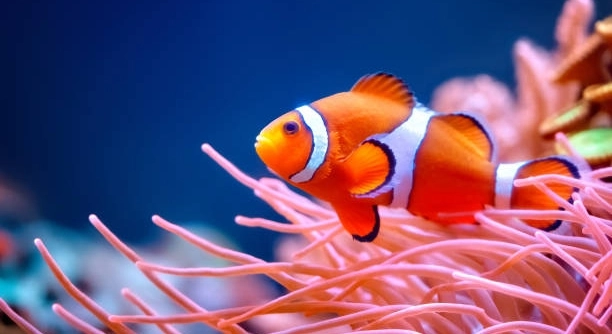
Do you ever find yourself watching your clownfish closely, wondering if they’re starting to feel more comfortable and secure around you?
Clownfish build trust through subtle changes in behavior, including slower movements, increased visibility, and calm responses to your presence. These actions signal growing comfort and familiarity with their environment and caretaker.
Learning to recognize these small signs can help you create a peaceful and supportive tank environment your clownfish will truly thrive in.
They Swim Near You More Often
Clownfish that trust you begin to spend more time in open water and swim near the front of the tank. Instead of hiding inside their anemone or behind rocks, they become more visible. This behavior shows they’re beginning to feel secure and no longer view you as a threat. You might notice them calmly observing you or swimming toward the glass when you approach. These movements are not just about curiosity; they reflect growing comfort. It can take time, but consistency and a peaceful environment help reinforce these signs of trust. Avoid sudden movements and loud noises around the tank. When clownfish start to recognize you as a consistent and non-threatening presence, they gradually become more interactive. Over time, they may even associate you with feeding, which deepens their trust and keeps them engaged. Observing this subtle shift is a positive sign of progress in your bond with your fish.
This behavior also helps with tank maintenance, since they won’t dart away when you approach.
As they become used to your presence, they may also begin hovering near the surface or following your finger along the glass. These are strong indicators that they feel safe and recognize you as part of their environment.
They Don’t Dart Away When You Clean
When clownfish feel safe, they don’t panic during regular tank maintenance or water changes. Instead of hiding or swimming frantically, they remain calm and nearby.
In the beginning, clownfish may dart behind rocks or into their host anemone every time your hand enters the tank. But over time, if they begin staying in place or just slowly swimming out of the way, that is a clear signal of growing trust. This is particularly important during cleaning, when your movements inside the tank could otherwise startle them. If they only shift slightly or even watch you while you work, it means they are no longer alarmed by your presence. This behavior shows that they understand your actions are not a threat to them. Calm behavior during cleaning also helps reduce overall tank stress, which can support better health and more predictable behavior. It’s a simple but clear way to see if they’re comfortable.
They Accept Food from You Without Hesitation
Clownfish that trust you will quickly come to the surface or front of the tank when food is introduced. They won’t pause or hide before eating and may even anticipate feeding.
This shift in behavior often develops after they’ve learned to associate your presence with positive experiences, especially feeding. Clownfish that trust their environment will swim confidently to the top when you approach with food, without retreating or acting skittish. They’ll eat near your hand if you feed them directly, or they’ll actively chase food while staying in plain view. Hesitation or hiding during feeding usually indicates stress or discomfort. If your clownfish feed calmly and promptly every time, it means they feel safe and secure. This is also a helpful way to monitor their health—eating eagerly is a sign that they’re not only trusting but also thriving.
Consistency in your routine builds their confidence. Feeding them at the same time each day helps reinforce their comfort. Once they’ve come to trust the process, they often begin recognizing your movements and may start swimming toward you even before food appears. These patterns grow stronger when the tank environment stays stable, with no sudden changes that could cause alarm or stress during feeding sessions.
They Show Gentle Interest in Tank Activity
When clownfish trust their environment, they become more attentive. You may notice them calmly observing movement in or around the tank rather than hiding or swimming away.
They often swim toward the glass when something changes outside the tank, showing curiosity instead of fear. This includes following your hand as you adjust equipment or gently floating closer when new objects are added. These reactions are subtle but meaningful signs that they’ve adapted to your presence and feel at ease in their surroundings. Clownfish that trust you are less likely to react with sudden or erratic behavior. Instead, they respond with gentle movements, staying near while watching what you’re doing. This comfort helps promote a peaceful tank, not only for them but for other fish sharing the space. Their steady presence and increased awareness signal that they are no longer feeling threatened, and they now recognize you as part of their normal environment.
They Swim in Open Areas More Often
Clownfish that trust their surroundings will leave their hiding spots more frequently. Instead of staying tucked inside their anemone or rock crevices, they explore open spaces calmly and with steady movements.
This behavior shows that they no longer feel the need to shield themselves from possible threats and feel safe.
They Allow You to Get Close to the Glass
As clownfish become more comfortable, they don’t swim away when you approach the tank. Instead, they might stay near the front, watching you. This is a small but important change that signals trust. It means they’ve learned that your presence doesn’t bring stress. If you notice them hovering near the same area every time you come close, or if they casually follow your finger along the tank wall, they’re responding to you in a calm and trusting way. This interaction helps create a more personal connection and shows that they recognize you as a familiar part of their daily routine.
They Show Peaceful Behavior Around Tank Mates
Clownfish that trust their environment tend to stay calmer around other fish. They avoid aggression and move slowly, without tension.
FAQ
How long does it take for clownfish to trust their owner?
It usually takes a few weeks for clownfish to begin trusting their owner, but it depends on their individual personality and tank conditions. If the tank stays quiet, stable, and peaceful, trust can form faster. Feeding them consistently and moving slowly around the tank helps them feel secure. Some clownfish may warm up in just a few days, while others take a month or more to adjust. Avoid sudden changes in lighting, temperature, or tank layout, as these can cause stress and delay the process. Patience is key when building trust with clownfish.
Do clownfish recognize people?
Clownfish may not recognize faces the way dogs or cats do, but they can associate certain movements, voices, or routines with specific people. If you feed them daily and approach the tank gently, they begin to connect your presence with something positive. This learned association can make them come closer to the glass when you approach, especially around feeding time. They can also show different behavior toward different people, especially if one person interacts with them more calmly than another. Over time, clownfish can show familiarity through their body language and reactions.
Why do clownfish sometimes hide even after showing trust?
Even trusting clownfish may hide occasionally. This can happen if something in the tank changes, such as water parameters, new tank mates, or bright lighting. Sometimes they’re just resting or seeking a safe space. If the hiding is brief and they return to their usual behavior, it’s not a sign of lost trust. However, if they stay hidden for long periods, check for stress factors like temperature changes, loud sounds, or aggressive fish. Clownfish are sensitive to environmental shifts, so consistent conditions help them feel confident and stay active.
Is hand-feeding clownfish safe?
Yes, hand-feeding clownfish is generally safe, especially if they’ve grown used to your presence. They may gently nip at your fingers, but it doesn’t usually hurt. Start by offering food close to the water’s surface so they associate your hand with feeding. If they’re already comfortable around you, they might take food directly. Just make sure your hands are clean and free of soaps or chemicals, as these can harm the tank water. Also, avoid forcing interaction—if they seem unsure, give them time to adjust before trying again.
Can clownfish lose trust once it’s built?
Yes, clownfish can lose trust if something suddenly changes in their environment or interactions become stressful. Rough handling, frequent tank rearranging, or unexpected loud noises can cause them to retreat or become jumpy again. They might start hiding more often or act cautiously if they feel unsafe. Fortunately, trust can be rebuilt by restoring stability and giving them time. Resume calm, consistent behavior and reestablish your presence as something non-threatening. Avoid startling them and maintain a peaceful environment so they feel comfortable enough to return to normal patterns.
Do clownfish behave differently when alone?
Clownfish kept alone can still form bonds with their owner, but their behavior may be slightly more reserved. They might rely more on their host anemone or hiding spot for comfort. When kept with a bonded pair or other peaceful tank mates, clownfish often become more confident and active. However, this depends on the individual fish. Some clownfish are naturally more outgoing, even when kept alone. If you provide consistent care and interaction, a single clownfish can still build trust and show many of the same signs of comfort.
What should I avoid doing if I want clownfish to trust me?
Avoid tapping on the glass, moving quickly near the tank, or making sudden loud noises. Don’t change the tank layout too often or add aggressive fish that could cause stress. Keep lighting soft and predictable, and maintain regular feeding times. Try not to reach into the tank unnecessarily, especially during the early days of adjustment. If they react by hiding or darting away, give them time to recover instead of pushing for interaction. Trust builds best in a calm, quiet, and stable environment where they can feel in control.
Final Thoughts
Building trust with clownfish takes time, patience, and consistency. These small fish are sensitive to their environment and respond best to a calm, quiet space. When they begin to show signs like staying out in the open, swimming near you, and eating confidently, it means they feel safe. These behaviors may seem small, but they are important. Trust doesn’t happen right away. It builds slowly, one step at a time, through steady care and gentle interactions. If you stay consistent in how you feed them and keep their tank stable, they will start to feel more relaxed around you.
Every clownfish is different, and some may take longer than others to feel comfortable. Changes in lighting, water quality, or tank mates can affect how they behave. It’s helpful to watch their actions closely and learn what they’re trying to show you. If they hide for a day, it might just be stress from a small change. But if they return to their normal behavior quickly, it’s usually nothing to worry about. Keep a routine that doesn’t change too often. This helps them know what to expect, and they will learn that your presence isn’t something to fear.
Clownfish are not only beautiful to watch, but they are also intelligent in their own way. They notice things, remember routines, and can show affection through their behavior. As trust builds, your bond with them will become clearer through simple things like their calm swimming and curious glances. Creating a peaceful space for them also benefits the entire tank. When clownfish feel safe, they behave more naturally, which helps the overall balance of the aquarium. Trust is not built in one day, but with time and care, your clownfish will grow more confident and connected to you. Watching them thrive and interact calmly in their environment is a reward on its own.

Hello,
If you enjoy the content that we create, please consider saying a "Thank You!" by leaving a tip.
Every little bit helps us continue crafting quality advice that supports the health, happiness, and well-being of pets around the world, for pets of all shapes, sizes, and species.
We really appreciate the kindness and support that you show us!