
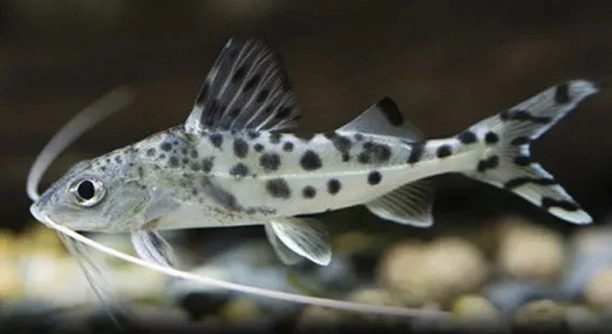
Pictus catfish are popular aquarium fish known for their calm and curious nature. Observing their subtle changes in mood can help owners understand their well-being better. These shifts may seem small but are important signs to recognize.
Pictus catfish exhibit subtle mood shifts through changes in behavior, coloration, and movement patterns. These shifts indicate stress, comfort, or alertness and can be identified by careful observation of tail flicks, fin position, and body posture.
Recognizing these mood shifts can improve how you care for your catfish and enhance their environment for a happier, healthier pet.
Subtle Changes in Tail Movement
Pictus catfish use their tails to communicate moods in ways that might be easy to miss at first. A slow, steady tail flick usually shows the fish is calm and comfortable in its tank. When the tail flicks become quicker or more erratic, it may indicate stress or agitation. Sometimes, the tail will move gently when the fish is curious or exploring its environment. If you notice a stiff or rigid tail, this can be a sign of discomfort or illness. Paying attention to these subtle tail movements gives insight into how your catfish is feeling without needing to disturb its environment. It’s helpful to observe your fish regularly so you can learn what is normal for your specific catfish and spot any changes early. Understanding tail movement patterns supports better care and a more peaceful tank environment for your Pictus catfish.
Tail movement is an easy way to gauge your catfish’s mood if you watch closely. It shows calmness or stress.
Watching these small movements helps you react quickly to your catfish’s needs and maintain a healthy tank. Tail signals often change before other signs appear, making them useful early warnings. Knowing these cues allows adjustments in tank conditions, like water quality or lighting, to keep your catfish comfortable. The more familiar you become with your fish’s normal behavior, the better you can support its well-being.
Fin Position and Mood
Fin position reveals much about how Pictus catfish feel. Relaxed fins usually mean the fish is at ease and content. When fins are tightly pressed against the body, it often signals stress or fear. Sometimes, you may see fins spread wide, indicating alertness or readiness to move quickly if needed. Monitoring fin position helps you understand if your catfish is adapting well to its surroundings or facing challenges. Simple changes in fin posture can tell you if something in the tank environment should be adjusted for better comfort. Regular observation of these subtle cues promotes a healthier, more responsive aquarium care routine.
Color Changes as Mood Indicators
Pictus catfish often show slight color shifts that relate to their mood. A brighter, more vibrant appearance usually means they are comfortable and healthy. Duller or faded colors can signal stress or poor water conditions.
Color changes in Pictus catfish are subtle but meaningful. When the fish feels relaxed and safe, its body shows richer shades, especially along the sides and fins. Stress or illness can cause colors to fade or darken. These changes are not as dramatic as in some other fish species, so it requires careful attention to notice. Factors like lighting, water quality, and tankmates can influence their coloration. Understanding these effects helps you create a stable environment that supports your catfish’s natural colors and moods.
Monitoring color shifts regularly provides insight into your catfish’s emotional state. This helps you spot problems early, improving their overall care. By adjusting tank conditions, you can encourage brighter colors and a happier fish.
Movement Patterns and Behavior
Pictus catfish show different movement styles depending on how they feel. Slow, smooth swimming suggests calmness, while sudden darting or hiding often means fear or stress.
When your catfish moves confidently and explores its tank, it indicates comfort and curiosity. However, erratic swimming or staying in one corner can be signs of discomfort or threat. These fish like to stay close to hiding spots but will swim freely when relaxed. Stress from water quality issues, tank overcrowding, or aggressive tankmates often causes abnormal behavior. Watching their movement patterns over time lets you detect changes that could mean health problems. Creating a peaceful environment with proper hiding places supports natural, calm behavior in Pictus catfish. Keeping track of these movement signals helps maintain a balanced aquarium where your fish feels safe.
Body Posture Changes
Pictus catfish often shift their body posture to show how they feel. A relaxed, horizontal position means they are comfortable. A hunched or tilted body can indicate stress or illness.
Observing posture helps spot early signs of discomfort. If your catfish holds itself rigidly or swims at odd angles, it may need attention.
Interaction with Tankmates
Pictus catfish usually stay peaceful but will avoid aggressive or overly active fish. They prefer calm companions and enough space to swim freely without feeling threatened.
Watching how your catfish interacts with others helps you ensure a balanced tank environment. Stress from bullying or competition affects their mood and health.
Resting Habits
Pictus catfish rest mostly at the bottom or under plants during quiet times. This behavior is normal and shows they feel safe and relaxed in their space.
Consistent resting without sudden changes usually means good health and comfort.
FAQ
How can I tell if my Pictus catfish is stressed?
Stress in Pictus catfish often shows through changes in behavior and appearance. Look for rapid or erratic tail flicks, tightly pressed fins, faded colors, or unusual hiding. They may also swim less or dart suddenly. These signs suggest the fish is uncomfortable and could be reacting to poor water quality, aggressive tankmates, or sudden changes in the environment. Regular observation helps catch stress early before it leads to illness.
What should I do if my catfish changes color?
If your Pictus catfish’s colors become dull or darken, first check the tank conditions. Poor water quality or incorrect temperature can cause these changes. Test water parameters and do a partial water change if needed. Also, review lighting and ensure the tank isn’t overcrowded. Stress or illness might also affect color, so watch for other signs like changes in behavior or appetite. Adjusting the environment usually helps the fish return to its natural brightness.
Why does my Pictus catfish hide so much?
Hiding is a normal behavior for Pictus catfish, especially during the day when they prefer dim light or shaded areas. However, excessive hiding can indicate stress, illness, or discomfort with tankmates. Make sure the tank has plenty of hiding spots like plants or caves. Avoid aggressive or overly active fish nearby. If hiding increases suddenly, check water quality and tank conditions. Providing a calm environment encourages more confident swimming and less hiding.
Is it normal for my Pictus catfish to be inactive sometimes?
Yes, Pictus catfish rest often, especially during daylight hours, and may stay still near the tank bottom or under plants. This inactivity is normal and shows they feel safe. However, if inactivity is extreme or accompanied by unusual posture or loss of appetite, it could be a health problem. Monitor your fish and check for any changes in water parameters to ensure good health.
How can I encourage my Pictus catfish to be more active?
Providing a comfortable environment helps your catfish feel secure and more active. Maintain clean water with proper temperature and pH. Offer hiding places so they feel safe. Feeding them regularly with suitable foods can stimulate activity. Avoid overcrowding and aggressive tankmates. Sometimes, adjusting the lighting to mimic natural day and night cycles encourages normal behavior and swimming patterns.
Can Pictus catfish recognize their owners?
While they may not recognize individuals like some pets, Pictus catfish can become familiar with their routine and associate owners with feeding times. They may react to your presence near the tank by swimming closer or becoming more alert. This behavior reflects learned association rather than true recognition but shows their curiosity and adaptability.
What does it mean if my catfish swims near the surface?
Pictus catfish usually stay near the bottom but swimming near the surface can indicate oxygen deficiency or poor water quality. Check your tank’s oxygen levels and improve aeration if needed. Surface swimming might also happen if the fish is stressed or uncomfortable. Monitor other signs and adjust tank conditions promptly to prevent health issues.
How often should I observe my Pictus catfish for mood shifts?
Daily observation is best to notice subtle changes early. Even short, regular checks help you become familiar with your catfish’s normal behavior and spot any shifts in mood or health. Early detection allows timely intervention to keep your fish healthy and comfortable.
Final Thoughts
Understanding the subtle mood shifts of Pictus catfish is an important part of caring for them well. These fish do not show their feelings loudly or clearly like some pets. Instead, they communicate in small ways through changes in their tail movement, fin position, color, and body posture. Paying close attention to these signs can help you know when your catfish feels safe, stressed, or uncomfortable. This awareness allows you to adjust the tank environment and care routine to better meet their needs.
Watching your Pictus catfish regularly will help you become familiar with what is normal for them. Each fish can have slightly different habits and ways of showing mood. Some may flick their tails more often when curious, while others might change color slightly with stress. The more time you spend observing, the easier it becomes to spot when something is wrong early on. This can prevent bigger health problems from developing and improve your fish’s overall quality of life.
Taking care of Pictus catfish goes beyond feeding and cleaning the tank. Understanding their mood and behavior helps create a calm and healthy environment. Providing proper hiding spots, maintaining good water quality, and choosing peaceful tankmates are all important. By noticing and respecting these subtle mood shifts, you make sure your catfish feel secure and content. This not only benefits their health but also makes watching and caring for them a more rewarding experience.

Hello,
If you enjoy the content that we create, please consider saying a "Thank You!" by leaving a tip.
Every little bit helps us continue crafting quality advice that supports the health, happiness, and well-being of pets around the world, for pets of all shapes, sizes, and species.
We really appreciate the kindness and support that you show us!