
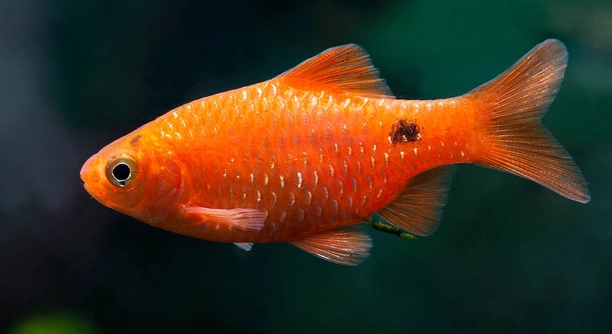
Do you ever find yourself watching your rosy barbs swim and wondering if something about their behavior feels just a little different lately? Maybe they’re schooling tighter or showing more flashes of color than usual.
Subtle mood shifts in rosy barb schools are typically linked to environmental changes, social dynamics, and breeding behavior. These small but important changes can indicate stress, excitement, or a shift in group hierarchy within the aquarium setting.
Understanding these subtle signals can help you care for your fish more effectively and notice early signs of stress or illness.
Changes in Swimming Patterns
Rosy barbs often swim in synchronized groups, but subtle mood shifts can cause small changes in how they move together. A tight, fast-moving school may indicate stress, while looser formations can suggest a more relaxed state. Watch for individuals separating slightly or darting unexpectedly—these are usually early signs that something is affecting the group dynamic. Factors such as sudden noise, lighting changes, or the addition of a new fish can all impact behavior. Even a small shift in water parameters might cause tension in the school. When the barbs are content, their swimming looks smooth, balanced, and unified. Movement becomes choppier and more uneven when they feel uneasy. These patterns are easy to miss if you’re not paying close attention, but once you learn what’s normal, differences become more obvious. Subtle changes in swimming are often the first indicators that something needs adjusting in their environment or care routine.
Sudden bursts of speed, hesitation near tank edges, or increased separation between fish can signal rising stress or discomfort in the school.
Observing swimming habits regularly helps you understand your rosy barbs’ usual rhythm. Small changes, like a shift in pace or spacing, often point to mood-related responses triggered by environment or social tension within the group.
Color Intensity and Fluctuations
Changes in coloration are often tied to emotional or physiological shifts in rosy barbs.
Rosy barbs naturally display varying degrees of color, but sudden intensifying or dulling can reflect mood changes. Brighter colors often indicate confidence or readiness to spawn, while paler shades can be signs of stress or submission. Males tend to show deeper reds when feeling dominant or when trying to attract mates. If your fish suddenly look more faded or washed out, it’s worth checking tank conditions such as temperature, pH, and ammonia levels. Stress from overstocking or bullying can also affect coloration. Lighting plays a role too, so changes in exposure can exaggerate or hide these shifts. Color changes may also happen during rest or as they adjust to a new routine, such as feeding time or after a water change. Staying aware of your fish’s normal appearance allows you to notice when these shifts are mood-related rather than natural variation.
Shifts in Feeding Behavior
Rosy barbs usually eat with excitement, but subtle changes in feeding speed or interest can show shifts in mood. Slower responses, increased aggression, or sudden pickiness may signal stress, changes in hierarchy, or mild illness.
A more dominant fish may suddenly begin to push others away from food, while less confident ones might hang back or skip feeding altogether. If your barbs usually eat right away and then start pausing or ignoring food, something may be off in the tank. It could be a slight change in water quality, a new decoration, or even minor aggression from another fish. Pay attention to who eats, how quickly they respond, and any signs of chasing during mealtime. These details help reveal what’s happening beneath the surface. Sometimes, feeding shifts are temporary and harmless, but other times they hint at stress that needs to be addressed quickly to avoid larger health issues.
Feeding time is also when pecking order becomes more visible. Some barbs may develop pushy habits, especially when the tank feels cramped or the food is limited. If you see one or two fish consistently dominating feeding, spreading the food across different spots in the tank can help reduce tension. Smaller portions fed more often can also balance the group dynamic.
Changes in Resting Spots
Barbs tend to rest near plants or calm corners of the tank. If their usual spots suddenly change, it could be linked to stress, insecurity, or social pressure. Subtle avoidance of certain areas can signal discomfort or unwanted tank conditions.
When rosy barbs feel content, they rest near each other in calm, hidden spots, often among plants or decorations. If one fish starts isolating or switching locations frequently, it’s worth paying attention. This behavior can indicate bullying, loud external noise, poor lighting, or water flow that’s too strong. They may also be avoiding an aggressive tankmate or hiding from a new addition. A stressed fish might hover near the surface or hide low near the gravel. In some cases, it’s not one major problem but several small stressors combined. Observing these patterns gives clues about what might be wrong in their space, helping you respond with small, helpful changes to restore calm.
Flicking or Jerky Movements
Quick flicks of the body or sudden, jerky turns can be signs of mild irritation or stress. These shifts are often reactions to water quality changes, such as rising ammonia or sudden temperature drops.
While occasional flicks are normal, repeated or exaggerated movements should not be ignored. They may suggest discomfort from parasites, poor water flow, or overcrowding.
Sudden Shifts in Grouping
Sometimes the school will break apart more often, or fish may begin to pair off instead of moving as one group. This may reflect minor tension, hormonal changes, or slight disruptions in their surroundings. When barbs feel secure, they naturally return to tighter schooling patterns within a short time.
Increased Skittishness
More darting, hiding, or overreactions to motion outside the tank usually point to stress. This behavior can be triggered by loud sounds, fast room movements, or an overly bright tank light.
Why do rosy barbs sometimes swim faster or slower than usual?
Changes in swimming speed often reflect shifts in mood or environment. Faster swimming can mean excitement, stress, or alertness to a perceived threat. Slower swimming usually indicates relaxation, illness, or tiredness. If your rosy barbs swim faster in short bursts, it might be a reaction to sudden noises or movement nearby. However, consistently slow or lethargic swimming could mean water quality issues or health problems. Regular observation helps identify whether these changes are temporary or require attention.
What causes rosy barbs’ colors to fade or brighten suddenly?
Color changes are tied to mood, health, and environment. Bright colors often show confidence or breeding readiness, while dull colors can signal stress or poor water conditions. Lighting also affects how colors appear—strong light can make colors pop, while dim light might dull them. If fading lasts more than a day or two, it’s smart to check water parameters like temperature, pH, and ammonia levels. Stress from overcrowding or bullying also causes fading, so keep an eye on social interactions.
How can I tell if my rosy barbs are stressed or just resting?
Resting barbs usually stay calm, close together, and remain near plants or hiding spots. Stressed barbs often separate from the group, stay near the surface or bottom, and may flick or twitch. Watch for unusual hiding or jerky movements during rest times. Stress may come from poor water quality, aggressive tankmates, or sudden changes in the tank. Ensuring stable conditions and a peaceful environment helps reduce stress.
Why do some rosy barbs become more aggressive during feeding?
Feeding can trigger territorial or dominance behaviors. Some barbs may chase others or push them away to secure food. This behavior is more common in crowded tanks or when food is limited. To reduce aggression, feed smaller portions spread out over several spots. Increasing hiding places and plants can also give less dominant fish safe areas during mealtime.
What should I do if rosy barbs start hiding more often?
Increased hiding usually means discomfort or fear. It could be due to bullying, poor water quality, or new tankmates. Check water parameters and observe interactions. Adding more plants or decorations creates more hiding spots and helps reduce stress. If bullying is severe, separating aggressive fish might be necessary.
Can changes in water temperature affect rosy barb moods?
Yes, rosy barbs are sensitive to temperature shifts. Sudden drops or rises can stress them, causing erratic swimming, color fading, or hiding. Keep the temperature stable between 64°F and 72°F (18°C–22°C) for best results. Use a reliable heater and thermometer to maintain consistency.
How do social dynamics influence rosy barb behavior?
Rosy barbs have a clear social order. Mood shifts often come from changes in hierarchy, such as new fish introductions or dominance struggles. Dominant fish may show brighter colors and more assertive behavior, while submissive ones may hide or lose color. Keeping an appropriately sized school (at least six) reduces aggression and maintains balance.
What signs indicate illness rather than mood shifts?
Illness signs often overlap with mood shifts but tend to last longer or worsen. Look for clamped fins, rapid breathing, loss of appetite, or visible spots and lesions. Sudden lethargy or unusual swimming patterns that don’t improve after a day or two suggest illness. Testing water quality and consulting a vet or aquarium expert can help diagnose and treat problems.
How can I help my rosy barbs adjust to new tank conditions?
Introduce changes slowly to minimize stress. New decorations, plants, or fish should be added one at a time, with plenty of time between. Maintain water parameters and feed consistently during transitions. Observing behavior closely during this period allows early detection of stress, helping you make adjustments before problems grow.
Why do rosy barbs sometimes flick or jerk suddenly?
This behavior often reflects irritation, such as from parasites, poor water flow, or rough tank mates. Flicking or jerking can also be a reaction to sudden noises or disturbances outside the tank. If flicking increases or becomes constant, check water quality, inspect for parasites, and consider if tank conditions need improvement.
How does lighting affect rosy barb behavior and mood?
Lighting influences activity levels and color display. Too bright light may cause stress and hiding, while too dim light can reduce activity and color vibrancy. A balanced light cycle, mimicking natural day and night, helps maintain healthy moods. Using a timer for consistent lighting periods prevents sudden changes that may unsettle the fish.
What are signs that rosy barbs feel secure and comfortable?
When comfortable, rosy barbs swim calmly in a loose, synchronized school, show bright colors, and actively explore their environment. They feed eagerly, rest near each other, and display minimal aggressive behavior. Recognizing these positive signs helps confirm the tank conditions and social setup support their wellbeing.
Understanding the subtle mood shifts in rosy barb schools is important for anyone who keeps these lively fish. These changes often show how your fish are feeling and reacting to their environment. Sometimes the shifts are small, like a change in swimming speed or color intensity, but they still tell a story about the fish’s health and comfort. Paying attention to these little signs helps you keep the tank stable and the fish happy. It also allows you to catch problems early before they become serious.
Many of the mood changes come from the fish responding to things like water quality, tank mates, or changes in their surroundings. For example, a sudden change in water temperature or pH can make rosy barbs swim faster or hide more. Social changes, like adding new fish or shifts in their hierarchy, can also affect how they act and look. When the environment is good and stable, the fish usually show calm, smooth swimming and bright colors. When something is off, their behavior changes in small ways. Learning what is normal for your group helps you notice when something needs attention.
Taking time to observe and understand your rosy barbs’ subtle moods will improve your care for them. It also makes watching them more interesting, as you begin to see how their behavior reflects their feelings and health. Making sure they have a comfortable, stable home with enough space, clean water, and peaceful tankmates reduces stress and keeps them thriving. Small adjustments in feeding, tank setup, or water conditions can make a big difference in how your fish feel. Overall, these subtle mood shifts are a useful guide for better fishkeeping.

Hello,
If you enjoy the content that we create, please consider saying a "Thank You!" by leaving a tip.
Every little bit helps us continue crafting quality advice that supports the health, happiness, and well-being of pets around the world, for pets of all shapes, sizes, and species.
We really appreciate the kindness and support that you show us!