
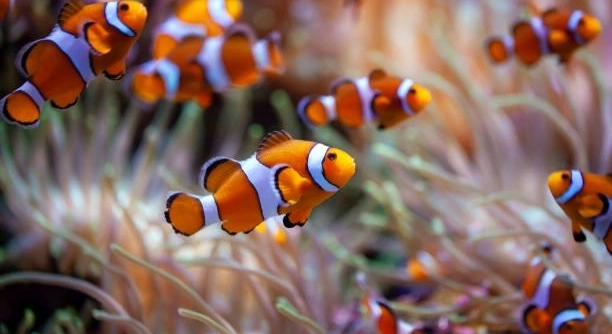
Clownfish are known for their bright colors and lively behavior. Many people enjoy watching their interactions in home aquariums or in nature. However, some of their mood changes can be very subtle and easy to overlook.
Subtle mood shifts in clownfish include changes in swimming patterns, fin positioning, coloration, and social interactions. These signals reflect stress, aggression, or comfort levels and require careful observation to interpret accurately in both natural and captive environments.
Recognizing these small changes can improve how you care for clownfish and deepen your understanding of their behavior. This article highlights seven mood signals often missed by casual observers.
Changes in Swimming Patterns
Clownfish usually swim calmly around their anemone homes, but subtle changes can signal mood shifts. When they start darting quickly or swimming erratically, it may indicate stress or discomfort. Slow or lethargic swimming can show illness or low energy. Sometimes, a fish may stay close to the surface or hide more than usual. These small movements are important clues. If your clownfish suddenly change their swimming style, it’s worth checking their environment for problems like water quality or tankmates. Noticing these differences early helps prevent bigger health issues. Regular observation will train you to spot these subtle signals before they become serious.
Rapid or unusual swimming often signals stress, while slower, cautious movements may indicate illness or tiredness.
Watching how clownfish swim can tell you a lot about their mood. Swimming behavior is a direct response to their environment and well-being. If you see them darting around frantically, it might be because they feel threatened or uncomfortable. On the other hand, slow, deliberate swimming or hiding often means they aren’t feeling well or are stressed. Tank conditions like water temperature, cleanliness, and other fish can affect their swimming. Adjusting these factors when you notice a change can improve their mood and health. Being attentive to these patterns makes a big difference in caring for your clownfish.
Fin Position and Movement
Fin position is a subtle mood indicator in clownfish. When their fins are held tightly against their body, it may mean the fish is scared or stressed. Open, relaxed fins usually show calmness and comfort. Sometimes, they may flare their fins as a sign of aggression or dominance. Noticing how fins move during social interactions gives insight into their mood. Changes in fin condition, such as damage or clamping, also indicate stress or health issues.
Fin position reveals mood; tight fins suggest stress, while relaxed fins show calm or contentment.
Observing fins helps understand the fish’s feelings. Clownfish use fin displays in communication, especially during social encounters. For example, a dominant fish might flare fins to intimidate others. If you see fins held close, the fish may feel threatened or unwell. Damage or torn fins are signs to check water quality or for aggressive tankmates. Proper care and an environment that suits their needs will keep their fins healthy and their mood stable. Being aware of fin position adds another layer to understanding your clownfish’s subtle mood changes.
Color Changes
Color changes in clownfish can be subtle but meaningful. A dull or faded color often signals stress or poor health, while bright, vibrant colors usually indicate a happy and healthy fish. Sudden color shifts may also reflect mood swings or environmental changes.
When a clownfish’s color fades, it often means it is under stress from factors like poor water quality, illness, or aggressive tankmates. Dull colors may also occur if the fish is not eating well or is hiding too much. Conversely, brightening of colors can happen when the fish feels secure and comfortable in its environment. Paying attention to these small shifts can help you catch problems early and improve the fish’s care.
Color changes can also serve as a warning. Some clownfish may darken or develop stripes when feeling threatened or ready to defend their territory. Recognizing these signs helps to maintain a peaceful tank and ensures the fish’s well-being.
Social Behavior Shifts
Social interactions between clownfish often reveal mood changes. Withdrawal or hiding indicates discomfort or stress, while active engagement shows contentment. Aggressive displays, such as chasing or biting, suggest dominance struggles or irritation.
Changes in social behavior may result from overcrowding, incompatible tankmates, or environmental stressors. Withdrawal can lead to isolation and impact the fish’s health if prolonged. Conversely, too much aggression can cause injury or ongoing stress. Balancing the tank environment and monitoring interactions helps keep the fish healthy and calm. Sometimes, rearranging tank decor or adding hiding spots can reduce tension. Understanding social shifts is key to managing clownfish behavior effectively.
Changes in Eating Habits
A sudden change in eating habits often signals a mood or health issue. If a clownfish stops eating or becomes picky, it may be stressed or ill.
Decreased appetite can be caused by poor water conditions, illness, or discomfort in the tank. Monitoring feeding behavior closely helps catch problems early and ensures proper nutrition.
Increased Hiding
Clownfish hiding more than usual usually means they feel threatened or stressed. This behavior helps them avoid conflict but can also indicate poor health.
Extended hiding reduces activity and feeding, which may worsen their condition. Ensuring a calm environment with plenty of shelter can help reduce hiding and improve their mood.
Changes in Vocalization
Clownfish produce sounds that reflect their mood, especially during social interactions. Increased clicking or popping often signals aggression or stress, while silence usually shows calmness.
Recognizing these sound changes helps understand their emotional state and manage tank conditions to reduce stress and maintain harmony.
What causes subtle mood changes in clownfish?
Subtle mood changes in clownfish are usually caused by their environment and social interactions. Factors like water quality, tank size, temperature, and the presence of other fish influence their mood. Stress from overcrowding, poor diet, or aggressive tankmates also leads to changes in behavior and appearance. These shifts help the fish communicate discomfort or health issues.
How can I tell if my clownfish is stressed?
Signs of stress include unusual swimming patterns, faded colors, clamped fins, hiding more often, and reduced appetite. Aggressive or withdrawn behavior can also indicate stress. Watching these behaviors regularly can help detect early signs, allowing timely adjustments to improve their environment or care.
Are color changes normal in clownfish?
Yes, color changes can be normal, but they often reflect mood or health status. Bright, vibrant colors generally mean the fish is healthy and comfortable. Dull or faded colors usually point to stress, illness, or poor water conditions. Sudden darkening may signal aggression or territorial disputes.
Why does my clownfish hide so much?
Clownfish hide to feel safe when stressed or threatened. This can be due to aggressive tankmates, changes in environment, or poor water quality. Prolonged hiding may indicate illness or discomfort. Providing plenty of hiding spots and maintaining stable tank conditions can reduce this behavior.
What does fin clamping mean?
Fin clamping, where fins are held close to the body, usually means the fish is stressed or sick. It can also be a reaction to poor water conditions or aggressive neighbors. If fins remain clamped for long periods, it’s important to check water parameters and observe for other signs of illness.
Can changes in eating habits show mood shifts?
Absolutely. Loss of appetite or selective eating often reflects stress, illness, or changes in tank conditions. Healthy clownfish typically eat regularly and eagerly. If you notice decreased interest in food, it’s important to check the tank environment and consider health factors.
How do clownfish communicate mood through social behavior?
Clownfish use social cues like chasing, fin displays, and body postures to express mood. Aggression is shown by flaring fins or chasing others. Withdrawal and hiding suggest stress or submission. These interactions help establish hierarchy and keep the group balanced.
What role do sounds play in clownfish mood?
Clownfish produce clicking or popping sounds mainly during social or aggressive interactions. Increased vocalization often indicates agitation or territorial behavior. A quiet fish is usually calm and comfortable. Listening for these sounds can give clues about their emotional state.
Can tank setup affect clownfish mood?
Yes, tank setup greatly affects clownfish mood. Proper space, hiding spots, and compatible tankmates reduce stress. Clean water and stable temperature are essential. Poor setup can cause mood swings, stress, and illness. Regular maintenance and careful planning support healthier behavior.
How often should I observe my clownfish for mood changes?
Daily observation is best. Even brief daily checks help you notice subtle changes early. Consistent monitoring of behavior, swimming, color, and appetite can prevent many health issues. Familiarity with your fish’s normal behavior makes spotting problems easier.
What should I do if I notice a mood change?
First, check water quality and tank conditions. Ensure proper temperature, pH, and cleanliness. Observe interactions with other fish to rule out bullying. If issues persist, consider consulting a vet or experienced aquarist. Early action improves recovery chances.
Are mood changes reversible in clownfish?
Most mood changes are reversible if causes are addressed quickly. Improving water quality, adjusting tankmates, and providing proper care usually restore normal behavior. Chronic stress or illness may take longer, but timely intervention is key.
Do clownfish show mood changes differently when wild versus in captivity?
Wild clownfish have more space and natural shelter, so mood changes may be less noticeable or different. In captivity, limited space and artificial environments can amplify stress signals. Understanding both settings helps provide better care for captive fish.
Can diet influence clownfish mood?
Yes, a balanced diet supports health and mood stability. Poor nutrition can lead to lethargy, color fading, and stress. Feeding varied, high-quality foods improves energy levels and behavior. Monitor feeding habits to ensure dietary needs are met.
Is it normal for clownfish to change mood frequently?
Frequent mood changes can occur due to environmental shifts or social dynamics. However, constant stress or aggressive behavior indicates problems in the tank. Stable conditions help minimize mood swings and promote calmness.
How does water quality specifically impact mood?
Poor water quality causes stress by irritating gills, reducing oxygen, and encouraging disease. High ammonia, nitrite, or nitrate levels directly affect mood and behavior. Regular water testing and changes keep the environment safe and the fish relaxed.
What signs show a clownfish is comfortable and happy?
Comfortable clownfish swim steadily, display bright colors, interact positively, and eat well. Their fins stay relaxed, and they explore the tank confidently. These behaviors show they feel safe and healthy.
Can adding new tankmates affect clownfish mood?
Yes, introducing new fish can cause stress or aggression until hierarchies form. Newcomers may upset established relationships. Proper quarantine and gradual introductions help reduce negative mood changes.
How does lighting influence clownfish mood?
Lighting affects activity and mood. Too bright lighting may stress the fish, while natural or dimmer light helps them feel secure. A balanced light schedule supports natural rhythms and reduces anxiety.
What are signs of aggression in clownfish?
Aggression appears as chasing, nipping, fin flaring, and territorial defense. These actions are normal within limits but become a problem if they cause injury or constant stress. Managing tank population and space prevents excessive aggression.
Final thoughts on understanding clownfish mood changes are important for anyone keeping these fish in an aquarium. Clownfish show many subtle signs that reveal how they feel, from changes in swimming and fin positions to color shifts and social behavior. These small signals can often go unnoticed but carry valuable information about the fish’s health and well-being. Paying attention to these details helps ensure a better environment for the clownfish and can prevent problems before they become serious.
Taking time to observe your clownfish regularly is one of the best ways to stay in tune with their mood. Noticing changes in eating habits, hiding, or vocalizations can provide early warnings about stress or illness. Often, mood changes are caused by environmental factors like water quality, tank setup, or interactions with other fish. Making adjustments to these conditions when problems arise will improve the fish’s mood and health. It is important to remember that clownfish, like many animals, rely on their surroundings to feel safe and comfortable.
Understanding these subtle mood changes allows you to provide better care and improve your fish’s quality of life. Simple steps such as maintaining clean water, offering enough space and hiding spots, and providing a balanced diet contribute to happier clownfish. Being aware of how your fish communicate through behavior and appearance makes the experience more rewarding. Watching for these mood signals and responding appropriately supports the long-term health and harmony of your aquarium.

Hello,
If you enjoy the content that we create, please consider saying a "Thank You!" by leaving a tip.
Every little bit helps us continue crafting quality advice that supports the health, happiness, and well-being of pets around the world, for pets of all shapes, sizes, and species.
We really appreciate the kindness and support that you show us!