
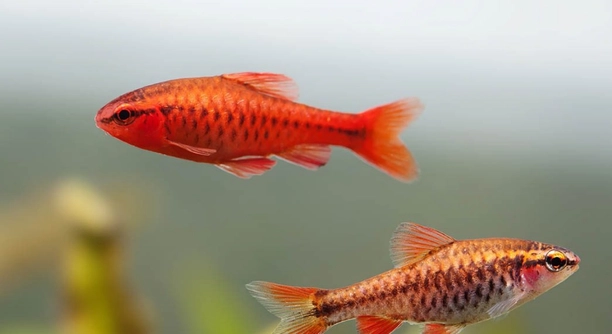
Cherry barbs are fascinating little fish, often admired for their vibrant colors and unique behaviors. Their mating rituals are subtle yet intriguing, revealing a complex world beneath the surface of your aquarium.
Cherry barbs exhibit a series of courtship behaviors during mating, which include color changes, chasing, and fin displays. The males typically engage in these rituals to attract the attention of females, signaling readiness for reproduction.
Understanding these delicate behaviors can help you observe and even encourage breeding in your own tank. Let’s take a closer look at these subtle rituals.
The Role of Color in Courtship
Color plays a significant part in cherry barb mating. Male cherry barbs display brighter, more intense colors during courtship, especially when trying to attract a female. This transformation can be quite dramatic, with males becoming vibrant red and orange. The color shift signals to females that the male is healthy, strong, and ready to mate. Females typically prefer males with the brightest colors as they are often associated with good genetics and fitness. It’s a natural display of attraction, showing that the male is not only visually appealing but also capable of surviving and thriving in the tank environment.
The males will usually engage in this colorful display by swimming close to the females. This behavior creates an environment where the males can show off their vibrant colors and physical fitness. As a result, the more intense the colors, the higher the chances of attracting a mate.
For tank owners, it’s important to maintain optimal water conditions to encourage the males to display their full range of colors. Healthy, clean water can promote these vibrant colors, making courtship rituals more noticeable. A balanced diet with plenty of nutrients, such as high-quality flakes and occasional live food, can also help enhance the natural coloration of the males. By supporting the fish’s health and environment, you’ll likely see more prominent mating displays, leading to successful breeding.
The Importance of Swimming Patterns
Mating behavior in cherry barbs isn’t only about color. Swimming patterns also play a role in their courtship. Males often engage in rapid swimming movements, darting around the females to get their attention. These movements are intended to show off their strength and agility, signaling to the female that they are a capable mate.
Cherry barbs, like many fish, communicate through movement. Males will often swim in circles or zigzag patterns around the females. This behavior is designed to demonstrate their stamina and swimming skills, which are crucial in the wild for escaping predators and navigating their habitat. When a male shows off his skillful movements, it creates an impression of health and vitality, which makes him more appealing to potential mates.
Chasing Behavior
During the mating season, chasing becomes a key component of cherry barb courtship. Males chase females around the tank, often in a fast and erratic manner. This behavior is meant to show off their speed and stamina, which are important factors in securing a mate.
As the chase intensifies, the male will try to stay close to the female, constantly trying to outpace her. The female may swim away to test the male’s endurance, with the male following. This process ensures that the male is capable of keeping up, which is vital for the survival of potential offspring. The chase can last anywhere from a few seconds to several minutes, depending on the female’s responsiveness.
Chasing is not just a playful activity; it serves as a selection process. The female will evaluate the male’s ability to maintain the chase and his overall fitness. If the male struggles or tires too quickly, the female may lose interest, choosing another male who exhibits more stamina. This behavior ensures that the strongest, most capable males are the ones that mate, increasing the likelihood of strong, healthy offspring.
Fin Displays
Male cherry barbs also engage in fin displays during mating rituals. These displays are an important visual signal to the female, showcasing the male’s physical fitness. The males will extend their fins fully to appear larger and more attractive. The more impressive the fin display, the higher the chance of capturing a female’s attention.
The fin spread is not just for display but serves as a way for males to communicate their readiness and strength. The larger and more vibrant the fins, the more appealing the male becomes. Females often respond by swimming closer to the male, indicating their interest. However, the male’s display can become more intense if the female doesn’t immediately respond. He may swim in circles or even dart toward her, attempting to draw her attention further.
The fin display is crucial for signaling that the male is in peak physical condition. As cherry barbs are relatively small, this visual signal can make a big difference in attracting a mate. Females are more likely to choose males with prominent fin displays, which is why males invest a great deal of energy in making them as eye-catching as possible.
Male Territory Defense
Male cherry barbs often defend specific areas of the tank during mating. These territories are marked with rapid swimming or fin displays. The male establishes dominance by chasing off other males from the area, signaling his readiness to mate.
Once a male claims his territory, he will make it clear that this space is meant for courtship. He may block other males from approaching, engaging in intense swimming patterns to chase them away. This behavior ensures that the female will have fewer distractions and can focus on the male’s courtship display.
By defending a territory, the male is showing that he is capable of protecting potential offspring. A male with a defended territory is often viewed as more capable and strong, traits that appeal to females looking for a reliable mate. The territorial display is a strong indicator of the male’s fitness.
Female Evaluation
Female cherry barbs play an important role in the selection process. While the males initiate courtship, females are the ones who ultimately decide which male they will mate with. They observe the males’ behaviors and physical displays closely before making their choice.
Females will assess various aspects of the male, including his colors, fin displays, stamina, and ability to maintain the chase. They will also watch for signs of territorial behavior, as a male who can successfully defend a space is seen as a strong potential mate. The female’s decision is based on these evaluations, ensuring that only the most capable males are selected for mating.
Courtship as a Sign of Health
Courtship rituals in cherry barbs are a clear indicator of a fish’s overall health. Males displaying bright colors, stamina, and effective fin displays are often the ones that are healthiest. This behavior signals to the female that the male has good genes and is likely to produce strong offspring.
When males participate in courtship activities like chasing and fin spreading, they are not just trying to attract the attention of the female. They are showcasing their physical condition and genetic fitness. Females instinctively choose males who are in peak condition, as these males are more likely to pass on their healthy traits.
FAQ
What are the signs that a cherry barb is ready to mate?
Cherry barbs show several signs when they are ready to mate. Male cherry barbs often display brighter, more vivid colors. They may start to chase females, swim erratically, and display their fins. These behaviors indicate that the male is trying to attract a female’s attention and demonstrate his fitness. Females may also show interest by swimming closer to the males during these displays.
How can I tell if my cherry barbs are engaging in courtship?
Courtship in cherry barbs can be identified by specific behaviors. Males will swim in rapid, zigzag patterns or circles around the females. The males may also extend their fins to appear larger and more colorful, and they will often chase the females around the tank. If the female shows interest, she will swim closely to the male, signaling a readiness to mate.
Why do male cherry barbs chase females?
Male cherry barbs chase females to show their strength and stamina. This behavior is part of their courtship ritual, where the males try to impress the females by demonstrating their ability to keep up in fast, erratic movements. The chase helps the female evaluate the male’s fitness and overall health.
How does the color of cherry barbs affect their mating behavior?
Color plays a significant role in cherry barb mating. Males become brighter and more colorful when they are ready to mate. The vibrant colors are used to attract females, signaling that the male is healthy and capable of reproducing. Females are more likely to choose males with the most vivid colors, as they are associated with good genetics.
What is the role of territory in cherry barb mating?
Males often defend territories during mating, using them as spaces to court females. A male will chase off other males from his territory, signaling to females that he is a strong and capable mate. Defending a territory shows that the male is ready to protect potential offspring, which makes him a more attractive choice for females.
Do cherry barbs mate for life?
No, cherry barbs do not mate for life. They engage in mating during the breeding season, and the males will court multiple females over time. Once the breeding period is over, the males and females may not interact much. Cherry barbs are not monogamous and do not form long-term pair bonds.
How can I encourage cherry barbs to breed?
To encourage cherry barbs to breed, you should provide them with optimal water conditions. Keeping the water temperature between 75°F and 80°F (24°C to 27°C) can help trigger breeding behaviors. Maintaining water quality with regular changes and providing a balanced diet, including live or frozen foods, can also stimulate mating.
Can cherry barbs breed in a community tank?
Yes, cherry barbs can breed in a community tank, but it may be more challenging. Mating success can be influenced by the presence of other fish, which may interfere with the courtship or egg-laying process. To increase the chances of breeding, it’s best to provide plenty of hiding spots for the females and a separate breeding area if possible.
What should I do if my cherry barbs are not mating?
If your cherry barbs are not mating, the first step is to check the water quality. Poor water conditions can prevent breeding. Make sure the temperature is within the ideal range and that the tank is clean. Also, ensure that the fish are well-fed, and consider adding a few more females to balance the male-to-female ratio. Lastly, give them time; sometimes, fish just need the right conditions to trigger their breeding behavior.
Do cherry barbs lay eggs, and how do they reproduce?
Yes, cherry barbs lay eggs. The females release eggs into the water, which are then fertilized by the male. After fertilization, the eggs are left to hatch on their own. Cherry barbs are egg scatterers, meaning they do not guard their eggs. The eggs will hatch in about 24 to 48 hours, depending on the water temperature.
How long does it take for cherry barb eggs to hatch?
Cherry barb eggs typically hatch within 24 to 48 hours, depending on the water temperature. Warmer water speeds up the hatching process, while cooler water may delay it. After the eggs hatch, the fry are small and fragile, requiring careful attention and proper food to grow.
Do cherry barbs take care of their offspring?
No, cherry barbs do not care for their offspring. Once the eggs are fertilized, the parents do not guard them. After the fry hatch, they are left to fend for themselves. It’s essential to provide the fry with appropriate food and protection from other fish that may see them as a snack.
How many eggs do cherry barbs lay at once?
Cherry barbs can lay up to 100 eggs at once. The female will scatter them across the substrate, plants, or other surfaces in the tank. After fertilization by the male, the eggs are left to develop and hatch on their own. However, the number of eggs can vary depending on the female’s size and condition.
Final Thoughts
Cherry barbs are fascinating little fish with intriguing courtship rituals that make them a joy to observe in any aquarium. Their bright colors, fast swimming patterns, and unique mating behaviors are all part of what makes them so special. The males, especially, go to great lengths to attract females, using everything from vibrant colors to intricate fin displays. These rituals are a natural part of their process of reproduction, ensuring that only the healthiest and most capable fish are chosen as mates. The careful balance of water conditions, diet, and tank setup all play a role in encouraging these behaviors and ultimately fostering successful breeding.
When keeping cherry barbs in a community tank, it’s essential to provide them with a suitable environment to thrive. While they are peaceful and relatively easy to care for, ensuring they have the right water parameters and enough space to exhibit their courtship displays can help bring out their best. Additionally, understanding their breeding behaviors—like their territorial tendencies and preference for bright colors—can make a big difference in how successful breeding efforts are. By paying attention to their needs, you can enjoy watching these lovely fish go through their natural mating rituals, which can be a rewarding experience for any aquarium owner.
Ultimately, cherry barbs are a great addition to any freshwater aquarium. Their subtle yet fascinating mating rituals provide a deeper understanding of fish behavior. These small but vibrant fish offer more than just color to a tank; they bring a sense of natural beauty and life that can be truly captivating. Whether you’re aiming to breed them or simply enjoy their graceful movements, understanding their mating rituals allows you to appreciate them in a more profound way.

Hello,
If you enjoy the content that we create, please consider saying a "Thank You!" by leaving a tip.
Every little bit helps us continue crafting quality advice that supports the health, happiness, and well-being of pets around the world, for pets of all shapes, sizes, and species.
We really appreciate the kindness and support that you show us!