
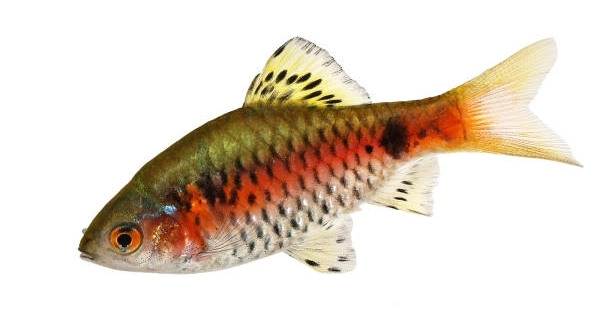
Many aquarium owners enjoy keeping rosy barbs for their lively colors and active nature. These fish often thrive in groups, showing social behaviors that can affect their well-being. Recognizing when a rosy barb misses a tankmate can improve its care.
Rosy barbs display subtle signs of social stress when isolated from companions. Changes in activity, appetite, and interaction levels indicate they may be experiencing loneliness or discomfort due to the absence of a tankmate.
Noticing these small signals can help maintain a healthier, happier environment for your fish. Paying attention to their behavior ensures their social needs are met.
Changes in Swimming Patterns
When a rosy barb misses its tankmate, its swimming behavior often shifts noticeably. Normally active and social, these fish may begin to swim less or stay hidden in one area of the tank. You might see them linger near the bottom or corners, away from open water. In some cases, they swim erratically or appear restless, as if searching for company. These changes are a response to stress and loneliness. A fish accustomed to the presence of companions may lose interest in exploring or feeding when left alone. Observing these shifts early can help prevent long-term health issues. Adjusting their environment by adding tankmates or improving tank conditions can bring back their usual lively swimming habits.
Reduced swimming activity or increased hiding indicates social discomfort in rosy barbs, suggesting they may be missing companions.
Watching your rosy barb’s swimming patterns gives insight into its well-being. Ensuring proper social interaction helps maintain its natural behavior and vitality, improving overall tank harmony and fish health.
Decreased Appetite and Feeding Behavior
A loss of appetite is a clear sign that your rosy barb may be feeling lonely. Without the stimulation and comfort of a tankmate, the fish can become less interested in food. This can lead to weight loss and weakened immunity over time. Feeding times might become less consistent, with the fish eating less or ignoring food completely. This behavioral change often goes unnoticed at first because it can be subtle. Ensuring your fish is eating well is important for its health. Providing a companion encourages normal feeding behavior, as rosy barbs are naturally more active and eat better in groups. Observing feeding habits helps detect early signs of social stress before more serious problems arise. Adjustments in social environment often restore appetite and promote healthy growth.
Increased Hiding Behavior
Rosy barbs that miss tankmates often spend more time hiding. This behavior reflects stress or discomfort.
Hiding more than usual is a common sign that a rosy barb is feeling uneasy. Without companions, they might retreat to decorations, plants, or tank corners, avoiding open areas. This isolation can be a way to cope with loneliness or fear. It is important to watch for this change because prolonged hiding can affect their health and social skills. Adding compatible tankmates or enriching the environment can help reduce hiding and encourage natural behavior.
A tank that feels empty or lacks stimulation can worsen hiding tendencies. Providing proper companions and a well-decorated space helps rosy barbs feel secure. When they come out more often, it signals improved comfort and social satisfaction.
Changes in Coloration
Rosy barbs missing companions may show duller or less vibrant colors. This color fading results from stress or poor health.
Color changes happen because stress affects the fish’s physiology. Without social interaction, rosy barbs might lose some of their bright hues. This subtle shift is often one of the earliest signs that a fish is unhappy. Restoring social groups usually helps colors return to normal. Nutritional factors and water quality can also influence coloration, but loneliness is a common cause when no other issues are present. Monitoring color alongside behavior offers a fuller picture of your fish’s condition. Proper care and companionship promote vibrant colors and overall well-being.
Lack of Interaction
Rosy barbs missing tankmates show less interest in their surroundings. They become less responsive to movement or activity outside the tank.
This lack of interaction often signals boredom or loneliness. Without companions, they lose motivation to explore or engage, which can lead to dull behavior and stress over time.
Frequent Resting
Rosy barbs missing companions tend to rest more often, spending time motionless in one spot. This may indicate low energy or stress.
Changes in Breathing Rate
Increased or irregular breathing can signal stress in rosy barbs. Missing social interaction may cause this symptom due to anxiety or poor health. Monitoring breathing helps detect early distress.
How many tankmates does a rosy barb need?
Rosy barbs are schooling fish that naturally prefer being in groups. A minimum of five is generally recommended to keep them comfortable and socially fulfilled. Smaller groups can lead to stress and changes in behavior, such as hiding or reduced activity. Keeping a group helps them feel secure and allows natural interactions that reduce loneliness and promote health.
What are the best tankmates for rosy barbs?
Compatible tankmates for rosy barbs are usually other peaceful, medium-sized fish that thrive in similar water conditions. Good options include danios, mollies, and certain tetras. Avoid aggressive or very small fish that could be bullied or eaten. A well-chosen community tank keeps stress low and encourages natural behaviors in all fish.
Can a rosy barb live alone?
While it is possible, living alone is not ideal for rosy barbs. They are social creatures, and isolation can cause signs of stress and poor health. An alone fish may show changes like decreased appetite, dull coloration, and hiding more often. Adding tankmates improves their well-being significantly.
How quickly do rosy barbs show signs of missing tankmates?
Behavioral changes can appear within days to weeks after separation from companions. Some signs, like reduced swimming or hiding, may be visible quickly, while others like color fading develop more slowly. Monitoring your fish regularly helps catch these early changes and respond before health worsens.
What should I do if my rosy barb shows signs of loneliness?
The first step is to add compatible tankmates to re-establish a social group. Also, ensure the tank environment is enriching with plants, hiding spots, and enough space. Keep water quality high and maintain a consistent feeding routine. These steps help reduce stress and restore normal behavior.
Can environmental factors mimic loneliness in rosy barbs?
Yes, poor water quality, inappropriate temperature, or lack of stimulation can cause similar symptoms to social stress. If your fish shows signs of missing tankmates, also check water parameters, lighting, and diet. Sometimes improving these factors can reduce stress even if companions are temporarily absent.
How do I introduce new tankmates to a rosy barb?
Introduce new fish gradually to avoid aggression or stress. Use a quarantine tank first if possible, and rearrange the main tank’s decorations before adding newcomers. This disrupts territorial behavior and encourages acceptance. Watch all fish closely for the first few days to ensure peaceful interaction.
Are there any risks to adding too many rosy barbs?
Overcrowding can cause stress, poor water quality, and aggression. The tank size must support the number of fish. A general rule is one inch of fish per gallon, but rosy barbs are active swimmers and need more space. Providing a suitable environment prevents problems and keeps your fish healthy.
Do rosy barbs need a specific diet to stay healthy?
Rosy barbs thrive on a balanced diet of high-quality flakes, pellets, and occasional live or frozen foods like brine shrimp. Proper nutrition supports their immune system and coloration. Feeding small amounts two to three times a day prevents overfeeding and keeps water quality stable.
Can adding plants or decorations reduce loneliness in rosy barbs?
While plants and decorations provide hiding spots and stimulation, they cannot replace the social needs of rosy barbs. These environmental enrichments improve comfort but should be paired with appropriate tankmates to fully address loneliness and stress. A combination of social and physical enrichment works best.
How do I know if my rosy barb is stressed besides missing tankmates?
Signs of stress include rapid breathing, clamped fins, erratic swimming, and loss of appetite. Stress can result from water issues, illness, or bullying. Observing behavior closely and maintaining good tank conditions help prevent stress and keep your rosy barbs thriving.
The well-being of rosy barbs depends largely on their social environment. These fish naturally live in groups, and isolation can cause noticeable changes in their behavior and health. When a rosy barb misses a tankmate, it may become less active, hide more often, or show a loss of appetite. These signs are subtle but important to recognize. Addressing social needs early can prevent stress and improve the fish’s overall condition. Keeping rosy barbs in groups helps them stay lively and healthy, reflecting their natural habits.
In addition to social companionship, maintaining a suitable tank environment is essential. Proper water quality, temperature, and nutrition support the fish’s health and vibrant coloration. Adding plants, hiding places, and adequate swimming space also contributes to reducing stress and promoting natural behaviors. However, physical enrichment alone cannot replace the benefits of having tankmates. Rosy barbs thrive best when they have companions with whom they can interact regularly. Observing changes in swimming patterns, feeding habits, and coloration helps gauge how well the fish is adapting.
Understanding the subtle signs that a rosy barb misses a tankmate is key to providing the best care. Responding to these signs by adding compatible companions or improving tank conditions can restore balance and happiness. It is important to monitor your fish regularly and act promptly to meet their social and environmental needs. Doing so ensures that your rosy barbs live a healthy, active life, showing their natural colors and behaviors in the aquarium.

Hello,
If you enjoy the content that we create, please consider saying a "Thank You!" by leaving a tip.
Every little bit helps us continue crafting quality advice that supports the health, happiness, and well-being of pets around the world, for pets of all shapes, sizes, and species.
We really appreciate the kindness and support that you show us!