
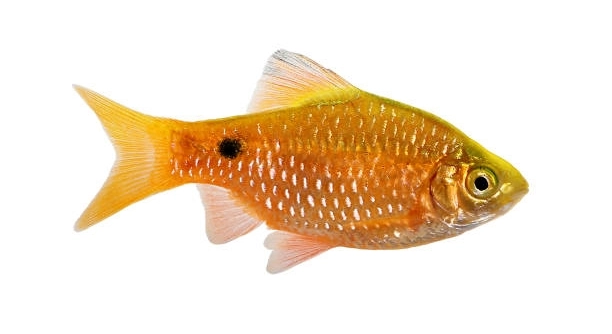
Have you ever watched your fish glide through the water and wondered what their small, flickering fin movements really mean? These subtle signs may be telling you more than you think.
Fin movements in fish can signal stress, excitement, dominance, or contentment depending on their speed, direction, and rhythm. Understanding these patterns allows fish owners to interpret mood shifts early and adjust the environment accordingly.
Each motion holds meaning, and recognizing them can strengthen your bond and improve your fish’s overall well-being and care.
Flicking Fins in Short Bursts
Flicking fins quickly and in short bursts often indicates agitation or stress. This can be caused by sudden changes in the tank such as water temperature, lighting, or the introduction of a new fish. It’s important to observe when this starts and if it continues throughout the day. Look at other signs too, like darting or hiding, which might confirm discomfort. Ensuring the water is clean and balanced can ease these reactions. Some fish also flick when annoyed by tank mates, especially in crowded environments. If left unaddressed, chronic stress can impact their immune system and lead to health issues.
This movement might last only seconds, but it’s a subtle warning that something isn’t quite right.
Fish use these rapid flicks as a way of expressing discomfort without becoming aggressive. They’re trying to signal their surroundings are overwhelming or irritating. Monitoring tank stability and keeping routines consistent can prevent repeated stress.
Slow Waving of Pectoral Fins
Slow pectoral fin waves often mean the fish feels relaxed and secure.
When a fish calmly waves its pectoral fins, it usually signals contentment. This motion is smooth, rhythmic, and often paired with steady swimming or resting. It’s common to see this when fish feel safe and undisturbed. If your fish often moves like this, it likely feels settled in its environment. Unlike erratic fin flicks or fast darting, this is a good sign. It means your tank setup is working well—lighting, water conditions, and tank mates are likely suitable. If your fish pauses and calmly fans its fins, especially while resting, you’re seeing a sign of calm behavior. Maintaining a routine, stable parameters, and quiet surroundings encourages more of this peaceful motion. Observing these natural patterns helps you recognize when your fish feels comfortable, and more importantly, when something shifts. It’s a helpful baseline that lets you respond early to changes in behavior or health.
Rapid Tail Shakes with Sudden Stops
Rapid tail shaking followed by stillness often signals tension or alertness. This can happen when a fish feels threatened or is assessing its surroundings. It’s a short, sharp motion that may repeat in certain tank areas or near specific fish.
This behavior usually appears when a fish is testing boundaries or unsure of a situation. It may be reacting to another fish’s presence or sensing changes in the water. Tail shaking can also be territorial—especially in smaller tanks with limited space. If a fish performs this motion repeatedly in one area, it might be establishing its zone. Sometimes it’s part of a defensive response when another fish invades personal space. Watching this helps identify whether tank dynamics are balanced or tense. Fish might not be fighting yet, but movements like these signal possible future problems if nothing changes. It’s helpful to take note and, if needed, rearrange the tank slightly.
This behavior isn’t always negative—it can also appear during moments of alert curiosity. Fish sometimes react this way to outside movements or reflections. If the motion is short-lived and not followed by signs of stress, it may simply reflect temporary alertness. Just be sure to rule out water quality or environmental causes first.
Fins Held Tight Against the Body
Fins clamped tightly against the body are often an early sign of illness or discomfort. Fish showing this behavior may also become less active or hide more often. It’s a posture that signals low energy, stress, or internal imbalance.
When fins are held in this position, it usually means the fish is trying to conserve energy or feels physically unwell. This may result from water issues like low oxygen, poor filtration, or imbalanced pH. It can also appear when the fish is reacting to infection, parasites, or injury. Some fish hide when unwell, while others remain still in open areas. The key is watching how long the posture continues and whether eating or social behavior has changed. When combined with signs like gasping at the surface, faded color, or loss of appetite, fin clamping becomes a clear sign to check tank health. Acting early can prevent more serious problems from developing.
Gentle Fin Quivers Near Other Fish
Small, repeated fin quivers near another fish can signal courtship or interest. It’s often a calm, non-aggressive motion that shows the fish is engaged and paying attention. This usually happens during mating or when establishing peaceful social bonds.
These gentle movements are especially common in species with defined breeding behaviors. If other signs of stress aren’t present, it’s generally a positive signal. Watch for changes in patterns to understand if the interest continues, fades, or escalates to chasing or aggression later.
Extended Fin Displays During Confrontations
When a fish flares its fins outward and holds them wide, it’s often trying to appear larger and more dominant. This behavior is usually shown toward another fish, often during territory disputes or challenges. It may not lead to fighting, but it’s a warning posture. Watch for repeated displays or chasing.
Quick, Jerky Fin Twitches
Sudden, jerky twitches in the fins may point to skin irritation or parasites. This is different from regular swimming—it’s abrupt and uneven. If it happens often, check water quality and look for other signs like rubbing against surfaces or loss of appetite.
How can I tell if my fish is stressed from fin movements?
Stress in fish often shows through rapid, irregular fin flicks and clamped fins held close to the body. You might also see the fish hiding more or swimming erratically. Stress-related fin movements tend to be quick, repeated, and accompanied by other signs like loss of appetite or pale coloring.
What does it mean when my fish fans its fins slowly?
Slow, rhythmic fin waving usually means the fish is calm and relaxed. It’s a sign your fish feels safe in its environment. You might see this when the fish is resting or swimming gently. It’s a good indicator that water conditions and tankmates are suitable.
Why does my fish shake its tail rapidly and then stop suddenly?
Rapid tail shakes followed by stillness often signal alertness or territorial behavior. The fish could be assessing something new or feeling uncertain. It’s a brief warning gesture rather than outright aggression, and repeated shaking may suggest tension in the tank.
Is fin clamping always a sign of illness?
Fin clamping is commonly linked to discomfort or illness, but it can also indicate poor water quality or stress. If your fish holds its fins tightly for a long time, especially with other symptoms like lethargy or hiding, it’s important to test water parameters and consider possible diseases.
What should I do if I notice quick, jerky fin twitches?
Jerky fin twitches can be caused by irritation or parasites. Check for water quality problems and observe if the fish rubs against surfaces. If twitches persist, a closer look for external parasites or infections is needed, and treatment may be required.
Do fin movements differ between fish species?
Yes, fin movements vary depending on the species’ natural behavior. Some fish naturally flick or fan their fins more often, while others use fin displays mainly for communication or defense. Understanding your fish’s typical patterns helps interpret their mood correctly.
Can fin movements indicate happiness in fish?
Certain fin behaviors, like slow waving or gentle quivers near tank mates, often indicate contentment or social bonding. These calm motions show the fish feels comfortable and safe. Happy fish generally have smooth, steady fin movements without tension or clamping.
How often should I observe my fish’s fin movements?
Regular observation is key to catching early signs of stress or illness. Watching your fish daily, even briefly, helps you notice changes in fin movements or overall behavior. The sooner you spot unusual patterns, the quicker you can respond to keep your fish healthy.
Can environmental changes affect fin movements?
Yes, sudden changes in lighting, water temperature, or tank setup can cause fish to alter their fin movements. Stressful changes often lead to flicking or clamping, while stable conditions encourage slow, relaxed fin motions. Maintaining consistent tank conditions benefits fin health and fish mood.
What role do fins play in fish communication?
Fins are essential for nonverbal signals among fish. They use fin flicks, waves, and displays to express mood, dominance, readiness to mate, or warning. Paying attention to these subtle signals helps you understand how your fish interacts with its environment and others.
Understanding the subtle movements of your fish’s fins can greatly improve how you care for them. These small signals often tell you about your fish’s mood, health, and comfort in their environment. Paying attention to fin flicks, waves, and posture helps you respond quickly if something feels off. It can be stress, illness, or even happiness. Knowing what to look for creates a closer connection between you and your fish, making tank maintenance more effective. This awareness is a simple step toward ensuring a healthier, more peaceful aquatic home.
It’s important to remember that fin movements don’t always have one clear meaning. Different fish species may show emotions or reactions in unique ways. Environmental factors, like water quality, lighting, and tank mates, also influence how fins move. Observing patterns over time rather than isolated moments helps build a better understanding. For example, flicking fins might mean agitation one day but could signal excitement or playfulness another day. Consistency in your observations allows you to notice changes early and make necessary adjustments before problems worsen.
In the end, your fish’s fin movements are a natural way they communicate without words. By learning to read these signals, you become more attentive to their needs and behaviors. This can improve not only their well-being but also your enjoyment of watching them. Providing a stable, calm environment encourages positive fin activity and happier fish overall. Keeping an eye on these subtle signs makes fish care more rewarding and less stressful. It’s a simple but valuable skill that helps you create a balanced and thriving aquarium.

Hello,
If you enjoy the content that we create, please consider saying a "Thank You!" by leaving a tip.
Every little bit helps us continue crafting quality advice that supports the health, happiness, and well-being of pets around the world, for pets of all shapes, sizes, and species.
We really appreciate the kindness and support that you show us!