
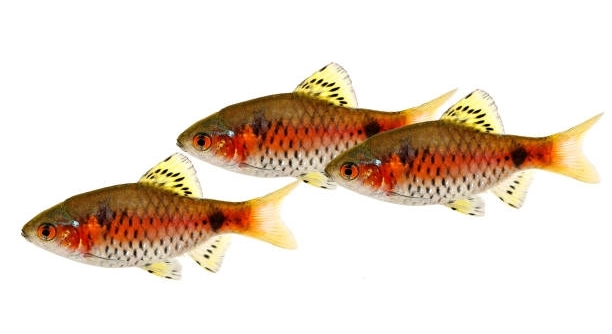
Many aquarium owners enjoy keeping rosy barbs for their vibrant colors and active behavior. These fish often display social dynamics that can be subtle yet important to recognize. Identifying dominance helps maintain a balanced and healthy tank environment.
Rosy barbs show dominance through specific behaviors such as chasing other fish, claiming preferred spots, and displaying brighter coloration. These signs indicate a fish’s position in the social hierarchy, affecting group interactions and overall tank harmony.
Recognizing these subtle clues will help you better understand your rosy barbs’ behavior and manage their environment for a peaceful community. This insight supports healthier, more balanced aquarium life.
Chasing and Territory Marking
Dominant rosy barbs often chase other fish around the tank. This behavior is a clear signal of control over space and resources. They may repeatedly swim after subordinate fish, limiting their access to food or hiding spots. The dominant fish also tends to occupy the preferred areas of the aquarium, such as near the surface or favorite decorations. This territorial behavior helps establish social order and reduces conflict over time. Watching these movements carefully can reveal which fish are setting the tone in the group. It is important to ensure that chasing does not turn into harmful aggression, as that can stress or injure other fish. Providing enough space and hiding places can reduce tension and give less dominant fish a chance to retreat. Regular observation allows you to adjust tank conditions for the wellbeing of all rosy barbs.
Chasing is a frequent way rosy barbs show dominance. It helps them claim and protect key spots in the tank.
Monitoring how much chasing occurs is essential. Too much can harm other fish and disturb the tank’s peace. Providing sufficient hiding spots reduces stress and allows for a better balance between dominant and submissive fish. If chasing becomes aggressive, rearranging decorations or adding plants can give weaker fish refuge and lessen competition. Proper tank size also limits overcrowding, preventing unnecessary disputes. These steps ensure a healthier environment where all rosy barbs can thrive.
Coloration and Display
Dominant rosy barbs often show brighter and more intense colors compared to others.
The intensity of color in rosy barbs serves as a visual sign of dominance. A fish that appears more vibrant is usually healthier and has a stronger position in the social hierarchy. This enhanced coloration can also act as a warning to other fish, signaling that the dominant individual should not be challenged. Males tend to display this trait more prominently, especially during breeding seasons. Maintaining good water quality and proper nutrition supports healthy coloration in all fish. Observing changes in color can provide insight into shifts in dominance or health status. Faded or dull colors may indicate stress or illness, while a sudden increase in brightness can point to a rise in rank. Understanding these signals helps keep the aquarium balanced and allows early detection of possible problems.
Body Language and Fin Position
Dominant rosy barbs often hold their fins erect and spread wide. This posture makes them look larger and more intimidating to others. It is a clear visual cue of their status within the group.
This fin display is common during confrontations or when the fish wants to assert control. The dominant fish may flare its dorsal and anal fins to show strength and readiness. Submissive fish typically keep their fins closer to their bodies to avoid conflict. Watching these subtle movements can reveal shifts in social rank. Fin position also changes when a fish is stressed or sick, so it is helpful to note any unusual behavior. Consistent fin displays help keep peace by signaling dominance without resorting to physical fights.
Fin posture works alongside chasing and coloration to communicate dominance. It serves as a warning and helps avoid unnecessary aggression. Understanding these signs improves your ability to interpret your fish’s interactions.
Eating Behavior and Priority Access
Dominant rosy barbs usually eat first and take the best food pieces. They may rush to the food as soon as it is introduced, pushing others aside. This behavior secures their nutritional needs and reinforces their status.
Priority access to food reflects social ranking and influences health. Fish lower in the hierarchy might eat less or have to settle for smaller food bits. This can affect their growth and color brightness. Feeding smaller portions more frequently can help ensure all fish get enough. Distributing food in different spots of the tank also reduces competition. Observing feeding patterns gives clues about dominance and overall wellbeing. Changes in eating behavior can indicate a shift in social order or possible illness.
Adjusting feeding methods creates a fairer environment and supports weaker fish. Balanced nutrition is key for maintaining harmony in a tank with dominant rosy barbs.
Physical Size and Strength
Dominant rosy barbs tend to be larger and stronger than their tank mates. This size advantage helps them control space and resources more effectively.
Larger fish can intimidate others simply by their presence. They often lead the group and assert authority during interactions.
Changes in Behavior Over Time
Dominance in rosy barbs is not always fixed. Fish may shift ranks as they grow or if a dominant fish weakens. This dynamic helps maintain balance within the group. Watching these changes over weeks reveals the natural social order evolving in your tank.
Interaction with Other Species
Dominant rosy barbs may also influence other fish species in a community tank. Their assertive behavior can stress smaller or more passive fish, so monitoring interspecies relations is important to keep peace.
FAQ
How can I tell if my rosy barb is too aggressive?
Aggression becomes a problem if chasing turns into constant harassment or physical harm. Look for torn fins, injured fish, or signs of stress like hiding and loss of appetite. A dominant rosy barb should assert control but not cause serious harm. Regular observation helps catch early signs of trouble before it worsens.
What should I do if one rosy barb is bullying the others?
If one fish is overly aggressive, consider rearranging the tank decorations to break line of sight and provide more hiding places. Increasing the tank size or adding more fish can also reduce pressure on weaker fish. In extreme cases, separating the bully temporarily may be necessary to restore balance.
Do dominant rosy barbs need different care than others?
No special care is needed just because a fish is dominant. However, monitoring their health is important, as dominant fish can sometimes become stressed from maintaining their position. Providing a well-balanced diet and clean environment benefits all fish and supports stable social dynamics.
Can the dominance behavior affect breeding?
Yes, dominant males usually have better access to females and preferred breeding spots. This behavior ensures that the strongest fish pass on their genes. But too much aggression during breeding can stress females, so providing plenty of plants and hiding spaces helps reduce tension.
Will dominant rosy barbs harm smaller tank mates?
They can, especially if the smaller fish are passive or slow. Dominant rosy barbs may chase or nip at smaller species, causing stress or injury. Careful selection of tank mates and providing ample space can minimize these conflicts and maintain harmony.
How often should I observe my rosy barbs for signs of dominance?
Regular daily observation, even for a few minutes, helps you understand the social dynamics. Changes in chasing, color, or fin display can signal shifts in dominance or health issues. Staying attentive allows for early intervention if problems arise.
Can dominance change suddenly in rosy barbs?
Dominance usually shifts gradually, but it can change quickly if a dominant fish becomes weak or ill. New fish introductions can also disrupt the social order temporarily. Watching behavior closely during these times is important for maintaining tank balance.
Is it normal for a dominant rosy barb to isolate itself sometimes?
Yes, dominant fish may take breaks from social interaction to rest or recover from exertion. Temporary isolation is not always a sign of illness but should be monitored. Persistent hiding or lethargy might indicate stress or health problems.
How can I encourage less dominant rosy barbs to thrive?
Providing plenty of hiding places and spreading food around the tank helps less dominant fish avoid competition. Feeding smaller portions more frequently ensures all fish get enough nutrition. Maintaining a calm environment with stable water parameters supports their wellbeing.
Does lighting affect dominance behavior?
Bright lighting can enhance coloration, which may increase aggressive displays. Adjusting lighting to mimic natural conditions and including shaded areas can help reduce stress and excessive dominance behaviors. Balance is key to keeping all fish comfortable.
Understanding the behavior of rosy barbs is important for anyone who keeps them in an aquarium. Dominance is a natural part of their social structure. Recognizing the subtle clues such as chasing, fin displays, and brighter coloration can help you manage your tank better. These behaviors allow the fish to establish a clear social order, which reduces unnecessary fights. When you know what to look for, you can ensure that your fish live together peacefully. Proper tank setup with enough space and hiding places makes a big difference in keeping all fish comfortable.
Paying attention to feeding habits is also key. Dominant rosy barbs often eat first and take the best food, which can leave less dominant fish at a disadvantage. By spreading food evenly and offering smaller meals more frequently, you can make sure every fish gets what it needs. This helps maintain their health and supports a balanced tank community. It is also important to keep an eye on changes in behavior or color, as these might indicate stress or illness. Early detection and response can prevent bigger problems later on.
Overall, caring for rosy barbs means watching their interactions closely and adjusting their environment when needed. Dominance is not about cruelty but about maintaining order among the fish. Your role is to provide a safe space that meets their needs while allowing natural behaviors to occur. With proper care and attention, your rosy barbs can thrive in a healthy, stable environment. This makes for a more enjoyable and successful aquarium experience.

Hello,
If you enjoy the content that we create, please consider saying a "Thank You!" by leaving a tip.
Every little bit helps us continue crafting quality advice that supports the health, happiness, and well-being of pets around the world, for pets of all shapes, sizes, and species.
We really appreciate the kindness and support that you show us!