
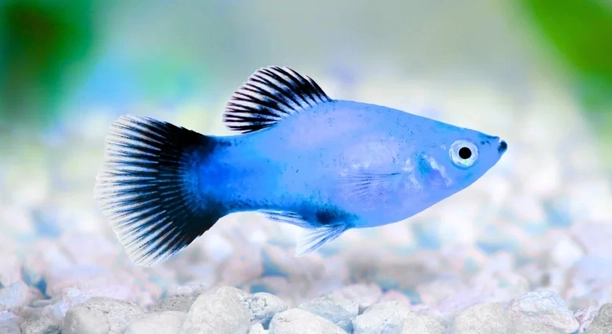
Are your platys showing unusual behavior or changes in appearance that concern you? These small fish can sometimes hide signs of illness, making it hard to notice when they need help. Recognizing subtle clues early can protect their health and wellbeing.
Identifying subtle signs of sickness in platys involves observing changes in swimming patterns, appetite, coloration, and physical condition. Early detection through careful monitoring allows for timely intervention, improving treatment success and reducing the risk of severe health issues.
Noticing these small changes can make a big difference in your platy’s health. The following information will help you recognize early warning signs and act before problems worsen.
Changes in Swimming Behavior
When a platy is sick, one of the first signs often shows in how it swims. You might notice it swimming slower than usual or staying near the surface or bottom of the tank. Sometimes, a sick platy may swim erratically or struggle to maintain balance. These changes can mean the fish is stressed or experiencing discomfort from an illness. Observing your platy’s normal swimming habits regularly helps you spot unusual behavior early. This is important because many diseases affect mobility before other symptoms appear. If your platy seems less active or moves oddly, it is a clear indication that something is wrong and requires attention. Ensuring clean water and proper tank conditions also helps prevent swimming problems linked to poor environment.
Sick platys often lose control of their movements or avoid swimming with others. These signs should not be ignored.
Recognizing swimming issues quickly allows you to check water quality, adjust tank conditions, or seek treatment. Early action can prevent worsening symptoms and protect your platy’s health before the condition becomes serious. Regular observation is key to maintaining a healthy tank. Keeping notes on any changes in swimming behavior can guide you when consulting a vet or fish expert, improving care and recovery chances.
Appetite Loss
A clear sign your platy may be sick is a change in appetite. Healthy platys eagerly eat at feeding time, but a sick fish often shows less interest in food or stops eating altogether. This can happen because illness weakens their system or causes discomfort. Appetite loss can lead to weight loss and further weaken the fish, making recovery harder. Monitoring feeding habits daily will help you notice any decline early. If your platy consistently ignores food, this is a strong indication of an underlying problem. Sometimes, changes in water temperature or quality can also reduce appetite, so it is important to check these factors as well.
Loss of appetite in platys is a significant sign of health problems needing prompt attention.
Appetite loss in platys may be caused by infections, parasites, or poor tank conditions. Illness weakens their immune response, making it difficult for the fish to eat properly. To help your platy recover, ensure the water is clean, maintain proper temperature, and offer high-quality food. Sometimes, switching to softer or live foods can encourage eating during recovery. Persistent appetite loss requires a closer look at possible diseases or stress factors affecting your fish. Keeping the tank clean and stable reduces the chance of illness, supporting a healthy appetite. Acting quickly when appetite changes can improve recovery time and reduce complications. Regularly checking your platy during feeding helps catch these early signs and keep your fish healthy and active.
Color Changes
A platy’s color can fade or develop unusual spots when it is sick. These changes often indicate stress or disease affecting the fish’s health.
Color changes in platys may be caused by infections, parasites, or poor water quality. When a platy’s environment is not stable, its vibrant colors can dull, making it look pale or blotchy. Sometimes, fungal or bacterial infections create visible spots or patches on the skin and fins. These symptoms usually appear before other signs, so noticing color shifts early is important for prompt care. Monitoring water parameters and maintaining cleanliness helps prevent color changes linked to illness. Treatment depends on the underlying cause, so observing any color irregularities should lead to closer inspection and possible intervention.
A platy showing sudden color changes needs attention. Addressing water quality and checking for infections helps stop problems before they worsen.
Clamped Fins
Clamped fins occur when a platy holds its fins close to its body instead of spreading them out naturally. This behavior often signals discomfort or illness.
Fish keep their fins open to swim efficiently and display good health. When a platy clamps its fins, it reduces surface area, which may be a reaction to stress, poor water conditions, or infection. This behavior can also make the fish less agile, increasing its vulnerability to predators or tank mates. Clamped fins combined with other signs such as lethargy or loss of appetite are clear indicators of health problems. To help your platy recover, ensure water conditions are optimal and consider treatment if infections are suspected. Early attention can improve your fish’s chances of returning to normal behavior quickly.
Labored Breathing
Labored breathing is a common sign of illness in platys. The fish may breathe faster or gasp at the water surface, indicating stress or poor water quality.
This symptom can be caused by low oxygen levels, ammonia buildup, or infections affecting the gills. Immediate water testing and correction are essential to help the fish recover and prevent further health decline.
White Spots on Body
White spots on a platy’s body often signal ich, a common parasitic infection. These spots look like tiny grains of salt scattered across the skin and fins.
Ich requires prompt treatment with medication and improved tank hygiene. Left untreated, it can severely harm or kill the fish.
Swollen Abdomen
A swollen abdomen in a platy can indicate internal issues like constipation, dropsy, or infections. This symptom often appears as a noticeable bloating or rounded belly.
Careful observation and timely intervention are needed to address the underlying cause and improve the fish’s health.
FAQ
How can I tell if my platy is sick without obvious symptoms?
Sometimes, platys do not show clear signs of illness immediately. Subtle changes like slight lethargy, decreased appetite, or minor color fading can be early indicators. Watching their daily behavior carefully and noting any differences helps catch illness before it becomes severe.
What should I do if I notice my platy has clamped fins?
Clamped fins usually mean stress or poor water conditions. First, test your water for ammonia, nitrites, and nitrates. Perform a partial water change if needed and improve filtration. If the behavior persists, consider consulting a vet or using aquarium-safe treatments for possible infections.
Can poor water quality cause my platy to get sick?
Yes, poor water quality is a common cause of illness in platys. High levels of ammonia, nitrites, or nitrates, incorrect pH, and temperature fluctuations can weaken their immune system. Maintaining stable, clean water is essential to prevent stress and disease.
How often should I check the water parameters for my platy tank?
It’s best to check water parameters weekly, or more often if you notice changes in your fish’s behavior or appearance. Regular monitoring helps catch problems early and allows timely adjustments to maintain a healthy environment.
Is it normal for platys to stop eating sometimes?
Occasional appetite loss can happen due to stress or environmental changes, but prolonged refusal to eat is a sign of illness. If your platy stops eating for more than a day or two, check water quality and look for other symptoms to address any health issues promptly.
What are common treatments for sick platys?
Treatment depends on the illness but may include improving water quality, isolating the sick fish, and using medications like antibiotics or antiparasitic drugs. Always follow dosage instructions carefully and continue treatment for the full recommended period to ensure recovery.
Can I prevent my platy from getting sick?
Prevention is possible by maintaining clean water, providing a balanced diet, avoiding overcrowding, and quarantining new fish before adding them to the main tank. Regular observation and quick response to any changes also reduce the risk of serious illness.
How long does it take for a sick platy to recover?
Recovery time varies depending on the illness and treatment. Some conditions improve within days, while others may take weeks. Consistent care and proper environment are key to supporting your platy’s healing process.
Should I remove a sick platy from the main tank?
Isolating a sick platy in a separate hospital tank is often recommended. This helps prevent the spread of disease and allows easier treatment and monitoring. Make sure the hospital tank has similar water conditions to reduce additional stress.
What role does diet play in my platy’s health?
A nutritious and varied diet strengthens your platy’s immune system, making it more resistant to disease. Include high-quality flakes, pellets, and occasional live or frozen foods to provide balanced nutrition.
Are there signs that indicate urgent veterinary care?
Severe symptoms such as difficulty breathing, rapid color loss, severe bloating, or unresponsiveness require immediate attention. Consulting a fish veterinarian or experienced aquarist quickly can increase the chances of saving your platy.
Can stress cause my platy to get sick?
Stress weakens a platy’s immune system and makes it more vulnerable to illness. Causes include poor water quality, overcrowding, aggressive tank mates, sudden changes in the environment, and inadequate diet. Reducing stress factors helps keep your fish healthy.
How do I know if my platy has parasites?
Parasites often cause visible signs such as white spots, scratching against objects, rapid breathing, or weight loss. Early detection through observation and testing can allow for timely treatment and reduce harm to your fish.
What is dropsy and how does it affect platys?
Dropsy is a condition where the fish’s body swells due to fluid buildup, often caused by bacterial infection. It is serious and usually fatal if untreated. Swollen abdomen, raised scales, and lethargy are common symptoms. Immediate treatment is necessary.
Is quarantine important when adding new platys?
Quarantine helps prevent introducing diseases to your main tank. Keeping new fish separate for at least two weeks allows you to monitor and treat any hidden illnesses before mixing them with established platys.
Can temperature changes make my platy sick?
Yes, sudden or extreme temperature changes stress platys and can lead to illness. Maintaining stable water temperature within the recommended range (around 72–78°F or 22–26°C) supports their immune system and overall health.
What signs show that my platy’s illness is improving?
Improvement includes increased activity, normal appetite, brighter coloration, and normal swimming behavior. Reduced symptoms like less clamped fins or clearer skin also indicate recovery.
When should I stop treatment for my sick platy?
Complete the full course of treatment as recommended, even if symptoms improve early. Stopping too soon can lead to relapse or resistant infections. Monitor your fish closely throughout and after treatment.
Can environmental enrichment help my platy’s health?
Yes, providing plants, hiding spots, and enough space reduces stress and promotes natural behaviors. A comfortable environment supports mental and physical wellbeing, lowering the risk of illness.
How do I handle medications safely in a community tank?
Some medications may harm other species or sensitive plants. Using a separate hospital tank for treatment minimizes risks and ensures accurate dosing without affecting the main aquarium.
What role does filtration play in preventing platy illness?
Good filtration removes waste, toxins, and harmful bacteria, maintaining water clarity and quality. A reliable filter supports a healthy environment, reducing the chance of disease outbreaks in your tank.
Understanding the subtle signs that your platy may be sick is important for keeping these fish healthy and happy. Platys are generally hardy, but like all living creatures, they can face health challenges. Paying close attention to changes in their swimming behavior, appetite, color, and physical condition helps you catch problems early. Early detection is key because it gives you the chance to act before the illness worsens. By regularly observing your fish and maintaining good tank conditions, you can support their wellbeing and reduce the risk of disease.
Maintaining a clean, stable environment is one of the most effective ways to prevent sickness in platys. Proper water quality, temperature control, and balanced nutrition all contribute to a healthy immune system for your fish. When water parameters are within recommended ranges, platys are less stressed and more able to resist infections. It is also important to avoid overcrowding and introduce new fish cautiously by quarantining them first. These simple steps can prevent many common health issues and keep your aquarium peaceful and thriving.
If you notice any of the subtle clues discussed, such as clamped fins, color changes, or labored breathing, it is important to act quickly. Testing your water and improving tank conditions are good first steps. In some cases, medication or professional advice may be necessary. Remember that patience and careful observation are essential during treatment and recovery. Taking good care of your platy fish will not only extend their lifespan but also provide you with the enjoyment of watching healthy, active fish in your aquarium.

Hello,
If you enjoy the content that we create, please consider saying a "Thank You!" by leaving a tip.
Every little bit helps us continue crafting quality advice that supports the health, happiness, and well-being of pets around the world, for pets of all shapes, sizes, and species.
We really appreciate the kindness and support that you show us!