
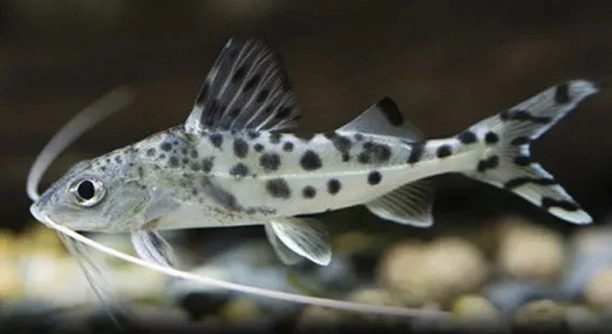
Are your pictus catfish showing signs of healthy living? Observing subtle behaviors and physical traits can help you determine if your fish is thriving in its environment. These signs often go unnoticed but are important for their well-being.
A thriving pictus catfish exhibits steady swimming patterns, clear eyes, healthy fins, regular feeding behavior, active social interaction, and maintains vibrant coloration. These indicators reflect good water quality, proper diet, and a stress-free habitat essential for their health.
Recognizing these signs can improve your care routine and ensure your catfish enjoys a comfortable and balanced life in your aquarium.
Steady and Smooth Swimming
A pictus catfish that is thriving will swim with steady, smooth movements across the tank. It will explore the environment confidently without sudden jerks or signs of distress. This behavior indicates good health and comfort in the water. If the fish glides effortlessly and reacts naturally to changes, it shows that its muscles and fins are functioning well. Erratic or sluggish swimming, on the other hand, may signal stress or illness. The clarity of movement also reflects proper oxygen levels and water quality. Watching your pictus catfish move regularly can help you detect early changes in health before other symptoms appear.
Consistent swimming patterns are a strong sign that your pictus catfish is adapting well to its surroundings and feeling secure in its habitat.
Regularly observing swimming behavior helps maintain your fish’s health by allowing quick responses to any changes or problems in the aquarium environment.
Clear Eyes and Healthy Fins
Clear eyes are a key indicator of a healthy pictus catfish. Cloudy or swollen eyes often point to infections or poor water conditions. Healthy fins should be intact and free from tears, discoloration, or fungus. These features show that the fish is not under stress and is receiving proper nutrition. Fins that are torn or clamped may signal disease or injury. Careful attention to eye clarity and fin condition allows early intervention if issues arise. Maintaining clean water and a balanced diet supports these physical traits and helps your fish thrive. Healthy eyes and fins also reflect a low-stress environment, which is crucial for long-term well-being. Ensuring these signs are present can give you confidence that your pictus catfish is thriving in your care.
Regular Feeding Behavior
A thriving pictus catfish shows a healthy appetite and eats regularly without hesitation. It quickly notices food and actively participates during feeding time.
Consistent feeding habits reveal a well-adjusted fish in a stable environment. If your catfish eagerly accepts food and finishes its portions promptly, it indicates good health and proper nutrition. Conversely, a loss of appetite may point to stress or illness. Feeding your pictus catfish a balanced diet with quality flakes, pellets, or live food will support its energy and growth. Observing feeding behavior is a practical way to monitor your fish’s condition daily.
Providing frequent but measured feeding sessions keeps your pictus catfish engaged and prevents overfeeding, which can harm water quality. This routine strengthens the fish’s immune system and promotes longevity in your aquarium.
Active Social Interaction
Pictus catfish are social and often thrive in groups or alongside compatible tank mates. They interact through gentle swimming patterns and stay close to others without signs of aggression. When your catfish engages calmly with its companions, it shows confidence and comfort.
Social activity helps reduce stress and encourages natural behaviors like foraging and exploration. If your pictus catfish hides constantly or avoids others, it may be uncomfortable or unwell. Ensuring a peaceful community tank with enough space and hiding spots supports healthy social dynamics. This interaction also enriches the fish’s environment, keeping it mentally stimulated and physically active. A social pictus catfish is a sign that its habitat meets its needs effectively.
Vibrant Coloration
A healthy pictus catfish displays bright and consistent colors. Dull or faded hues may indicate poor health or stress.
Color vibrancy reflects good nutrition, clean water, and a suitable environment. When your catfish shows strong patterns and clear markings, it signals overall well-being and proper care.
Comfortable Resting Behavior
Pictus catfish rest calmly, often near the bottom or among plants. Restlessness or constant hiding can signal discomfort.
Responsive to Environment
Your pictus catfish reacts quickly to changes like lights turning on or movement nearby. This alertness shows good health and mental engagement.
How often should I feed my pictus catfish?
Pictus catfish do best when fed once or twice daily. Overfeeding can cause water quality issues, so giving small, measured portions is important. Feeding them a variety of foods, including flakes, pellets, and occasional live or frozen treats, helps provide balanced nutrition and keeps them healthy.
What type of food is best for pictus catfish?
They thrive on a diet that includes sinking pellets or wafers designed for bottom feeders. Supplementing with live or frozen bloodworms, brine shrimp, or daphnia supports their natural hunting instincts and adds protein. Vegetables like blanched zucchini can be offered occasionally to add variety.
How can I tell if my pictus catfish is stressed?
Signs of stress include erratic swimming, hiding for long periods, loss of appetite, faded coloration, or clamped fins. Stress often results from poor water conditions, overcrowding, or incompatible tank mates. Regularly testing water parameters and maintaining a clean tank can prevent stress.
Is it necessary to keep pictus catfish in groups?
Pictus catfish are social and do better in groups of at least three or more. They feel more secure and display natural behaviors when they have company. Keeping them alone can lead to stress and inactivity.
What water conditions are ideal for pictus catfish?
They prefer slightly acidic to neutral pH, around 6.5 to 7.5, with temperatures between 74°F and 79°F (23°C–26°C). Clean, well-filtered water with low nitrate levels is essential for their health. Frequent water changes help maintain these conditions.
How can I encourage my pictus catfish to be more active?
Providing a spacious tank with hiding spots like plants and driftwood encourages exploration. A varied diet and keeping compatible tank mates also stimulate natural behavior. Avoid sudden loud noises or excessive lighting, which can stress and reduce activity.
Can pictus catfish live with other fish species?
Yes, they are generally peaceful and do well with other non-aggressive, similarly sized fish. Avoid housing them with aggressive species that may bully or outcompete them for food. Providing ample space and hiding spots helps reduce territorial conflicts.
What should I do if my pictus catfish shows signs of illness?
First, check water quality and correct any issues. Isolate the fish if possible to prevent spreading disease. Consult a vet or aquarium specialist for diagnosis and treatment options, which may include medications or changes in diet.
How important is tank size for pictus catfish?
A minimum of 30 gallons is recommended for a small group. They are active swimmers and need space to move freely. A larger tank also allows better water quality management and reduces stress caused by overcrowding.
How do I maintain good water quality for pictus catfish?
Regular water changes, about 20-30% weekly, help keep nitrate and ammonia levels low. Use a reliable filtration system suited for the tank size. Avoid overfeeding and remove uneaten food promptly to prevent waste buildup.
Do pictus catfish require special lighting?
Moderate lighting is sufficient. Bright, harsh lights can cause stress, so providing shaded areas or plants for cover allows them to regulate exposure naturally. Lighting should mimic a natural day-night cycle.
What are common health problems for pictus catfish?
Typical issues include fin rot, ich, and bacterial infections. Poor water conditions or injury can cause these problems. Early detection through observing behavior and appearance is critical for effective treatment.
How long do pictus catfish typically live?
With proper care, they can live 8 to 10 years in captivity. Maintaining stable water conditions, a healthy diet, and a stress-free environment are key factors in their lifespan.
Can pictus catfish breed in home aquariums?
Breeding is possible but not common in typical home tanks. They require specific conditions like soft, slightly acidic water and a separate breeding tank. The process needs careful attention to water quality and temperature.
Are pictus catfish nocturnal?
They are mostly active during dusk and dawn but can be active throughout the day if the environment is suitable. Providing hiding spots helps them feel secure during brighter daylight hours.
Taking care of a pictus catfish means paying attention to many small details that show it is healthy and happy. These fish thrive when their environment meets their needs for clean water, good food, and space to swim. Observing their behavior and appearance regularly can help you notice if something is wrong early on. Small signs, like smooth swimming or clear eyes, tell you your fish is doing well. When these signs are present, it means your care routine is effective and your pictus catfish is comfortable in its home.
Water quality plays a crucial role in the health of pictus catfish. Keeping the tank clean and stable prevents many health problems. Regular water changes, proper filtration, and monitoring water parameters such as pH and temperature ensure the fish’s environment is safe. Overfeeding or overcrowding can lead to poor water conditions, so managing these factors is important. Providing a balanced diet with variety supports their nutrition and energy needs. When these basics are in place, pictus catfish show natural behaviors and maintain their vibrant colors and active social habits.
Ultimately, successful care for pictus catfish requires consistent attention and effort. It is rewarding to see these fish thrive and express their natural behaviors. Being mindful of their subtle clues allows you to provide better care and enjoy a healthy aquarium. With patience and regular observation, you can support your pictus catfish’s long-term well-being and create a stable, peaceful environment for them to live in. Taking these steps will make your aquarium a better place for your fish and a more enjoyable hobby for you.

Hello,
If you enjoy the content that we create, please consider saying a "Thank You!" by leaving a tip.
Every little bit helps us continue crafting quality advice that supports the health, happiness, and well-being of pets around the world, for pets of all shapes, sizes, and species.
We really appreciate the kindness and support that you show us!