
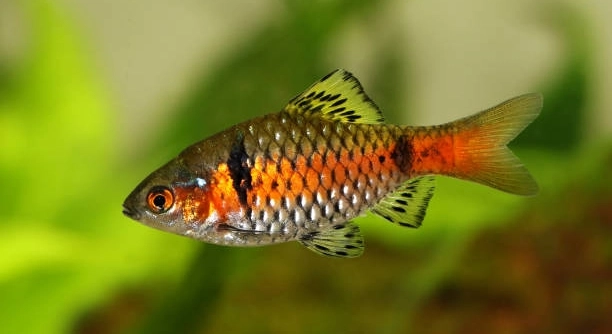
Is your rosy barb acting a little off lately, swimming differently or not eating as much as usual? These small changes might mean something more.
Rosy barbs show subtle signs when they’re unhappy, including changes in behavior, appetite, coloration, and social interactions. Recognizing these early indicators helps ensure their well-being and prevents health issues caused by prolonged stress or unsuitable tank conditions.
Spotting these gentle warnings can make a big difference in your fish’s quality of life and help you respond before things worsen.
Lack of Energy and Movement
When rosy barbs start acting sluggish, it’s often a sign something isn’t right. These fish are naturally active swimmers, so if they begin hovering in one spot, resting at the bottom, or avoiding interaction, it could mean they’re stressed or unwell. Poor water quality, low oxygen levels, or tank overcrowding are common causes. A sudden drop in activity might also signal temperature issues or a lack of stimulation in their environment. It’s important to observe their usual behavior so you can quickly notice when something shifts. Checking your tank parameters and doing partial water changes can often improve conditions fast. If inactivity continues, a health issue like parasites or internal problems could be involved. You may also want to review tank mates, as bullying can exhaust or stress out peaceful fish like rosy barbs. Early action can prevent things from worsening and help bring back their natural energy and movement.
Rosy barbs that barely move around or stop chasing each other are not behaving normally. This change should not be ignored.
Adding new hiding spots or plants can offer comfort. Also, ensure the tank is large enough to support their need for space and swimming room.
Pale or Faded Coloration
A rosy barb losing its color is usually reacting to stress. This could happen from sudden water changes, loud noises near the tank, or a tank setup that doesn’t meet their needs.
Rosy barbs rely on stable conditions to maintain their bright red and golden hues. When they start appearing dull or faded, it’s usually their way of reacting to discomfort. This color change may be temporary if caused by mild stress, but persistent fading often indicates something more serious. It’s helpful to test the water for ammonia, nitrites, and pH levels. Overcrowding or aggressive tank mates can also trigger stress responses, especially if the barbs feel threatened. Sudden light changes or a lack of proper diet can also play a role. Foods rich in carotenoids like spirulina or brine shrimp can help maintain vibrant color. If the change isn’t related to aggression or lighting, checking for early signs of illness such as frayed fins or weight loss might reveal a more direct cause.
Aggression Toward Tank Mates
Rosy barbs turning aggressive might be a sign of stress or discomfort. If they start nipping fins or chasing others constantly, it’s not normal behavior. Changes in environment or lack of space are often behind this shift.
Rosy barbs usually do well in groups, but when something is off, they may lash out. Aggression can be a result of an overcrowded tank, poor water quality, or not enough enrichment in their space. Another common reason is keeping them in too small of a school—less than five can make them feel insecure. That tension sometimes turns into aggressive behavior toward slower or smaller fish. Adding more hiding spots and improving the tank layout can calm things down. Also, ensure they are paired with compatible species. If the aggression continues, isolating the aggressive individual temporarily may help rebalance the tank and let others recover from the stress.
When rosy barbs become bullies, it’s often about territory, space, or stress. They may see smaller fish as threats or react defensively when they feel overwhelmed. This is especially common in undersized tanks or when their social structure is disrupted. Rearranging tank decorations, increasing school size, or moving tank mates can help reduce tension fast.
Loss of Appetite
Not eating is one of the earliest signs something’s wrong. Rosy barbs love food, so a lack of interest usually means they’re uncomfortable or stressed. It could relate to tank changes, poor water quality, or illness.
When rosy barbs refuse food, you should start by checking your water parameters. High ammonia or nitrite levels can make them feel unwell, and poor water quality is often the main reason behind appetite changes. If everything checks out, consider the possibility of internal parasites or a recent stressor, like a new tank mate or equipment noise. Overfeeding can also impact appetite by polluting the water. Offer small amounts of high-quality food, like frozen brine shrimp or flakes, to see if they respond. If the behavior continues for more than two days, it’s time to isolate the fish and observe for other symptoms like bloating, unusual swimming, or discoloration. Catching it early is key.
Hiding More Than Usual
If a rosy barb is hiding more than usual, it’s often trying to avoid stress or conflict. This could mean the tank is too bright, the water is off, or another fish is being too aggressive.
Excessive hiding also happens when the fish feels unsafe or overwhelmed. A lack of plants or cover can increase stress, especially in active community tanks.
Erratic Swimming Patterns
Rosy barbs swimming in fast, jerky motions or spirals may be reacting to stress, poor water conditions, or a developing health issue. This behavior is not typical and should be taken seriously. Check for ammonia spikes, parasites, or sudden temperature changes. Early changes in movement are often the first visible symptoms.
Gasping at the Surface
Frequent gasping at the top often means the oxygen level in the water is too low. It can also signal poor circulation or a clogged filter. Fixing the issue quickly is important.
FAQ
How can I tell if my rosy barb is stressed?
A stressed rosy barb may hide, lose its color, stop eating, or act aggressively. You might also notice erratic swimming or signs of lethargy. These changes usually come on gradually but can appear quickly after a tank change, bullying, or water imbalance. Stress can also lower their immunity, making them more likely to get sick. Observing their daily habits will help you spot these signs early. Any sudden difference in behavior should prompt a check of tank conditions, including water parameters, lighting, and interactions with other fish. Even subtle changes can be a warning.
Why is my rosy barb chasing others constantly?
Rosy barbs are social, but frequent chasing can become a problem. This often happens when they are kept in groups smaller than five. Without enough companions to spread attention, they may pick on one or two tank mates. It can also mean the tank is too small, leading to territorial behavior. Sometimes, chasing is a response to stress or poor tank layout. Adding more rosy barbs or rearranging the tank can often fix the problem. Make sure the other fish in the tank are fast enough to avoid harassment and are not long-finned or timid species.
What should I do if my rosy barb isn’t eating?
Start by testing your water. Poor conditions can make fish feel sick or stressed, and they’ll often refuse food. If the water checks out, try offering a different type of food—frozen brine shrimp or bloodworms can tempt picky eaters. Also, look closely at the fish’s appearance and movement. A bloated belly, stringy poop, or sluggish swimming might signal internal parasites or illness. Keep feeding times consistent and avoid overfeeding. If refusal lasts longer than two days and the fish shows other symptoms, isolate it to watch more closely and consider seeking advice from an aquarium expert.
Can aggression in rosy barbs be fixed?
Yes, aggression in rosy barbs is often fixable. It’s usually tied to environment, tank mates, or group size. Adding more fish of the same species (aim for five or more total) helps reduce stress and spreads out aggressive behavior. You can also rearrange the tank decorations or add plants and caves to break lines of sight. If the problem continues, it may be due to incompatible species or a single fish with persistent aggressive tendencies. In that case, isolating the aggressive fish for a few days may help reset its behavior before reintroducing it to the group.
Why is my rosy barb hiding all the time?
Hiding more than usual often means the fish feels unsafe. This could be due to bullying, bright lighting, or a lack of cover in the tank. Fish need places to retreat when they feel overwhelmed. Adding plants, rocks, or decorations can help make them feel secure. Also, watch how other fish interact with your rosy barb. If it’s being chased often, that stress will keep it in hiding. Try dimming the lights slightly or placing the tank in a quieter spot. Once the fish feels safe again, it should return to its usual active behavior.
How often should I check my tank’s water quality?
It’s best to check water parameters weekly. Ammonia, nitrite, nitrate, and pH levels can shift quickly, especially in smaller tanks. A basic water test kit can help you stay on top of things. Regular checks are especially important if your fish start acting strange or if you’ve recently changed the tank’s layout, added new fish, or adjusted feeding. Also, clean your filter regularly and do partial water changes every week to keep everything stable. Stable water helps prevent nearly all common issues in rosy barbs, from appetite loss to color fading.
Can poor diet cause unhappiness in rosy barbs?
Yes, a poor diet can lead to several problems. Without enough nutrients, rosy barbs can lose color, become sluggish, and even become more prone to disease. They need a varied diet that includes high-quality flakes, frozen or live food, and plant-based options. Avoid feeding only one type of food. Overfeeding is just as harmful—it can pollute the water and stress the fish. Feed small portions once or twice a day, and remove any uneaten food within a few minutes. A balanced diet helps keep your fish active, colorful, and more resistant to stress and illness.
Final Thoughts
Rosy barbs are hardy fish, but they still need the right environment and care to stay happy and healthy. Watching their behavior closely is one of the best ways to catch signs of stress early. Things like fading color, hiding, lack of appetite, or changes in swimming patterns may seem small, but they often point to something deeper. A well-balanced tank setup, clean water, and proper diet go a long way in keeping these fish active and comfortable. The more time you spend observing your rosy barbs, the easier it becomes to notice when something feels off.
Stress in fish can be caused by many things, from poor water quality and aggressive tank mates to an overcrowded space or a lack of stimulation. Making small changes, like adjusting lighting, adding plants, or simply improving the water conditions, can make a big difference. Even a shift in diet can help restore their energy and color. It’s also important to remember that rosy barbs enjoy swimming in groups. When kept alone or in too small a school, they may feel unsafe and begin to show signs of unhappiness. Matching them with peaceful, fast-moving tank mates helps create a calmer atmosphere.
Being aware of your rosy barb’s behavior each day is the best habit you can form. Routine care like weekly water tests, regular feeding schedules, and keeping the tank clean not only prevents most problems but also helps your fish live longer, healthier lives. Most signs of discomfort or stress are subtle, so paying attention early on allows you to respond before serious issues develop. It’s not about doing anything fancy—it’s about being consistent and responsive. With just a little effort and attention, you can maintain a peaceful, balanced tank where your rosy barbs can thrive.

Hello,
If you enjoy the content that we create, please consider saying a "Thank You!" by leaving a tip.
Every little bit helps us continue crafting quality advice that supports the health, happiness, and well-being of pets around the world, for pets of all shapes, sizes, and species.
We really appreciate the kindness and support that you show us!