
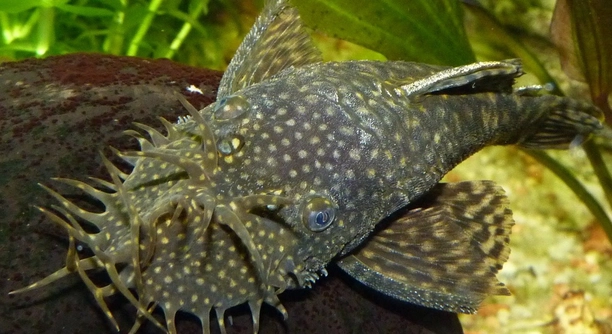
As plecostomus age, subtle changes occur in their behavior, appearance, and health. These changes can affect how they interact with their environment and adapt to different conditions. Understanding these changes helps ensure their well-being over time.
Aging plecostomus often experience changes in skin texture, coloration, and activity levels. Their appetite and feeding habits may also shift, and their growth slows down. Monitoring these signs can help ensure they are living comfortably in their environment.
Recognizing these changes allows for better care and a more comfortable environment for your plecostomus.
Changes in Appearance and Skin
As plecostomus grow older, their skin may begin to show signs of aging. Their once smooth scales might become rough or uneven. The coloration may dull or shift, particularly in the darker varieties. It’s important to keep an eye on these changes, as they can be indicative of other health issues, such as skin infections or parasites. While some fading of color is natural, significant changes in the skin’s texture or tone should be monitored closely.
The aging process can affect the skin’s elasticity, which may lead to a more wrinkled or stretched appearance. These changes can make the plecostomus look different but are often harmless. It is still essential to ensure that the tank conditions remain optimal, including water quality and temperature.
Older plecostomus may also develop darker spots or patches on their skin as a result of aging. This is particularly common with plecos that have lived in a tank for many years. In some cases, changes in skin tone are a natural part of the aging process, and not necessarily a sign of illness. Regular maintenance of tank cleanliness and proper water conditions can help slow down these effects.
Activity Level and Movement
As your plecostomus ages, its activity levels may decrease. Older plecos tend to be less active, spending more time resting or hiding. Their movements may become slower and more deliberate, particularly during feeding times.
While this behavior is generally expected as they age, it’s important to ensure they are still getting enough food and care. A drop in movement could signal more significant issues like poor water quality or health problems, which should be addressed quickly to avoid complications.
Feeding Habits and Appetite Changes
As plecostomus age, their appetite may fluctuate. They might eat less frequently or become more selective with their food choices. Some older plecos may stop actively foraging and prefer to stay near their food source.
This reduced appetite can be linked to a slower metabolism as they age. It’s essential to monitor how much food is being consumed to ensure that they’re not underfed. Overfeeding should also be avoided, as aging plecos may not require as much food. If their eating habits drastically change, it could indicate a health issue, such as digestive problems or water quality concerns.
Feeding your plecostomus a varied diet can help them stay healthy. Offer a mix of algae, vegetables, and specially formulated pleco food to provide a well-rounded diet. Ensure that food is placed near where they are most active to encourage eating. Pay attention to any sudden changes and address them quickly.
Health Issues to Watch For
Older plecostomus can be more vulnerable to certain health issues. Poor water quality can lead to stress, which may result in skin infections, fin rot, or even internal parasites.
Regular water testing is crucial to ensure that levels of ammonia, nitrate, and nitrite are within safe ranges. Maintaining proper filtration, along with regular water changes, can help prevent many common diseases. It’s also important to observe their behavior closely—if they become lethargic or have trouble swimming, these could be signs of an underlying health issue.
Aging plecos may develop eye problems or cloudiness, which can indicate infection or poor tank conditions. These issues should be addressed immediately to avoid further complications. Keeping a clean tank and maintaining stable water parameters is the best way to help ensure your plecostomus stays healthy as they age.
Changes in Size and Growth Rate
As plecostomus age, their growth slows down significantly. Younger plecos grow rapidly, but this slows as they reach maturity. Older plecos tend to reach a certain size and stop growing altogether.
While their size may remain stable, some may develop thicker bodies with age. This is typically a natural part of aging. It’s important to note that this change in growth rate doesn’t mean they are unhealthy. The slowing growth is simply a sign of aging. Monitoring their diet and tank environment can help maintain their health.
Social Behavior and Interaction
Plecostomus tend to be solitary creatures, but aging plecos may show changes in how they interact with other tank mates. They might become less territorial, spending more time resting than defending their space.
Older plecos may tolerate the presence of other fish more than when they were younger. However, it’s still important to observe their interactions to ensure that the tank environment is peaceful. Some plecos may seek out more hiding spots as they age, preferring solitude to socializing with other fish.
Water Quality and Environmental Sensitivity
As plecostomus age, they can become more sensitive to changes in water conditions. A slight change in temperature, pH, or water hardness may have a greater impact than it would on younger fish.
Older plecos often struggle with adapting to drastic changes in water quality. Regular maintenance is even more crucial to keep them comfortable. Consistent water changes, along with filtration, are key to maintaining a healthy environment for aging plecostomus.
FAQ
What is the lifespan of a plecostomus?
A plecostomus typically lives for 10 to 15 years, although this can vary depending on factors like tank conditions, diet, and overall care. With optimal conditions, some plecos have been known to live even longer. Proper maintenance of water quality and a balanced diet are key to ensuring they live a long life.
How can I tell if my plecostomus is aging?
As plecostomus age, they show noticeable changes in their behavior, appearance, and feeding habits. These include slower movement, reduced appetite, changes in coloration, and skin texture. If you observe these changes, it’s likely a sign that your pleco is getting older. Monitoring their activity levels and appetite can help you track their aging process.
What are the signs of illness in an aging plecostomus?
Older plecos are more susceptible to certain health issues. Look out for signs such as lethargy, difficulty swimming, faded coloration, or changes in eating habits. If your pleco is not moving as much, seems bloated, or shows abnormal skin conditions like ulcers or cloudy eyes, it could be a sign of an infection or other health problem.
Do plecostomus need special care as they age?
Yes, aging plecostomus may require more attention than younger ones. They can be more sensitive to water quality and environmental changes. Regular water changes, proper filtration, and stable temperature are essential. You may also need to adjust their diet to meet their changing needs, offering smaller meals or more easily digestible food.
How often should I feed my aging plecostomus?
An aging plecostomus may eat less frequently than when it was younger. You should monitor their appetite and adjust the feeding schedule accordingly. Offer food once a day, but reduce the portion size if they are eating less. Be sure to provide a variety of food options, including algae wafers, vegetables, and other supplements suitable for plecos.
Can aging plecostomus live with other fish?
Older plecostomus are generally peaceful and can live with other fish, but their behavior may change as they age. Some may become less territorial and more tolerant of tank mates, while others may seek solitude. It’s important to monitor interactions and ensure that no aggression is occurring, particularly if you have more active fish.
What should I do if my plecostomus stops eating?
If your plecostomus stops eating, it could be a sign of stress, illness, or water quality issues. Check the water parameters, ensuring they are stable and within the appropriate ranges. If the water quality is fine, try offering different types of food or adjusting their diet. If the problem persists, it may be time to consult a vet or aquatic specialist.
How can I keep the water quality optimal for an aging plecostomus?
Older plecostomus are more sensitive to changes in water quality. Regularly test the water for ammonia, nitrites, nitrates, and pH levels to ensure they remain stable. Perform partial water changes weekly and maintain proper filtration to remove debris and toxins. Additionally, avoid overfeeding to prevent waste buildup.
What temperature should I keep my plecostomus tank at?
Plecostomus thrive in warm water, typically between 74-80°F (23-27°C). As they age, maintaining a stable temperature is even more important. Avoid sudden temperature fluctuations, as older plecos may have a harder time adjusting. Use a reliable heater to keep the water at a consistent temperature within the ideal range.
Can aging plecostomus develop health problems related to water hardness?
Yes, aging plecostomus can become more sensitive to changes in water hardness. It’s important to maintain the hardness within the recommended range, typically between 6-12 dGH (degrees of general hardness). Sudden changes in hardness can cause stress, which can lead to health problems. Regular monitoring of water parameters can help prevent this.
Should I change the filter more often for an aging plecostomus?
While the filter should be changed regularly for all fish, aging plecostomus might benefit from more frequent maintenance. Their slower metabolism and reduced activity may result in more waste accumulation in the tank, making efficient filtration even more important. Keep an eye on the filter to ensure it is functioning properly and replace it as needed.
Final Thoughts
Caring for an aging plecostomus requires attention to their changing needs. As they grow older, they may become more sensitive to shifts in water conditions, food preferences, and social interactions. Monitoring their behavior and health closely will ensure that they remain comfortable in their environment. With proper care, aging plecos can continue to thrive and bring beauty to your aquarium for many years.
It’s essential to maintain stable water quality, as older plecos can be more vulnerable to changes in temperature, pH, and hardness. Regular water changes, testing, and ensuring the filtration system is working efficiently are crucial steps. Additionally, keeping an eye on their diet and adjusting it according to their appetite and health will help meet their nutritional needs. A varied diet of algae, vegetables, and specially designed pleco food can provide the right nutrients without overfeeding.
Lastly, observing your plecostomus for signs of illness is critical as they age. Symptoms like lethargy, changes in coloration, or a lack of appetite could signal health problems that need attention. Early detection of issues can make a significant difference in the long-term health of your fish. Aging plecos may require a bit more effort to care for, but with the right environment and consistent monitoring, they can live comfortably and continue to enrich your tank.

Hello,
If you enjoy the content that we create, please consider saying a "Thank You!" by leaving a tip.
Every little bit helps us continue crafting quality advice that supports the health, happiness, and well-being of pets around the world, for pets of all shapes, sizes, and species.
We really appreciate the kindness and support that you show us!