
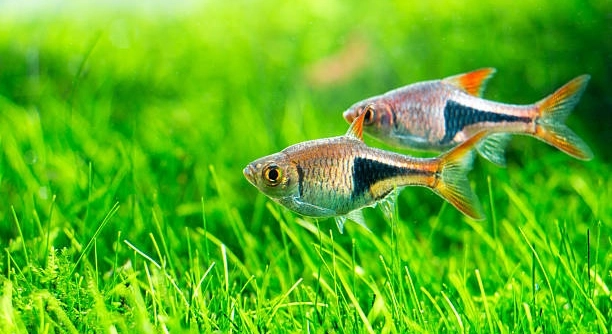
Rasboras are small, active fish often kept in home aquariums. They have delicate behaviors that can show their feelings. Noticing these subtle body shifts can help you understand when they feel nervous or stressed.
When rasboras are nervous, they make small changes like flicking their fins, trembling slightly, tightening their body, or darting quickly. These movements signal discomfort and alertness, often caused by changes in their environment or presence of potential threats.
Recognizing these signs can improve how you care for your rasboras and create a calmer environment for them. Learning to spot their nervous shifts helps deepen the bond with these lively fish.
Fin Flicking and Trembling
When rasboras feel nervous, one of the first signs is fin flicking. This subtle movement happens when they rapidly flutter their fins as if trying to make themselves smaller or prepare to swim away. Along with this, trembling or slight shaking of their body often appears. These small shakes are usually caused by stress or sudden changes in their environment, like loud noises or new tank mates. You might notice the fish twitching near plants or decorations, trying to find a hiding spot. This behavior helps them stay alert to potential danger without drawing too much attention. Observing these signs early can prevent more serious stress or illness. Creating a stable, calm tank environment with plenty of places to hide can help reduce these nervous movements and keep your rasboras comfortable and healthy.
Fin flicking is an early sign of nervousness. It shows your fish is uneasy but not yet panicked.
Keeping an eye on fin flicking and trembling helps you spot stress early. It allows you to make small adjustments, like lowering tank noise or adding plants, to keep your rasboras feeling safe and relaxed. These small details can make a big difference in their overall well-being.
Quick Darts and Body Tightening
Quick darting movements are common when rasboras feel nervous or threatened. They suddenly swim in short bursts, often near the tank bottom or corners. This is a natural reaction to avoid what they perceive as danger. At the same time, their body may tighten and become more rigid. This stiff posture helps them stay ready to flee if needed. When you notice this behavior, it usually means something in their environment is making them uncomfortable. It could be a sudden light change, a new fish, or even water conditions. Reducing sudden disturbances and keeping their tank stable helps minimize these stress signals. Watching for these subtle signs lets you better support their health and happiness over time.
Slight Color Changes
Rasboras may show subtle shifts in their color when nervous. Their usually bright hues can fade or become dull. This change is a response to stress, helping them stay less noticeable to predators or threats in their environment.
Color changes happen because stress affects the pigments in a rasbora’s skin. When the fish feels threatened, its body releases hormones that can cause this fading. This reaction is natural but should not last long. Prolonged dullness can indicate poor water quality or illness. Watching for these shifts helps you spot stress early. Adjusting lighting or checking water parameters can bring back their normal brightness. Maintaining a peaceful tank environment reduces stress, allowing your rasboras to display their true, vibrant colors again.
Sometimes, the color shift is very subtle, barely noticeable at first. Observing your rasboras regularly helps you catch these changes quickly. When you notice dull colors, consider if something new has disturbed the tank or if the water conditions need testing. Regular care and consistent tank conditions support healthy coloration and keep your fish comfortable.
Avoidance Behavior
Avoidance behavior means your rasbora may swim away or hide when feeling nervous. They try to stay out of sight, keeping distance from perceived threats in the tank.
This behavior usually happens when new fish are introduced or when sudden movements occur outside the tank. Rasboras may seek shelter behind plants or decorations and stay there longer than usual. This can make them seem less active or shy. Giving them time to adjust and minimizing disturbances helps reduce avoidance. Creating plenty of hiding spots in the aquarium allows them to feel safe. Avoidance is a normal response to stress but should decrease as they get comfortable with their environment. Patience and a calm atmosphere help your rasboras regain their confidence and swim more freely.
Gill Movement Changes
Nervous rasboras often breathe faster, which causes their gills to move more rapidly. This is a common sign of stress or discomfort in fish.
Faster gill movement means the fish is trying to take in more oxygen. This can happen if the water quality is poor or if they feel threatened by sudden changes.
Hiding More Often
When feeling nervous, rasboras tend to spend more time hiding. They seek out plants, caves, or decorations to feel protected.
This behavior helps them avoid stress but can also limit their activity. Ensuring enough hiding spots in the tank helps rasboras feel safer and reduces stress.
Tail Position Changes
Rasboras may hold their tails differently when nervous. Instead of a relaxed position, the tail might be held stiff or tucked close to the body.
This change in tail position is another sign of alertness or discomfort and shows they are ready to swim away quickly if needed.
What causes rasboras to show nervous body shifts?
Rasboras often show nervous body shifts because they feel threatened or stressed. Changes in their environment, like loud noises, sudden movements, new tank mates, or poor water quality, can trigger these reactions. These subtle movements help them stay alert and ready to escape if needed. Stressful conditions affect their behavior quickly, so it’s important to keep their tank calm and stable.
How can I tell if my rasbora is nervous?
You can tell if your rasbora is nervous by watching for small changes like fin flicking, trembling, or quick darting movements. They may also show color fading, hold their tails stiffly, or breathe faster with rapid gill movement. Hiding more often than usual is another clear sign. These behaviors are their way of reacting to stress or discomfort in their surroundings.
Are nervous behaviors harmful to rasboras?
Nervous behaviors themselves are not directly harmful but often indicate that your rasbora is under stress. Prolonged stress can weaken their immune system, making them more prone to diseases. It can also reduce their appetite and activity levels, affecting their overall health. Addressing the causes of stress early can help prevent serious problems.
What should I do if I notice my rasbora showing nervous signs?
If you notice nervous signs, start by checking the tank conditions. Make sure water temperature, pH, and cleanliness are within the right range. Reduce sudden noises or movements near the tank. Provide plenty of plants or hiding spots to make them feel safe. If new fish were recently added, give everyone time to adjust gradually. Keeping the environment stable helps your rasboras calm down.
Can changes in lighting affect my rasbora’s behavior?
Yes, sudden or very bright lighting can stress rasboras. They prefer gentle, consistent light that mimics natural daylight. Abrupt changes in light can cause nervous behaviors like quick darting or hiding. Using a timer for the aquarium light can help create a regular day-night cycle, reducing stress.
Do all rasboras show the same nervous behaviors?
Not all rasboras behave exactly the same when nervous. Some may flick fins more, while others hide or change color. Individual differences and tank conditions influence how these behaviors appear. Knowing your fish’s normal habits makes it easier to spot when something is wrong.
Can I prevent nervous behavior in rasboras?
Prevention starts with creating a calm, stable environment. Avoid sudden changes in water parameters or introducing new fish too quickly. Keep noise and vibrations near the tank low. Provide plenty of plants and shelters. Regular water testing and maintenance are also key. A well-maintained tank helps rasboras feel secure and lowers nervous behaviors.
Is it normal for rasboras to hide a lot?
Rasboras naturally seek shelter when they feel nervous or threatened. Hiding is normal, but if they spend most of their time hidden, it may mean something is wrong. It could be stress from the tank environment, aggressive tank mates, or poor water conditions. Improving the environment helps encourage them to swim more freely.
How long does it take for rasboras to stop being nervous?
The time varies. Some rasboras calm down within hours after the stress source is removed. Others take days or weeks, especially if changes in the tank were sudden or severe. Patience and consistent care are important. Keep the environment peaceful and watch their behavior improve gradually.
Can nervousness cause physical illness in rasboras?
Stress from nervousness can weaken a rasbora’s immune system, making it more likely to catch infections or parasites. Stress may also slow healing and reduce appetite. While nervous behaviors don’t cause illness directly, the conditions causing stress can lead to health problems if not addressed promptly.
Understanding the subtle body shifts rasboras make when they are nervous helps in taking better care of these small fish. Recognizing signs like fin flicking, trembling, quick darting, or changes in color and breathing shows you when your fish are feeling stressed or uncomfortable. These behaviors are natural responses to their environment, and paying attention to them can prevent bigger problems. When rasboras feel safe and secure, they will show their true, bright colors and swim confidently.
Keeping a calm and stable aquarium is key to reducing nervous behaviors in rasboras. Simple steps like maintaining good water quality, avoiding sudden noises or movements near the tank, and providing plenty of hiding spots can make a big difference. It is also important to introduce new fish carefully and avoid overcrowding. Rasboras need time to adjust to changes in their environment. A peaceful tank helps lower stress and supports their health and happiness over time.
Remember that nervous behavior is a way rasboras communicate their discomfort. By observing these small body shifts, you can respond quickly and make adjustments to improve their living conditions. This attention not only protects their health but also deepens your connection with your fish. Creating a safe and welcoming home encourages rasboras to thrive and show their natural beauty. Consistent care and patience go a long way in keeping your aquarium balanced and your rasboras relaxed.

Hello,
If you enjoy the content that we create, please consider saying a "Thank You!" by leaving a tip.
Every little bit helps us continue crafting quality advice that supports the health, happiness, and well-being of pets around the world, for pets of all shapes, sizes, and species.
We really appreciate the kindness and support that you show us!