
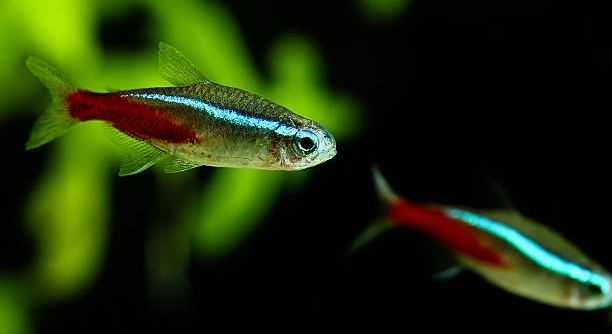
Are your tetras swimming around in a tank that doesn’t seem quite right? The type of substrate you use might be the reason. Choosing the right base for their environment can improve their health and behavior.
The best substrates for tetra tanks are smooth, non-abrasive, and capable of supporting live plants while maintaining stable water parameters. Ideal options include sand, fine gravel, and plant-specific substrates that help mimic tetras’ natural habitats.
Each substrate type offers unique benefits that can support your tetras’ comfort, health, and tank aesthetics in different ways.
Sand
Sand is one of the most popular substrates for tetra tanks. It closely mimics their natural environment, especially for species like neon and cardinal tetras that come from slow-moving rivers in South America. The fine texture is gentle on their fins and helps reduce the risk of injury. Sand also works well with bottom-dwelling tank mates, such as corydoras, which often share space with tetras. It allows them to sift through it comfortably without damage. Another benefit of sand is its clean appearance and ability to anchor live plants if supplemented correctly. While it does compact over time, regular stirring or the presence of burrowing snails can help keep it fresh. It’s important to rinse sand thoroughly before adding it to your tank to prevent cloudiness. If you have a planted tetra tank, consider using nutrient-rich sand blends for better root support and water clarity.
Sand feels soft, looks clean, and provides a more natural feel for your tetras. It’s gentle enough for delicate fish and suitable for planted tanks.
Sand offers a neutral look that blends easily with decorations and plants. Tetras tend to be more relaxed in tanks that reflect their natural habitat, and sand helps create that calming base. Maintenance is simple with regular siphoning and occasional stirring.
Fine Gravel
Fine gravel is a good option for tanks that combine aesthetics with easy upkeep. It’s smoother than traditional gravel and still allows water to flow through, which helps prevent waste buildup.
This substrate works especially well in tanks where you want to keep plants rooted while also making cleanup simple. Fine gravel comes in many natural tones, so you can easily match it with your décor. It’s heavier than sand, so it stays in place better when cleaning or during water changes. That’s useful if your tank has active swimmers or bottom feeders. Tetras do fine with fine gravel since it’s not sharp or rough. If you’re planning to use live plants, adding a root tab fertilizer underneath can help support growth without changing the look of your setup. Just make sure to rinse it well before use, as dust from packaging can cloud your tank. Fine gravel keeps your setup practical while still feeling welcoming.
Aqua Soil
Aqua soil is a plant-focused substrate that works well in tetra tanks with live plants. It’s rich in nutrients, which helps root systems grow strong and steady. This is important if you want a tank that supports both fish and healthy plant life.
Many aqua soils lower pH slightly, which is helpful for most tetras that thrive in soft, acidic water. The grain size is small and gentle, so it’s safe for fish that explore the bottom. One thing to keep in mind is that aqua soil can cloud the water when first added. Rinsing lightly or using it with a top layer like sand helps reduce that. It’s also best used in planted tanks since it breaks down over time and releases nutrients. If your setup includes live plants and tetras, this substrate creates a balanced, natural environment that looks great and supports long-term tank health.
While it may cost more than other options, aqua soil pays off in plant growth and water stability. It’s especially good for setups where you want plants to thrive without needing constant adjustments. It holds nutrients better than gravel or plain sand, and it supports beneficial bacteria growth. Tetras benefit from the steady water conditions it helps maintain.
Pea Gravel
Pea gravel is smooth, rounded, and slightly larger than fine gravel. It’s easy to clean and stays put during water changes. This makes it great if you want a tank that’s easy to maintain but still looks natural and cozy.
Pea gravel allows good water flow between particles, which helps prevent debris buildup. It comes in different shades, and the rounded edges make it safe for most fish. However, its size makes it harder for delicate plants to stay rooted unless you combine it with a layer of plant soil underneath. Tetras will do fine with it as long as the gravel isn’t too sharp or rough. It’s best used in tanks where you’re focusing more on fish than plants. If you want to add greenery, try using potted aquatic plants or root tabs to help them settle. Pea gravel is solid, simple, and low-maintenance.
Fluval Stratum
Fluval Stratum is a lightweight substrate made from volcanic soil. It supports plant growth and helps stabilize pH levels, which is useful for tetra tanks. Its soft texture is safe for bottom feeders and gentle on tetra fins.
It holds nutrients well and allows plant roots to spread easily. It’s best for planted tanks.
Eco-Complete
Eco-Complete is nutrient-rich and made for live plant setups. It contains essential minerals and supports strong root growth without needing extra fertilizers. The dark color also makes tetra colors stand out more. It doesn’t need rinsing and includes beneficial bacteria that support the nitrogen cycle, which helps with tank stability over time.
Bare Bottom
A bare bottom tank is easy to clean and lets you see debris clearly. It’s practical if you want less maintenance or are breeding tetras.
What is the best substrate for tetras?
The best substrate for tetras is one that is soft, smooth, and safe for their delicate fins. Sand and fine gravel are top choices because they mimic natural environments and prevent injury. Plant-friendly substrates like aqua soil or Fluval Stratum work well if you have live plants. These substrates also help maintain stable water conditions, which are important for tetras’ health.
Can I use regular gravel in a tetra tank?
Regular gravel can be used, but it should be smooth and not too sharp. Coarser gravel might hurt tetras or trap too much debris, leading to water quality problems. If you want gravel for decoration, make sure it is fine and easy to clean. Combining it with a layer of nutrient-rich soil can help if you have live plants.
Does substrate affect water quality in tetra tanks?
Yes, substrate affects water quality. Nutrient-rich substrates like aqua soil release minerals that support plants but can change pH levels. Inert substrates like sand or pea gravel are more stable but don’t provide nutrients. Keeping the substrate clean by regular siphoning is important to prevent waste buildup and maintain healthy water.
How often should I clean substrate in a tetra tank?
Substrate should be cleaned every 1 to 2 weeks, depending on tank size and stocking levels. Use a siphon to remove debris from the surface without disturbing plants or the substrate too much. Over-cleaning can harm beneficial bacteria that live in the substrate and help break down waste.
Is sand better than gravel for tetras?
Sand is often better because it’s softer and less likely to trap debris. It allows bottom-dwelling fish to sift through safely and gives a natural look. Gravel can work too if it’s fine and smooth, but larger, rough gravel may stress tetras or trap too much waste.
Can I mix different substrates in a tetra tank?
Yes, mixing substrates can create a balanced environment. For example, you might use nutrient-rich soil under a layer of sand or fine gravel. This helps plants grow while keeping the surface soft and safe for tetras. Just be careful to avoid mixing very different grain sizes that can cause uneven settling.
What substrate is best for planted tetra tanks?
Nutrient-rich substrates like aqua soil or Fluval Stratum are best for planted tanks. They provide essential minerals for roots and help plants thrive. These substrates also tend to slightly lower pH, which suits most tetra species. Adding root tabs can supplement gravel or sand if you want plants without changing the substrate completely.
Is bare bottom tank good for tetras?
Bare bottom tanks are easy to clean and can reduce waste buildup. They are often used for breeding or quarantine tanks. However, they don’t provide a natural look or environment. Tetras may feel less comfortable without substrate because it removes hiding places and reduces natural behaviors.
How does substrate impact tetra behavior?
Substrate impacts behavior by providing comfort and security. Soft, natural substrates encourage tetras to explore and act naturally. Rough or sharp substrates can stress them and cause injury. Plant-supporting substrates also promote a more natural habitat, which helps tetras feel safer and reduces stress.
What should I avoid in tetra tank substrates?
Avoid substrates that are sharp, large, or made from limestone or coral, as these raise pH and hardness, which tetras dislike. Also avoid unwashed substrates that cause cloudiness. Stay away from substrates that break down too quickly if you don’t want to change your water chemistry often.
Choosing the right substrate for your tetra tank is important for creating a healthy and comfortable environment. The substrate not only affects how your tank looks but also plays a big role in the water quality and the well-being of your fish. Soft, smooth substrates like sand or fine gravel are usually the best choices because they prevent injury and feel natural to tetras. If you have live plants in your tank, using nutrient-rich substrates like aqua soil or Fluval Stratum can help plants grow strong, which in turn benefits your fish by improving water quality and providing hiding spots.
Each type of substrate has its own advantages and challenges. For example, sand looks very natural and is gentle on bottom-dwelling fish, but it can compact over time and might need occasional stirring. Fine gravel is easier to clean and stays in place better, but it might not support plant roots as well without additional nutrients. Nutrient-rich soils are great for plants but sometimes cause water cloudiness at first. Pea gravel is low maintenance but may not be the best for planted tanks. Choosing a substrate depends on your tank’s setup and what you want to prioritize—whether it’s plant growth, ease of cleaning, or the comfort of your tetras.
Overall, taking the time to select a substrate that fits your specific tank conditions will help your tetras thrive. A proper substrate supports the fish’s natural behaviors and keeps the water balanced. It also makes the tank more enjoyable to look at. Regular maintenance, like rinsing and cleaning the substrate, is also important to prevent waste buildup and keep the tank environment healthy. When your tetras live in a well-planned and cared-for environment, they are more likely to stay healthy and active, which makes the aquarium experience much more rewarding.

Hello,
If you enjoy the content that we create, please consider saying a "Thank You!" by leaving a tip.
Every little bit helps us continue crafting quality advice that supports the health, happiness, and well-being of pets around the world, for pets of all shapes, sizes, and species.
We really appreciate the kindness and support that you show us!