
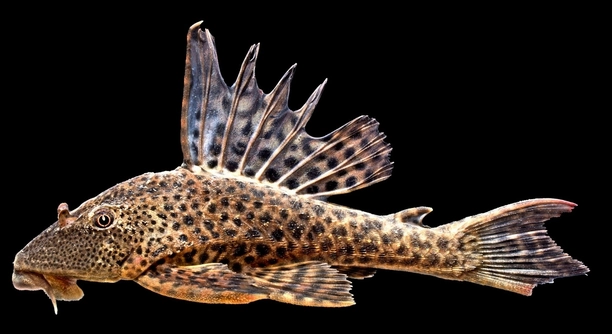
Plecos are fascinating fish, known for their bottom-dwelling habits and their love of specific substrates. The type of substrate you choose for them is essential for their health and well-being.
Plecos prefer substrates that mimic their natural environment, which includes soft, sandy, or smooth gravel options. These substrates help them feel secure and provide a surface for grazing on algae and other microorganisms.
The right substrate can make a big difference in your pleco’s happiness. It’s important to understand what works best for these fish to create an ideal home for them.
Soft, Fine Sand Substrates
Soft sand is one of the best substrate options for plecos. It closely mimics the conditions of their natural habitat, where they often dwell on sandy riverbeds. The fine grains are gentle on their sensitive barbels, and it allows them to sift through the sand comfortably while searching for food. Additionally, plecos enjoy grazing on algae that often grow on sandy surfaces, making it an ideal environment for them to thrive.
Plecos feel safer and more comfortable when the substrate is soft, as it prevents any damage to their delicate fins and barbels. A sandy substrate also supports their natural behavior, such as digging and sifting through the sand.
It’s easy to maintain soft sand in your aquarium, as it doesn’t compact easily, allowing waste and debris to settle on top, where it can be vacuumed out. It’s essential, though, to choose the right kind of sand. Aquarium-grade sands are free from sharp edges, which can harm the fish. When properly maintained, soft sand provides a beautiful and functional environment for plecos.
Smooth Gravel Substrates
Smooth gravel is another common substrate type for plecos. This substrate allows plecos to move freely without causing harm to their fins.
Smooth gravel offers a stable base and supports the pleco’s grazing habits. When combined with proper tank maintenance, this substrate can create a comfortable and safe environment for plecos. The smooth stones provide surfaces where algae can grow, which plecos will consume.
Some plecos, like the common bristlenose, enjoy grazing on rocks and may even attach themselves to the gravel to scrape algae off. However, it’s crucial to ensure that the gravel particles are not too large. Smaller gravel is more suitable, as large stones may cause harm. Additionally, while smooth gravel doesn’t trap waste as sand might, it still requires regular cleaning to prevent debris build-up. When maintained well, smooth gravel offers both functional benefits and a natural look in your aquarium.
Clay-Based Substrates
Clay-based substrates, such as red clay, are excellent for plecos because they help maintain water quality. The porous nature of clay allows for beneficial bacteria to grow, promoting a healthier tank environment.
This type of substrate also provides plecos with a surface to graze on and encourages natural foraging behavior. Clay substrates can also be beneficial for plant growth in the aquarium, as it provides essential nutrients. However, it’s crucial to ensure that the clay doesn’t alter the water’s pH level too drastically.
Though clay is a great option, it requires regular cleaning to prevent excess waste build-up. Some plecos may enjoy digging through the clay, and this activity can sometimes make the substrate messy. Proper maintenance will ensure that it remains a safe and healthy environment for your plecos.
Natural Stones and Rocks
Natural stones and rocks provide a more rugged surface for plecos to explore. These types of substrates are great for creating caves and hiding spots for your plecos, which makes them feel more secure in their environment.
Plecos love to attach themselves to natural stones, where they can graze on algae that often grows on them. The rough texture of these rocks can also help wear down their ever-growing teeth, which is beneficial for their dental health. It’s important to choose rocks that won’t alter water parameters, as some types of stones can increase the hardness of the water.
Rocks and stones in your aquarium also add an aesthetically pleasing, natural look. They can be arranged to create hiding places and caves, offering plecos a sense of security. Be sure to choose smooth, rounded stones that won’t harm your fish or alter the water chemistry.
Aquarium Soil
Aquarium soil provides a nutrient-rich environment, perfect for plecos that enjoy a more planted tank. It helps plants grow and can promote the health of the aquarium’s ecosystem.
This type of substrate helps maintain water quality by absorbing excess nutrients. It can also stabilize pH levels in the tank, which is beneficial for plecos. However, aquarium soil can sometimes lead to a slight increase in water hardness.
When using aquarium soil, it’s important to manage it carefully to prevent excess waste build-up. Regular maintenance ensures the soil remains beneficial and doesn’t compromise the health of the tank.
Crushed Coral Substrate
Crushed coral is often used for its ability to increase water hardness and raise pH levels. This can be a good option for plecos in tanks with more alkaline water preferences.
Although plecos don’t directly benefit from the crushed coral itself, it can help replicate the conditions of certain natural environments. It also provides a stable surface for algae to grow, which plecos will graze on.
In tanks with lower pH levels, crushed coral may be necessary to adjust the water conditions. However, it’s essential to monitor the tank’s chemistry regularly to avoid any sudden changes.
Pea Gravel Substrate
Pea gravel is another excellent substrate option. It is smooth enough for plecos to move freely, without risking injury to their sensitive barbels or fins.
Pea gravel offers a low-maintenance solution, as it doesn’t compact easily and allows debris to settle on top. This makes cleaning the tank relatively simple. However, like other gravel types, it still needs regular vacuuming to keep the water clear.
Plecos will also enjoy grazing on any algae that may grow on the pea gravel, which provides them with extra nutrients.
FAQ
What is the best substrate for plecos?
The best substrate for plecos depends on their species and the specific needs of your aquarium. Soft, fine sand is usually the top choice because it mimics their natural environment. It allows them to dig, sift, and graze comfortably. Smooth gravel is also a good option, providing surfaces for algae growth without hurting the fish. Additionally, clay-based substrates offer a nutrient-rich environment that benefits both plecos and plants. Ultimately, the choice comes down to personal preference and tank setup.
Can I use regular sand for plecos?
You can use regular sand, but it’s important to ensure it’s aquarium-safe. Avoid beach sand or any sand that may contain contaminants. Aquarium-grade sand is preferred because it’s free of sharp edges that could hurt the pleco’s barbels or fins. Regular sand that’s too fine may also compact easily, so it’s important to maintain it well to avoid anaerobic conditions.
How often should I clean pleco substrates?
Cleaning the substrate every two weeks is recommended, but it depends on the tank’s size and the number of plecos you have. Use a gravel vacuum or siphon to remove debris and excess waste. It’s also important to monitor the overall cleanliness of the tank, as a dirty substrate can lead to poor water quality, affecting the pleco’s health.
Can plecos live on gravel?
Yes, plecos can live on gravel, but it’s important to use smooth gravel with small-sized particles. This prevents injury to their barbels and allows for easy movement. Some plecos enjoy grazing on algae that grow on gravel, and smaller-sized gravel also prevents debris from getting trapped. However, ensure regular maintenance as gravel can still trap waste, which may negatively impact the water quality.
Is clay substrate good for plecos?
Clay substrates are a great option for plecos, especially when you want to promote plant growth alongside their health. The porous nature of clay allows beneficial bacteria to thrive, helping to break down waste and maintain water quality. While plecos don’t directly benefit from clay’s nutrient content, it can improve the overall environment of the aquarium, making it more suitable for both plecos and plants.
Do plecos need soft or hard substrate?
Plecos typically prefer soft substrates, such as fine sand or smooth gravel. These softer surfaces are easier on their barbels, preventing injury as they forage for food. However, some species may benefit from harder surfaces, like stones or rocks, to help wear down their teeth naturally. Choosing the right substrate should focus on the safety and comfort of the pleco, with additional considerations for tank aesthetics.
Can plecos live with other fish on the same substrate?
Yes, plecos can live with other fish on the same substrate. They are peaceful bottom dwellers and generally don’t pose a threat to other species. However, it’s important to consider the substrate type and how it affects the other fish. For example, soft sand might not be suitable for certain fish species that prefer more rigid surfaces for movement. Compatibility also depends on the size of the tank and the water conditions.
Does the substrate affect pleco breeding?
The type of substrate can influence pleco breeding. Plecos prefer soft, sandy substrates for egg laying, especially in species like the bristlenose pleco. However, the substrate itself isn’t the primary factor for breeding success. Environmental conditions, such as water temperature, pH, and tank setup, are more crucial to triggering breeding behavior. Ensuring a stable and clean environment with proper filtration and water quality is key to encouraging pleco breeding.
What is the role of algae in pleco care?
Algae play an important role in pleco care because they provide a natural food source for plecos. Many plecos enjoy grazing on algae that grows on surfaces in the aquarium, including the substrate. Algae help satisfy their dietary needs, promoting better health. However, it’s essential not to rely solely on algae for nutrition, as plecos require additional food such as sinking pellets, vegetables, or live foods to stay well-fed.
Are there any substrates that should be avoided for plecos?
Substrates that are sharp, large, or have jagged edges should be avoided for plecos. These types of substrates can injure their delicate barbels and fins. Avoid substrates like regular river rocks, sharp-edged gravel, or any stones that might alter the water’s pH drastically. Always choose smooth, safe materials that are easy to clean and maintain, as the wrong substrate can harm your pleco’s health.
Can plecos burrow in the substrate?
Plecos are known to burrow in the substrate, especially in softer materials like sand. This behavior is natural for them, as they dig and sift through the substrate in search of food. Providing a soft, fine sand substrate is ideal for this purpose, as it allows plecos to engage in this behavior without causing harm to themselves. However, be mindful of maintaining the tank to prevent debris from getting trapped in the sand, which can negatively affect water quality.
Should I use a substrate heater for plecos?
Substrate heaters can be beneficial, especially in planted tanks, but they are not necessary for plecos. They are more commonly used in tanks with plants that require a stable temperature in the substrate for better root growth. While plecos won’t be directly affected by a substrate heater, maintaining proper water temperature (usually between 72°F and 80°F for most plecos) is crucial for their well-being.
Final Thoughts
Choosing the right substrate for your pleco can make a significant difference in their health and happiness. While plecos are hardy fish, they are sensitive to their environment, especially the substrate. A soft, fine sand or smooth gravel substrate is generally the best choice, as it allows them to move comfortably and graze naturally. These options mimic their natural habitats, where they often forage on soft riverbeds or smooth surfaces. It’s also important to remember that plecos enjoy having a place to hide or rest, so adding rocks, caves, or plants alongside the substrate can create a more comfortable and enriching environment for them.
Different pleco species may have slightly different preferences for substrates. For example, some plecos might prefer a more rugged substrate, such as natural stones, which can help wear down their teeth and offer additional surfaces for algae growth. Others may enjoy the finer textures of sand, which allow them to sift through and dig for food. It’s important to observe your pleco’s behavior and adapt the tank setup accordingly. When setting up your aquarium, consider not only the aesthetic appeal of the substrate but also how it will affect your pleco’s well-being in the long term. Keeping the water clean and monitoring the substrate’s condition regularly will help ensure a healthy environment for your fish.
Ultimately, the best substrate choice for your pleco will depend on the specific needs of your tank. Factors like water quality, tank size, and the presence of other fish can all influence which substrate will work best. While it’s easy to focus on the look of the aquarium, the key is to create a substrate that supports your pleco’s natural behaviors and provides a safe, comfortable environment. Regular tank maintenance, such as cleaning the substrate and monitoring water conditions, is essential to keep your pleco happy and healthy in their home.

Hello,
If you enjoy the content that we create, please consider saying a "Thank You!" by leaving a tip.
Every little bit helps us continue crafting quality advice that supports the health, happiness, and well-being of pets around the world, for pets of all shapes, sizes, and species.
We really appreciate the kindness and support that you show us!