
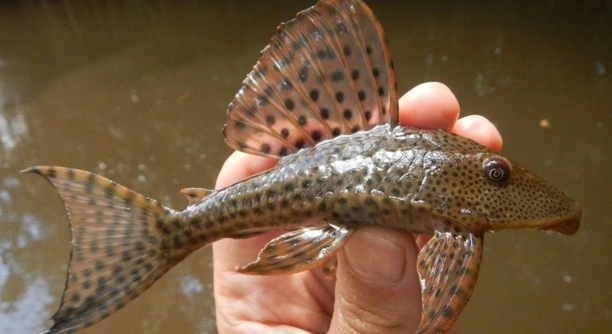
Plecos are fascinating aquarium fish that require specific environments to thrive. One key factor in their well-being is the substrate, as it plays a significant role in their behavior and health. Choosing the right one is crucial.
Plecos tend to prefer substrates that provide both hiding spots and surface texture. They often favor sand or fine gravel, as it mimics their natural environment. These substrates also allow them to sift through the particles, promoting natural feeding behaviors.
Understanding which substrates plecos prefer will help create a more comfortable and enjoyable habitat for them. Keep reading to discover the best options for your plecos.
Sand: A Natural Choice for Plecos
When it comes to plecos, sand is often the best option. It closely resembles their natural riverbed environment, offering a smooth surface that is gentle on their sensitive barbels. Plecos enjoy sifting through sand, and it allows them to engage in natural behaviors like foraging. Plus, the fine texture makes it easier for them to find food without getting hurt.
Sand also has the benefit of being easy to maintain. It doesn’t compact like gravel, which reduces the risk of harmful toxins building up. Regular vacuuming helps to keep it clean and free of waste. However, it’s important to use aquarium-grade sand to avoid chemicals that could harm your fish.
Additionally, sand can provide a sleek, clean look to your tank. It helps to maintain a stable pH level, which is essential for the health of your plecos. However, some types of sand can affect the water’s hardness, so it’s important to choose one that fits the needs of your aquarium.
Gravel: A Versatile Option
Gravel is another popular choice, offering more texture than sand while still being easy to clean. It can mimic natural riverbeds in a different way, providing crevices for plecos to hide and explore.
River Rock: Adding Natural Beauty
River rock provides a more rugged appearance that plecos seem to enjoy. The smooth, round edges make it gentle on their sensitive bodies, while the crevices between the rocks offer hiding spaces. It also allows plecos to graze naturally, though it can be harder to clean than sand.
While river rock does not offer the same feeding opportunities as sand, it can provide aesthetic value to your tank. Many plecos love hiding among the rocks, which adds to their overall comfort. You’ll often see them resting or searching for algae in the nooks between the rocks.
However, river rock can become a bit more challenging to maintain. Waste and debris can collect between the rocks, requiring more frequent cleaning. This type of substrate also tends to hold heat, so it’s important to monitor your tank’s temperature to avoid any potential issues.
Fine Gravel: A Balanced Option
Fine gravel is another middle-ground option, offering a balance between sand and larger stones. It provides enough texture for plecos to feel comfortable, while still allowing for natural sifting behaviors.
Coconut Husk: Pleco-Friendly and Durable
Coconut husk provides a unique and durable substrate for plecos. It offers a slightly rough texture that plecos enjoy, allowing them to dig and explore. It also retains moisture, creating a natural feel. Coconut husk is a great choice if you want to add variety to your tank.
The husk material is not only safe for plecos but also promotes healthy water conditions. As it breaks down over time, it releases tannins that can slightly acidify the water, which some plecos prefer. However, it can require occasional maintenance to keep it from becoming too saturated or moldy.
This substrate works well for plecos that enjoy hiding, as it provides numerous crevices and nooks. It also makes for a visually appealing tank, adding an organic, earthy aesthetic to your setup.
Slate: Easy to Clean, Great for Hiding
Slate can be a great option due to its smooth, flat surface. Plecos enjoy the hiding spaces between the slate tiles, where they can retreat and feel secure. It’s also easy to clean and won’t trap debris like other substrates.
Soil-Based Substrates: Enhancing Algae Growth
Soil-based substrates are an interesting choice for plecos, especially if you are interested in promoting algae growth. These substrates are nutrient-rich and can help grow plants that plecos enjoy grazing on. The soil also provides a soft surface that plecos find comfortable.
FAQ
What is the best substrate for plecos?
The best substrate for plecos is often sand or fine gravel. Sand mimics their natural environment, allowing them to sift through it naturally, while fine gravel offers texture and hiding spots. Both are easy to maintain and provide a comfortable habitat.
Can plecos live in gravel?
Yes, plecos can live in gravel. It provides hiding spots and opportunities for foraging, although it’s not as ideal as sand for sifting. When choosing gravel, make sure the pieces are smooth and not too large, as rough edges can damage their delicate barbels.
Do plecos need a specific type of substrate?
Plecos don’t need one specific type of substrate, but they do benefit from textures they can interact with. They thrive in sand, fine gravel, or even coconut husk. It’s more important to avoid sharp materials that could harm their barbels and skin.
Is sand or gravel better for plecos?
Both sand and gravel are suitable for plecos, but sand is often preferred because it allows plecos to sift through it, which is part of their natural feeding behavior. Gravel, while still acceptable, can sometimes trap debris and be harder to clean.
Can plecos live in a planted tank with soil-based substrates?
Yes, plecos can live in a planted tank with soil-based substrates. These types of substrates help promote healthy plant growth, which plecos enjoy grazing on. However, soil-based substrates can become messy and require regular cleaning to maintain water quality.
Do plecos need hiding spots in their tank?
Plecos love having hiding spots in their tank. They are naturally shy fish and need places to retreat when feeling stressed or insecure. You can provide hiding spots by using rocks, caves, or even driftwood, which will make them feel safe.
How often should I clean the substrate for plecos?
Substrate cleaning should be done regularly, but not too often. You should aim to clean the substrate every 2-3 weeks, depending on the size of your tank and the number of plecos. Sand and fine gravel are easier to clean than river rocks or slate, so adjust your cleaning schedule accordingly.
Can I use colored gravel for plecos?
While you can use colored gravel, it’s best to avoid brightly colored or artificial types. Plecos are more comfortable in natural-looking environments, so it’s better to use neutral-colored gravel that mimics their natural surroundings. The color doesn’t affect their health but can impact their stress levels.
What’s the best way to maintain pleco-friendly substrate?
To maintain pleco-friendly substrate, you should vacuum the substrate regularly, remove waste, and check for any excess buildup of organic matter. Avoid overfeeding your plecos, as leftover food can contribute to substrate contamination. Regular water changes will help maintain a healthy environment.
Can plecos live in sand without a filter?
While plecos can live in sand without a filter, it’s not ideal. A filter helps remove debris and maintains water quality, which is essential for the health of your plecos. If you’re using sand, it’s even more important to have a good filtration system to prevent any waste buildup.
Do plecos need a substrate to survive?
No, plecos can technically survive without a substrate, but it’s not ideal. They need a substrate to feel comfortable, engage in natural behaviors, and graze on food. A well-chosen substrate also helps maintain water quality and provides hiding places to reduce stress.
What type of substrate is best for breeding plecos?
For breeding plecos, sand is often the best choice, as it doesn’t disturb the eggs when laid. It also keeps the breeding environment clean and helps maintain water conditions that plecos prefer. Ensure that there are plenty of hiding spots to encourage natural breeding behaviors.
Can I mix different types of substrate for plecos?
Yes, mixing different types of substrate can work as long as they are safe for plecos. For example, you can combine fine gravel with sand to provide both texture and hiding spots. Just be mindful of how the substrates interact and make sure they don’t pose a risk to your fish.
Is it safe to use river rocks for plecos?
River rocks can be safe for plecos as long as they have smooth edges. Sharp or jagged rocks can injure their delicate barbels. River rocks also provide hiding spots and a natural aesthetic, but they can be more challenging to clean compared to sand or fine gravel.
Are coconut husks safe for plecos?
Yes, coconut husks are safe for plecos. They offer a soft, textured surface that plecos can dig into and hide under. The husk material is also durable, making it a long-lasting option for your tank. Just keep an eye on moisture levels to prevent mold buildup.
How can I tell if the substrate is too harsh for my pleco?
If your pleco is struggling to swim, feed, or seems to be scratching against the substrate, it could be too harsh. Check the edges of the substrate; rough, jagged materials can damage their barbels. Soft, smooth surfaces like sand or fine gravel are best for their comfort and health.
Final Thoughts
Choosing the right substrate for your plecos is essential for their overall health and well-being. While there are various options available, it’s important to consider what will make your plecos feel comfortable. A good substrate should mimic their natural environment, allowing them to engage in behaviors like sifting or hiding. Materials like sand or fine gravel are often the most recommended, as they provide smooth surfaces and opportunities for grazing. However, each pleco and aquarium setup may have specific needs, so it’s useful to assess all factors before making your final decision.
In addition to the substrate, it’s crucial to remember that plecos need a clean, well-maintained tank. Substrate alone isn’t enough to keep your fish happy. Regular cleaning, water changes, and proper filtration are just as important. The right substrate can help maintain water quality, but it should be part of a broader care routine. Keep an eye on any build-up of waste or debris in the substrate, as this can lead to water quality issues. Providing hiding spots and considering your plecos’ preferences will help create a healthy, stress-free environment.
Ultimately, the best substrate for plecos will depend on your setup and your fish’s needs. While sand and fine gravel are popular choices, other options like coconut husk or river rocks may work well too, depending on your aquarium’s theme and the comfort level of your plecos. Be sure to choose materials that promote natural behaviors, offer a safe environment, and are easy to maintain. By considering all these factors, you can ensure your plecos thrive in their home, leading to a happier and healthier aquarium.

Hello,
If you enjoy the content that we create, please consider saying a "Thank You!" by leaving a tip.
Every little bit helps us continue crafting quality advice that supports the health, happiness, and well-being of pets around the world, for pets of all shapes, sizes, and species.
We really appreciate the kindness and support that you show us!