
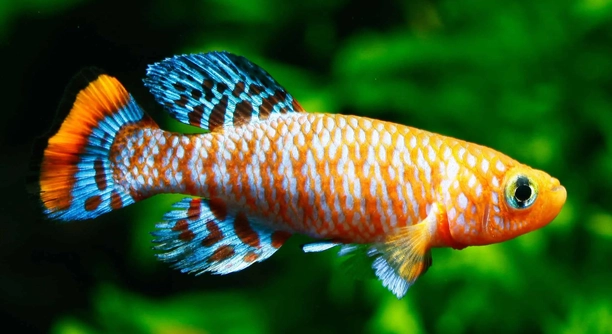
Killi fish are popular for their bright colors and unique breeding habits. Many hobbyists enjoy raising them but sometimes struggle with finding the right environment. One important factor is choosing the best substrate for breeding success.
Selecting the appropriate substrate for killi breeding is crucial to provide a safe and supportive environment. Different substrates affect water quality, egg attachment, and fry development. The right choice improves survival rates and encourages healthy breeding behavior.
Understanding how substrate impacts killi breeding can help improve your aquarium setup and increase your chances of raising healthy fry successfully.
Peat Moss: A Natural Favorite for Killi Breeding
Peat moss is a common choice for breeding killifish because it mimics their natural environment well. It has a soft texture that allows eggs to easily attach and hide, providing protection from predators and currents. Peat also helps lower pH and soften the water, which is ideal for many killifish species. It retains moisture well, keeping the substrate damp without becoming waterlogged, which supports egg development. Many breeders prefer peat moss for its simplicity and effectiveness, especially when breeding species that lay eggs in soft, fibrous materials. However, peat can sometimes darken the water, which may affect tank visibility. Regular monitoring of water parameters is important when using peat to keep conditions stable for the eggs and fry.
Peat moss’s natural properties create a secure breeding area and help maintain favorable water conditions for killifish eggs.
Using peat moss requires attention to water quality to avoid excessive acidity. Rinsing peat before use can reduce tannins, which discolor water. Many keepers combine peat with fine sand or leaf litter to improve texture and drainage. This mix can better support the eggs while still preserving the soft, natural feel that killifish prefer. Overall, peat moss offers an accessible and effective substrate choice for most killifish breeders.
Gravel: A Durable and Practical Option
Gravel is easy to clean and provides a stable base for the aquarium.
Gravel is less natural but works well for killifish that do not bury their eggs deeply. It prevents eggs from being buried too far and allows good water circulation around them. Smooth, fine gravel reduces the risk of eggs getting stuck or damaged. It is durable and easy to maintain, making it popular for breeders who want a low-maintenance setup. However, gravel does not hold moisture like organic substrates, so extra care is needed to keep eggs hydrated in breeding tanks. Gravel is best suited for species that deposit eggs on the substrate surface or among plants. Many breeders add leaf litter or spawning mops to gravel tanks to provide egg attachment points and hiding places for fry. This helps combine gravel’s durability with natural features to encourage successful breeding.
Sand: Gentle and Accessible Substrate
Sand offers a soft surface where killifish can lay eggs without damage. It is easy to find and affordable, making it a popular choice for many breeders.
Sand’s fine grains create a gentle environment that prevents eggs from getting crushed. It allows eggs to settle safely and supports good water circulation. However, sand can compact over time, which may reduce oxygen flow to the eggs if not stirred occasionally. Regular cleaning is needed to avoid buildup of waste or debris. Some breeders mix sand with organic materials like leaf litter to create a more natural setting, which helps stimulate breeding behavior and protects eggs.
Because sand is neutral in pH and texture, it works well for many killifish species, especially those that prefer to deposit eggs on or just below the surface. Maintaining good water movement over the sand will keep eggs healthy and prevent fungal growth.
Leaf Litter: Adding a Natural Touch
Leaf litter provides a natural surface for killifish eggs to attach and hide among.
Using leaf litter mimics the killifish’s natural spawning grounds. The leaves offer cover for eggs, reducing the chance of them being eaten by other fish or disturbed by water flow. Leaf litter also releases beneficial tannins into the water, which can lower pH and create soft, acidic conditions preferred by many killifish species. It encourages natural behaviors, such as hiding and egg scattering. However, leaf litter breaks down over time and requires regular replacement to maintain water quality and prevent buildup of harmful substances. Overall, leaf litter improves the breeding environment by offering both protection and a more natural feel in the tank.
Coconut Fiber: Soft and Absorbent
Coconut fiber offers a soft, natural substrate that holds moisture well. It provides a good surface for killifish eggs to attach and stay safe.
This fiber helps keep eggs moist without becoming waterlogged. It also mimics the soft textures found in many killifish habitats, encouraging natural breeding behaviors.
Marbles: Easy Egg Protection
Marbles prevent eggs from getting lost or eaten by separating them from the main substrate.
Using marbles creates gaps that allow eggs to settle safely while water flows freely around them. This method reduces fungal growth and increases survival chances. Many breeders use marbles on top of finer substrates for better results.
Spawning Mops: Convenient Egg Collectors
Spawning mops simulate plants or dense materials for killifish to deposit eggs on. They are easy to clean and reuse.
FAQ
What is the best substrate for breeding killifish?
The best substrate depends on the killifish species and their natural habits. Soft, organic materials like peat moss and leaf litter are excellent for many species because they mimic natural spawning grounds. These substrates hold moisture well and provide safe spots for eggs. Sand and fine gravel also work for species that lay eggs on or near the surface. Using a combination of substrates, like peat with leaf litter or gravel with spawning mops, can improve breeding success by providing both safety and suitable water conditions.
How often should I change or clean the substrate during breeding?
Cleaning frequency depends on the substrate type. Organic substrates like peat moss and leaf litter should be replaced or refreshed regularly to prevent decay, which can pollute the water and harm eggs. Gravel and sand require gentle cleaning to remove debris without disturbing eggs. Spawning mops can be removed and cleaned separately. Always monitor water quality closely, as poor conditions can lead to fungus or egg loss. Keeping a clean environment helps increase fry survival.
Can I use regular aquarium gravel for killifish breeding?
Regular aquarium gravel can be used, but it may not always be the best choice. Coarse gravel can harm eggs or make it difficult for them to attach properly. Smooth, fine gravel works better but lacks the moisture retention of organic substrates. It’s helpful to add leaf litter or spawning mops on top to provide places for eggs to hide and stay protected. Gravel setups tend to be easier to clean but require careful monitoring of water conditions.
Is sand better than gravel for killifish eggs?
Sand is generally gentler on killifish eggs because its fine grains reduce the risk of damage. It also allows eggs to settle gently without getting stuck. However, sand can compact over time, which may reduce oxygen flow if not stirred or cleaned regularly. Gravel offers more stability but can be rougher for eggs. The choice depends on the species and your ability to maintain the substrate well.
How does leaf litter benefit killifish breeding?
Leaf litter creates a natural environment similar to where many killifish lay eggs in the wild. It provides cover and protection for eggs, helping prevent them from being eaten or disturbed. The tannins released from the leaves help soften the water and lower pH, which many killifish prefer. Leaf litter also encourages natural spawning behaviors. However, it breaks down over time, so regular replacement is necessary to keep water quality high.
Can I breed killifish without any substrate?
It is possible to breed some killifish species without substrate by using spawning mops or artificial plants. These materials give the fish places to lay eggs that are easy to collect. However, many species benefit from substrate that mimics their natural conditions, which helps reduce stress and increases egg survival. Without substrate, extra care is needed to protect eggs from being eaten or damaged.
What substrate prevents fungus on killifish eggs?
Substrates that allow good water circulation and oxygen flow help prevent fungus. Marbles and spawning mops are effective because they separate eggs and improve water movement around them. Organic substrates like peat moss and leaf litter may require more monitoring since they can hold moisture but also harbor decay if not changed regularly. Adding antifungal treatments can help, but substrate choice plays a major role in keeping eggs healthy.
How do I prepare substrate before breeding killifish?
Prepare substrate by rinsing it thoroughly to remove dust and impurities. For organic materials like peat or leaf litter, soaking or boiling may reduce unwanted bacteria or parasites. Some breeders add tannins or other natural water conditioners to mimic wild water chemistry. Ensure the substrate is moist but not waterlogged. Setting up the tank a few days before introducing the fish helps stabilize conditions for successful breeding.
Are there substrates to avoid when breeding killifish?
Avoid sharp or coarse substrates that can damage eggs or fry. Also, substrates that change water chemistry drastically without control can harm eggs. For example, some cheap gravel or sand may contain harmful substances or alter pH unexpectedly. Synthetic materials that don’t hold moisture or support egg attachment are less suitable. Always research your species’ natural habitat to choose the closest match.
Can I mix substrates for better breeding results?
Yes, mixing substrates is often beneficial. Combining peat moss with sand or leaf litter with fine gravel creates a more natural environment and improves egg protection. Mixed substrates can balance moisture retention, water flow, and stability. This encourages spawning and increases the chance of egg survival. Experimenting with combinations helps find what works best for your specific killifish species.
Choosing the right substrate for breeding killifish is an important step that can make a big difference in your success. Each type of substrate has its own benefits and challenges, so understanding these can help you provide the best environment for your fish. Soft and natural materials like peat moss, leaf litter, and coconut fiber often work well because they mimic the killifish’s natural habitat. These substrates help keep the eggs safe and maintain the water conditions needed for healthy development. However, they require regular maintenance to prevent water quality issues. On the other hand, harder substrates like gravel and marbles are easier to clean and can protect eggs by improving water flow, but they may not suit all killifish species. Picking a substrate that fits your fish’s needs and your care routine is key.
It is also important to remember that no single substrate will be perfect for all killifish species. Some prefer to lay eggs on soft, fibrous materials, while others might do better on sand or gravel. Mixing substrates can often provide the best of both worlds, offering a stable base with areas that encourage natural spawning behavior. Keeping the water clean and stable is just as important as the substrate choice. Monitoring pH, temperature, and cleanliness helps prevent problems like fungus or poor egg development. Using spawning mops or marbles can also improve egg survival by making collection easier and protecting eggs from being eaten or damaged.
Ultimately, patience and observation are essential when breeding killifish. Watching how your fish interact with different substrates and adjusting your setup based on what you see will increase your chances of success. Whether you choose peat moss, sand, leaf litter, or gravel, paying attention to water quality and providing a safe environment will help your killifish thrive. Breeding killifish can be rewarding, and the right substrate plays a big role in making the process smoother and more successful. Taking time to learn about your species’ needs and being willing to adapt will lead to better results and a healthier aquarium overall.

Hello,
If you enjoy the content that we create, please consider saying a "Thank You!" by leaving a tip.
Every little bit helps us continue crafting quality advice that supports the health, happiness, and well-being of pets around the world, for pets of all shapes, sizes, and species.
We really appreciate the kindness and support that you show us!