
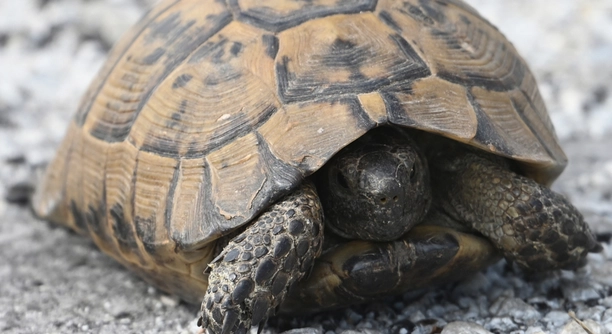
Do you ever find your Greek tortoise displaying aggressive behavior, making interactions more challenging than expected? Understanding the reasons behind their aggression is essential for creating a calm and stress-free environment for both you and your pet.
Greek tortoise aggression often stems from territorial instincts, stress, or competition for resources. Identifying triggers and implementing strategies like proper habitat setup, controlled social interactions, and consistent handling can help reduce aggression and promote a more peaceful coexistence with your tortoise.
Managing your tortoise’s behavior requires patience and the right approach. By following these strategies, you can create a comfortable space that encourages natural behaviors while minimizing aggression.
Understanding Greek Tortoise Aggression
Greek tortoises may show aggression for various reasons, including stress, lack of space, or competition. Males are more likely to display dominance, especially if housed with other males. Biting, ramming, and chasing are common signs of aggression. Observing these behaviors can help you identify patterns and prevent conflicts. Proper habitat design plays a key role in minimizing aggressive tendencies. Ensuring enough space, hiding spots, and food availability reduces stress. A crowded enclosure can lead to territorial disputes, so providing separate areas for each tortoise can help. Environmental factors like temperature, lighting, and diet also influence behavior. Keeping these elements balanced encourages a calm and comfortable tortoise.
If aggression persists, identifying specific triggers is essential. Pay attention to interactions, feeding times, and any environmental changes. Tortoises may act out due to new surroundings or unfamiliar tank mates. Consistency and gradual adjustments can ease tensions.
A well-structured habitat and routine create stability, making your tortoise feel safe. With careful observation and adjustments, you can significantly reduce aggression and ensure a peaceful environment.
Creating a Proper Habitat
A spacious enclosure is essential for a Greek tortoise’s well-being. Limited space can lead to stress and aggression. Providing at least ten square feet per tortoise allows them to roam freely without feeling confined.
To create a balanced habitat, use a mix of dry and moist areas, offering natural hiding spots with rocks, logs, and plants. Tortoises need places to retreat when feeling overwhelmed. A basking area with proper heat and UVB lighting helps regulate behavior by ensuring they receive the necessary warmth and nutrients. Avoid overcrowding, as too many tortoises in one space can increase territorial behavior. A clean environment with fresh water and a nutritious diet supports their health and reduces irritability.
Monitoring their daily behavior helps you recognize potential stressors. If aggression increases, making small changes to their surroundings can create a more relaxed and harmonious habitat.
Handling Aggressive Behavior
Slow, steady movements help prevent startling your tortoise. Quick or unpredictable actions can cause stress, making aggression worse. When handling, support their body fully and avoid grabbing them from above, as this mimics a predator’s attack and can trigger defensive behavior.
Introducing new tortoises should be done carefully. Place them in separate enclosures at first, allowing them to see each other without direct contact. Gradually increase supervised interactions while watching for aggressive signs like head bobbing or biting. If aggression occurs, separate them immediately and try again later. A slow introduction can help them adjust without feeling threatened.
Food competition can also lead to aggression. Offering multiple feeding stations ensures that all tortoises have access to food without fighting. Feeding them separately or in a larger area helps reduce tension. A calm feeding environment prevents unnecessary stress and keeps mealtimes peaceful.
Encouraging Positive Social Interactions
Some tortoises do well with companions, while others prefer solitude. If aggression arises, it’s best to separate them. Keeping incompatible tortoises together can lead to stress and injury. Providing individual spaces within a shared enclosure may reduce tension and encourage peaceful coexistence.
Observation is key to understanding social behavior. Watch how your tortoises interact and adjust their living conditions if necessary. If one tortoise consistently dominates another, it’s best to house them separately. For those that tolerate each other, offering enrichment like climbing structures and hiding spots can keep them engaged. This minimizes territorial disputes and encourages natural behaviors.
A peaceful environment requires patience and careful management. By recognizing aggressive tendencies early, you can make necessary adjustments to housing, diet, and handling. Creating a safe and enriched space allows your tortoise to feel secure, leading to calmer interactions and a happier life.
Reducing Stress Triggers
A noisy or chaotic environment can make a tortoise feel threatened. Keep their enclosure in a quiet area away from loud noises and heavy foot traffic. Sudden movements or frequent disturbances can increase stress, leading to more aggressive behavior. A calm setting encourages a more relaxed tortoise.
Temperature fluctuations can also cause stress. Ensure their habitat maintains a stable temperature with proper heat and UVB lighting. Too much heat can make them irritable, while too little can affect their metabolism. Consistently monitoring their environment helps prevent unnecessary stress and aggressive tendencies.
Establishing a Consistent Routine
Tortoises thrive on routine. Feeding them at the same time each day and keeping handling sessions predictable helps them feel secure. Unpredictable changes can cause stress and lead to defensive behavior. Keeping their environment stable and interactions consistent encourages trust and reduces aggression over time.
Recognizing Signs of Illness
A normally calm tortoise that suddenly becomes aggressive may be in pain. Watch for signs like loss of appetite, lethargy, or difficulty moving. Health issues can cause discomfort, making them more irritable. If you notice unusual behavior, consult a reptile veterinarian to rule out underlying medical conditions.
FAQ
Why is my Greek tortoise suddenly aggressive?
A sudden change in behavior can be caused by stress, illness, or environmental issues. If their enclosure is too small, overcrowded, or lacks proper hiding spots, they may become territorial. Temperature fluctuations, poor diet, or lack of UVB lighting can also contribute to aggression. If your tortoise was previously calm but is now acting out, check for any recent changes in their environment. Health issues can also make them irritable, so if aggression persists, a vet check-up may be necessary.
Can Greek tortoises live together peacefully?
Some Greek tortoises tolerate companions, while others prefer solitude. Males are more likely to show dominance and may fight if housed together. If keeping multiple tortoises, ensure there is enough space, multiple hiding spots, and separate feeding areas to prevent conflicts. Introducing new tortoises should be done gradually to minimize stress. If aggression continues despite adjustments, separating them may be the best option.
How do I safely introduce two Greek tortoises?
Place them in separate enclosures first, allowing them to see each other without direct contact. After a few days, introduce them in a neutral space where neither tortoise feels territorial. Watch for aggressive behaviors like ramming or biting. If aggression occurs, separate them immediately and try again later. Patience is key to a smooth introduction.
What should I do if my tortoise bites me?
If your tortoise bites, remain calm and avoid sudden movements. Gently place them back in their enclosure and give them space. Biting can be a sign of stress, fear, or mistaken identity if they think your hand is food. Avoid hand-feeding and wash your hands before handling to remove food scents.
Does handling make aggression worse?
Frequent handling can stress some tortoises, especially if they are not used to it. If they react aggressively, try reducing handling time and moving more slowly when picking them up. Always support their body fully and avoid sudden movements. Over time, they may become more comfortable and less defensive.
Can diet affect aggression in Greek tortoises?
An improper diet can lead to irritability. A diet lacking calcium, fiber, or essential nutrients can impact their mood and overall health. Provide a variety of leafy greens, vegetables, and occasional fruits. Ensure they have access to fresh water and a calcium source, like cuttlebone, to keep them healthy and balanced.
Why does my tortoise chase other tortoises?
Chasing is often a sign of dominance, especially among males. It can also be a mating behavior. If the chasing is persistent and leads to stress or injury, separating them may be necessary. Providing more space and hiding spots can help reduce territorial disputes and lessen aggressive behaviors.
Should I separate my tortoise if it shows aggression?
If aggression leads to injuries or constant stress, separation is the best solution. Some tortoises do not tolerate tank mates and prefer to live alone. Housing them separately ensures a peaceful environment and prevents unnecessary stress for both tortoises.
Can a Greek tortoise’s aggression be permanent?
Aggression can often be managed with the right adjustments. Once stressors are reduced, and their environment is optimized, most tortoises become calmer. However, some individuals have naturally dominant personalities. If aggression persists despite changes, they may simply prefer being alone. Respecting their needs will lead to a happier tortoise.
Final Thoughts
Managing Greek tortoise aggression requires patience, observation, and the right approach. Understanding the causes of aggressive behavior, such as territorial instincts, stress, or environmental factors, helps in creating a calm and safe space. Small changes, like providing a larger enclosure, adding hiding spots, and maintaining a proper diet, can make a significant difference. A tortoise that feels secure is less likely to act out. Regularly monitoring their behavior and making necessary adjustments ensures their long-term well-being. Consistency in handling and daily routines also plays a key role in reducing stress and promoting trust.
Each tortoise has a unique personality, and some may always be more dominant than others. While certain behaviors can be minimized, aggression may never fully disappear in some individuals. If a tortoise continues to display aggression despite environmental changes, it may simply prefer solitude. In such cases, separating them from other tortoises is the best option. Paying attention to their behavior and respecting their needs allows them to live more comfortably. If health issues are suspected, consulting a reptile veterinarian is important to rule out medical problems that could be contributing to their aggression.
Creating a peaceful environment for your tortoise takes time, but the effort is worth it. A well-balanced habitat, proper care, and careful social interactions contribute to a happier and healthier tortoise. By staying consistent and making adjustments when needed, you can help reduce aggressive tendencies and improve their quality of life. Understanding their natural behaviors and giving them space when necessary ensures they feel safe and comfortable. With the right approach, your tortoise can thrive in a stress-free and enriched environment.

Hello,
If you enjoy the content that we create, please consider saying a "Thank You!" by leaving a tip.
Every little bit helps us continue crafting quality advice that supports the health, happiness, and well-being of pets around the world, for pets of all shapes, sizes, and species.
We really appreciate the kindness and support that you show us!