
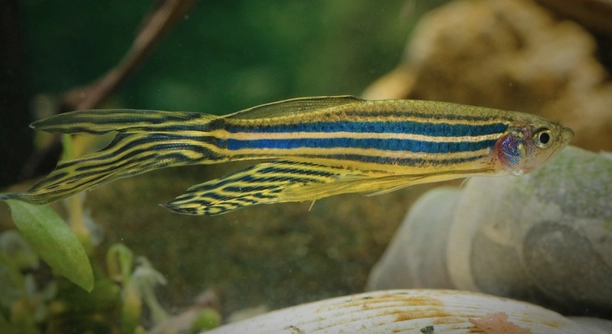
Do your zebra danios sometimes act oddly, leaving you unsure if their behavior is normal or something to worry about? These tiny fish can display habits that seem strange but are usually harmless.
Many unusual behaviors in zebra danios, such as erratic swimming or sudden pauses, are not typically signs of illness. These actions are part of their natural behavior and are influenced by their environment, instincts, and social interactions.
Some habits may look alarming at first, but understanding what they mean can help you care for your fish with more confidence.
They Chase Each Other Constantly
Zebra danios are known for chasing one another around the tank. This may seem like aggressive behavior, but it’s usually a sign of play or establishing a social order. These fish are very active and enjoy interaction with their tank mates. Chasing can also be related to mating behavior or simply a way to burn off energy. It’s important to observe the context. If there’s no fin nipping or visible stress, it’s typically nothing to worry about. In a well-balanced group, this type of activity helps them feel stimulated and engaged, as they rely on social interaction to stay healthy.
Some chasing may look intense, but it doesn’t usually lead to injury or stress when the tank is properly maintained and not overcrowded.
If one fish is always being chased or shows signs of stress like hiding or loss of appetite, consider checking your tank setup. Adding more plants or decorations can help.
They Hover in Place
Zebra danios sometimes appear to hover in one spot, not swimming actively. This is a normal behavior and doesn’t usually signal a health issue.
They often hover when resting or watching their surroundings. It’s common in calm tank conditions and especially after bursts of activity. If they’re not gasping at the surface or lying at the bottom, hovering is typically harmless. They may also do this near filters or in corners where they feel secure. It’s a way for them to stay alert while conserving energy. However, if this behavior comes with changes in eating or swimming patterns, it may be worth checking water quality or adjusting the flow in your tank.
They Swim Against the Filter Current
Zebra danios are naturally drawn to water movement and will often swim against the filter current. This isn’t a sign of distress—it’s actually a form of exercise for them. They enjoy staying active and engaging with the flow of water in their environment.
Swimming against the current helps them stay fit and stimulated. It mimics the fast-moving streams they come from in the wild. If the current isn’t too strong, this behavior is completely safe and even beneficial. It gives them something to interact with, especially in tanks that may otherwise be too still. As long as they aren’t being pushed around or showing signs of exhaustion, it’s best to let them enjoy it. You can watch how they respond and make sure the filter flow is not overwhelming for smaller or weaker fish in the group.
Some danios may spend more time in the current than others. This is normal and based on their personality. Others might prefer calmer areas in the tank, and that’s okay too. If you notice they’re struggling to swim or getting pinned in place, it might be a sign the filter flow is too strong. In that case, try adjusting the filter direction or adding plants to break up the flow.
They Peck at Each Other’s Sides
Pecking at each other’s sides can seem like aggression, but for zebra danios, it’s often about social behavior. They may be establishing rank or engaging in brief dominance displays. It’s part of how they communicate.
This behavior is more common when they’re kept in smaller groups. Zebra danios are schooling fish and feel safer and more stable when kept in larger groups of at least five or six. Pecking can decrease when the group size increases because it spreads out the social tension. As long as there’s no sign of injury or continuous stress, this habit usually balances out over time. Providing plenty of swimming space and visual barriers like plants or decorations can also help reduce this behavior. A crowded tank or lack of stimulation may lead to more frequent pecking, so regular observation and a good setup make a difference.
They Rest at Odd Angles
Sometimes zebra danios rest at a slant or hover with their heads slightly tilted. This can look strange, but it’s often just a relaxed position. They do this when they feel safe and are taking a break.
It’s more common during low light or early morning hours. As long as they respond to movement and feed normally, it’s not concerning.
They Become Hyper After Water Changes
Fresh water can stimulate zebra danios and cause a sudden burst of energy. This is normal and often a sign they’re reacting to a cleaner, oxygen-rich environment. They may zoom around the tank, interact more, or chase each other briefly. These behaviors usually calm down within a short time.
They Eat Then Spit Out Food
This habit is common and usually means the food is too big or too dry. They often spit it out and try again.
FAQ
Why do my zebra danios chase each other so much?
Chasing is one of the most common zebra danio behaviors. It’s often part of their natural play and social interactions. They use chasing to establish a loose pecking order within the group, and sometimes it’s related to mating behavior. As long as no fish are getting hurt, hiding constantly, or showing signs of stress, this chasing is harmless. It’s more frequent in smaller groups where social tension isn’t as balanced, so keeping at least five or six danios together helps reduce this kind of activity. Also, make sure there’s enough swimming space to avoid overcrowding.
Is it okay that my zebra danios won’t stop swimming?
Zebra danios are very active and rarely sit still. Constant swimming is completely normal for them and is actually a sign they’re healthy and feeling good in their environment. They naturally come from fast-moving waters and are built for motion. However, if their movement seems frantic, if they’re crashing into things, or constantly swimming along the glass, it could signal stress, poor water quality, or boredom. Check the tank conditions and make sure they have plenty of open space, plants, and hiding spots to feel secure.
Why do they sometimes look like they’re fighting?
What looks like fighting is usually a mix of playing, social sorting, or mating behavior. Zebra danios can be nippy, especially if the group is too small or if there’s not enough space in the tank. Nipping that doesn’t result in injury or stress is usually not a concern. However, if one fish is being targeted more than the others or if you see missing scales or torn fins, it’s a sign that you may need to rework the tank setup. Try adding more plants, hiding spaces, or even increasing the group size to help balance the aggression.
Do zebra danios sleep?
Yes, zebra danios sleep, but not in the way you might expect. They don’t close their eyes or lie down like mammals. Instead, they hover in place or rest near the bottom of the tank, often with their heads slightly lowered. They become less active and more still during nighttime or low light conditions. If they’re not moving much but still respond when the lights come on or if you approach the tank, they’re likely just resting. Sleep is important for their health, so try to give them a regular light-dark cycle.
Is it normal for them to lose some color at times?
Zebra danios can sometimes appear duller, especially at night or when they’re stressed. It’s normal for them to lose a bit of color when resting, during water changes, or after being moved. However, if the pale color lasts for a long time, or is paired with clamped fins or loss of appetite, it may mean something is wrong. Check your water parameters, reduce any sudden noise or movement near the tank, and make sure the temperature stays consistent. Good tank conditions will help their color return to normal.
Can zebra danios live alone?
Zebra danios are not meant to live alone. They are schooling fish and need to be kept in groups to feel safe and act naturally. When kept alone, they can become stressed, inactive, or overly skittish. A minimum of five is recommended, but more is even better if you have the space. Keeping them in a group helps spread out social behaviors like chasing and nipping, and it lets them form a more stable dynamic. You’ll also see more natural and active behavior when they’re surrounded by others.
Why are they rubbing themselves on objects?
Occasional rubbing or flashing against plants or decorations isn’t always a problem. Sometimes it’s how they react to minor irritation or changes in water. But if it happens often or with other signs like clamped fins, fast breathing, or white spots, it may be a sign of parasites or water quality issues. Test your water, look for visible signs of disease, and if needed, treat accordingly. If everything checks out and the behavior stops, it was likely a short-term reaction.
Do zebra danios get bored?
Yes, they can get bored if the tank is too plain or if there’s not enough to explore. Active fish like zebra danios need stimulation. Adding live plants, decorations, and even changing the layout from time to time can keep things interesting. They also enjoy space to swim and interact with their group. A well-planted tank with good flow and a proper group size keeps them mentally and physically active.
Can zebra danios live with other fish?
They’re generally peaceful and do well in community tanks. Just make sure their tank mates are not too slow or have long, flowing fins, since danios may nip at them out of curiosity or boredom. Good companions include tetras, rasboras, guppies, and small catfish. Avoid larger or aggressive fish that might see them as food. Matching their energy level is important to keeping stress low for everyone in the tank.
Final Thoughts
Zebra danios are small, energetic fish that often show unusual behaviors. At first glance, these habits might seem strange or concerning, especially to new fish keepers. But in most cases, these actions are completely normal. Chasing, hovering, swimming in strong currents, or resting at odd angles are all part of how zebra danios interact with their environment and each other. When kept in the right conditions, they are active and social fish that enjoy having space, clean water, and a group of their own kind. These habits help them stay healthy, both physically and mentally.
Understanding your zebra danios’ behavior can make it easier to care for them. It’s important to observe them regularly so you can tell what is normal for your group. If something changes suddenly, like a drop in energy, loss of appetite, or constant hiding, it may be time to check their environment or look for signs of illness. But for most of their day-to-day habits, even the ones that look odd, there’s usually no need to worry. Many of these actions are tied to their instincts and their need to stay active. Providing enough space, a steady routine, and a few hiding spots helps them feel more secure.
Taking the time to learn about their natural behaviors is part of being a responsible fish keeper. Zebra danios are easy to care for when their needs are met, and watching them interact can be enjoyable and even calming. They bring movement and life to a tank, and their group behavior makes them more interesting than many solitary fish. With the right setup, you’ll find that most of their “weird” habits are just their way of being comfortable in their home. Over time, you’ll start to notice patterns and recognize what’s part of their normal behavior. This helps you respond quickly if anything ever does go wrong, while also allowing you to enjoy them more.

Hello,
If you enjoy the content that we create, please consider saying a "Thank You!" by leaving a tip.
Every little bit helps us continue crafting quality advice that supports the health, happiness, and well-being of pets around the world, for pets of all shapes, sizes, and species.
We really appreciate the kindness and support that you show us!