
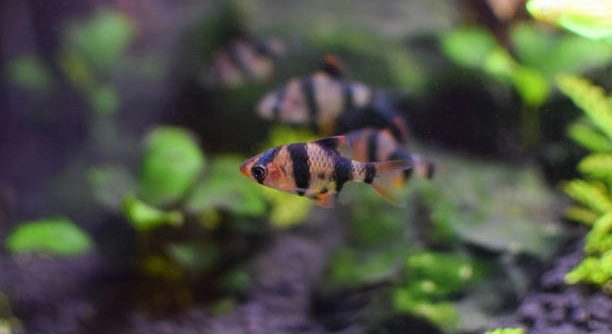
Do your tiger barbs sometimes nibble on things that leave you scratching your head in surprise or slight concern?
Tiger barbs are known to eat a variety of strange items, including plant debris, fish flakes meant for other species, air bubbles, algae off tank glass, fallen scales, shrimp tails, and even soft plastic decorations.
Some of these behaviors are normal, while others could signal dietary gaps or environmental stress worth paying attention to.
Strange Bites in a Community Tank
Tiger barbs are active fish, often seen darting around their tanks with energy. In a community setup, they sometimes nibble on unexpected things. Plant debris is one of the most common odd snacks. If plants are wilting or rotting, tiger barbs may start pecking at the soft edges. They’re not true plant-eaters, but decaying matter can seem like easy food. They’ve also been known to chase and nibble on fish flakes intended for other species. While this doesn’t usually harm them, it may not provide the nutrition they need. Some tiger barbs will nip at the tails of slower fish or even sample floating air bubbles out of curiosity. These small behaviors might not be harmful individually, but they can hint at a larger need for better diet balance or more stimulation. Watching these interactions closely can help you maintain a safer tank environment for all species involved.
This behavior can quickly cause tension in a mixed-species tank if not addressed early.
Keeping tiger barbs engaged with proper feeding and enrichment is the key to preventing them from bothering tank mates. Sometimes, their “nibbling” is more about boredom or opportunity than hunger. Giving them enough swimming space, varied food, and attention to their social needs can help limit this behavior. When you spot unusual nibbling habits, check your feeding schedule first. Tiger barbs need consistent access to protein-rich food like brine shrimp, high-quality flakes, or small pellets. Underfeeding or infrequent feeding can lead them to explore odd objects. Also, maintaining plants and checking for rot can discourage them from tasting decaying leaves. Some owners also notice that tiger barbs peck at the glass when algae builds up—it becomes both a snack and a form of entertainment. Ensuring they are well-fed and stimulated will reduce this. Keep a watchful eye, especially during tank cleanings or after adding new items.
Odd Choices Beyond Food
Plastic decorations can sometimes become targets when tiger barbs are stressed or curious.
While tiger barbs typically stick to edible items, soft plastic or rubbery decorations can draw their attention. These objects might have residue from the manufacturing process or absorb food smells, making them seem edible. Even without scent, tiger barbs occasionally mouth soft edges or textured surfaces. While they rarely ingest large pieces, small fragments can break off and pose a risk if swallowed. It’s important to check all decorations before placing them in your tank. Choose smooth, non-toxic, and aquarium-safe materials. If any item starts to wear or peel, remove it immediately. When tiger barbs lack stimulation or variety in their environment, they are more likely to explore non-food items. Offering live plants, adjustable current flow, and a mix of safe hiding spots can redirect their energy. Always watch for repeated interest in inedible items—it can indicate hunger, stress, or even an issue with water quality.
Unusual Picks from the Bottom
Tiger barbs sometimes eat shrimp tails or leftover fish food that sinks to the bottom. While scavenging is common, it can lead them to try things that aren’t meant for them or are already decomposing.
When tiger barbs eat shrimp tails, it’s usually because they’re leftover from previous feedings or part of a frozen food mix. They’ll grab what’s available, especially if food is scarce or scattered. This isn’t harmful in small amounts, but over time, it can affect digestion if the tails are too hard or sharp. The same goes for fish food meant for bottom-feeders—sinking pellets and wafers can contain ingredients that don’t match their needs. Keeping your tank clean and feeding at surface or mid-level zones helps manage this. Use a feeding ring or target-feeding method so your tiger barbs stay away from the tank floor unless they’re truly scavenging.
Some tiger barbs will even try bits of fallen scales, especially after mild aggression or chasing behavior. If a fish is stressed or injured, the scales may detach and become targets. This can be a sign your barbs are either underfed or too aggressive with tank mates. Over time, eating scales can cause minor digestive irritation. It’s not part of their normal diet and shouldn’t happen often. Providing frequent, well-portioned feedings helps reduce food-seeking behaviors. Adding floating treats like daphnia or mosquito larvae can give them a distraction and keep their focus off the bottom. Watch for signs of aggression or fin-nipping—if it becomes common, your tank may need rearranging or separating species to protect more passive fish.
Feeding Confusion and Misbehavior
Tiger barbs have been seen pecking at algae on the tank glass or filter intake, often when underfed or bored. It looks like grazing, but they aren’t true algae eaters and shouldn’t be expected to clean the tank.
Algae might appear harmless, but it shouldn’t become a tiger barb’s primary food. When they graze on glass, it’s usually due to curiosity or lack of better options. This behavior shows up more when other food sources are scarce, or the tank lacks enrichment. It’s not a problem in moderation, but over time, relying on algae or tank buildup doesn’t support their health. Tiger barbs need consistent access to protein and occasional plant matter. Offer a balanced mix—brine shrimp, flakes, and small veggie-based treats. Also, consider their need for mental stimulation. Add movement with gentle water flow, rotate decorations, or adjust feeding methods. A bored or hungry barb is more likely to try unusual things, even if they aren’t nutritious.
Soft Plants Can Tempt Them
Tiger barbs may nibble on soft aquatic plants like cabomba or anacharis. This often happens when they’re not getting enough vegetable matter in their diet or when they’re feeling extra active and curious in the tank.
Even if your barbs aren’t true plant-eaters, certain textures can tempt them. Soft, flowing leaves are easier to bite and may feel like food when floating freely.
Mistaking Foam and Debris for Food
Occasionally, tiger barbs will nip at floating debris, bubbles, or even surface foam. This behavior usually shows up when they associate the surface with feeding time. Their excitement makes them peck at anything that resembles food or movement.
It’s not uncommon for tiger barbs to rush to the surface when you approach the tank. Over time, they begin to associate any small movement or object with food. This can include harmless things like air bubbles or floating particles. While this isn’t harmful by itself, it can become a sign that your feeding schedule needs adjusting. Small, frequent feedings can help manage this behavior. Using sinking food that disperses gradually can also prevent the rush to the top and reduce mistaken pecking. If your filter output causes bubbles or foam buildup, consider redirecting the flow. You want to limit unnecessary stimuli that confuse feeding responses. Observing their behavior helps you respond early.
When They Taste Everything Once
Young tiger barbs are especially likely to taste random objects, from gravel bits to snail slime trails. It’s usually harmless and driven by curiosity, but it’s still best to monitor them closely during these stages.
What strange things do tiger barbs eat besides their usual diet?
Tiger barbs sometimes nibble on unusual items like plant debris, fallen fish scales, shrimp tails, algae on glass, air bubbles, and even soft plastic decorations. These behaviors usually happen when they are curious, underfed, or bored. While not harmful in small amounts, these items don’t replace their need for proper nutrition.
Is it normal for tiger barbs to eat plant matter?
Although tiger barbs are primarily carnivores, they may occasionally bite soft plants such as cabomba or anacharis. This usually occurs when they lack enough vegetable matter in their diet or simply explore their environment. Soft plants with delicate leaves are more likely to be nibbled on than tough ones.
Why do tiger barbs peck at algae on the tank glass?
Pecking at algae is common when tiger barbs are curious or searching for food. They are not true algae eaters, so this behavior typically appears if other food is scarce or they are bored. It’s important to offer a balanced diet and tank enrichment to reduce this habit.
Can tiger barbs eat plastic decorations?
Tiger barbs may bite at soft plastic decorations, especially if the items have food residue or smells. While they rarely ingest large pieces, small fragments can break off and might pose a risk. Always choose aquarium-safe decorations and remove any that begin to wear or peel.
Do tiger barbs eat shrimp tails or leftover food?
Yes, tiger barbs often scavenge shrimp tails or leftover food on the tank bottom. While not harmful in moderation, consuming too many hard or sharp leftovers can affect their digestion. Keeping the tank clean and feeding properly reduces this behavior.
Why do tiger barbs nibble on fallen fish scales?
Fallen scales usually come from minor injuries during chasing or aggression. Tiger barbs may nibble on these as an easy food source, but it’s not part of their normal diet. Frequent nibbling on scales could indicate underfeeding or stress among tank mates.
How can I prevent tiger barbs from eating strange things?
Feeding a varied and balanced diet is key. Offer high-quality flakes, pellets, frozen or live protein, and occasional vegetable matter. Keep the tank clean, remove decaying plants, and provide environmental enrichment like plants, hiding spots, and gentle water flow. Proper care helps reduce odd nibbling.
Is it harmful if tiger barbs eat bubbles or foam?
Eating air bubbles or surface foam is usually harmless and linked to feeding excitement or confusion. However, if it becomes frequent, it may mean the feeding routine or water circulation needs adjustment. Redirecting filter output and managing feeding can limit this behavior.
Do young tiger barbs eat more strange items than adults?
Yes, juvenile tiger barbs are more curious and likely to taste unusual things such as gravel pieces or snail trails. This natural exploration is usually harmless but should be monitored to prevent ingestion of harmful materials.
What should I do if my tiger barbs show aggressive nibbling behavior?
Aggressive nibbling, like fin nipping or chasing, is common with tiger barbs but should be managed. Provide ample space, hideouts, and consider tank mates carefully. Feeding well and regularly can reduce aggression caused by hunger or boredom. If it persists, separating overly aggressive fish might be necessary.
Tiger barbs are lively and curious fish that often surprise their keepers with unexpected eating habits. Their willingness to try strange items like plant bits, leftover food, or even bubbles shows how active and alert they can be in their environment. While some of these behaviors are normal and harmless, they can sometimes point to needs that are not fully met, such as diet variety, tank cleanliness, or mental stimulation. Observing what your tiger barbs choose to eat helps you better understand their health and comfort levels in the aquarium.
Feeding tiger barbs a balanced and varied diet is essential for their well-being. Providing a mix of protein sources like flakes, pellets, frozen shrimp, and occasional vegetable matter will keep them nourished and less likely to seek out unusual snacks. Also, paying attention to the tank setup is important. Removing decaying plants, avoiding unsafe decorations, and keeping the water clean reduces the chances of your fish nibbling on harmful items. Offering enrichment, such as live plants, hiding places, and gentle currents, gives them outlets for their natural curiosity and energy.
Being mindful of tiger barbs’ strange eating habits can improve both their health and the overall tank environment. If they start nibbling on odd objects frequently, it is often a signal that something needs adjustment, whether it’s feeding routines, tank conditions, or social dynamics. By maintaining good care practices, you create a healthier home where tiger barbs thrive without turning to inappropriate or potentially risky food sources. Paying close attention to their behavior and needs is the best way to keep these lively fish happy and healthy in your aquarium.

Hello,
If you enjoy the content that we create, please consider saying a "Thank You!" by leaving a tip.
Every little bit helps us continue crafting quality advice that supports the health, happiness, and well-being of pets around the world, for pets of all shapes, sizes, and species.
We really appreciate the kindness and support that you show us!