
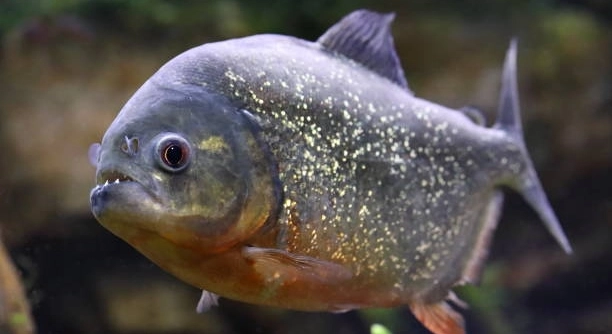
Piranhas are known for their sharp teeth and fierce reputation in the water. These small fish often bite things that may seem unusual or unexpected. Their behavior sometimes surprises those who study them or observe them in their natural habitat.
Piranhas exhibit a range of biting behaviors beyond hunting prey, including biting objects, plants, and even non-food items. This is linked to territorial defense, curiosity, feeding strategies, and environmental interaction, showing their adaptability in various aquatic conditions.
Understanding the strange things piranhas try to bite reveals more about their habits and survival techniques. This article will explore some of these surprising behaviors to give a clearer picture of these fascinating fish.
Strange Objects Piranhas Bite
Piranhas sometimes bite objects that have no nutritional value. They have been seen biting wood, rocks, and even metal parts submerged in water. This behavior is not about feeding but more about exploring their environment or sharpening their teeth. Their teeth grow continuously, so biting hard objects helps keep them sharp and effective for hunting. In addition, biting various objects might be a way to establish dominance among other fish or to mark territory. This instinctive behavior can also occur when food is scarce, leading piranhas to investigate anything unusual. The way they interact with their surroundings shows that their biting is not always aggressive but can serve different practical purposes.
This biting behavior extends to non-food items, serving functions beyond simple feeding. It reflects piranhas’ adaptability and instinctive habits in their habitat.
Understanding why piranhas bite strange objects helps clarify their behavior and highlights their unique adaptations for survival and interaction in aquatic ecosystems.
Piranhas Biting Plants
Piranhas are not exclusively carnivorous. They sometimes bite plants found in their habitat. This action may seem unusual given their reputation, but plants can provide essential nutrients or aid in digestion. In some cases, biting plants helps piranhas remove parasites or clean their teeth. This interaction with plants may also play a role in their overall diet, especially when animal prey is limited. The behavior suggests a flexible diet and adaptation to environmental conditions, showing that piranhas can adjust their feeding habits as necessary to survive. Biting plants can be a sign of opportunistic feeding, which is common in many fish species.
Plant biting is a way piranhas supplement their diet and maintain health when prey availability changes.
Piranhas’ interaction with vegetation offers insight into their resilience. Their ability to consume plants demonstrates dietary flexibility, which can be crucial in fluctuating environments. This adaptability ensures they can sustain themselves when prey is scarce. Moreover, biting plants might help maintain oral health or dislodge parasites, contributing to their overall wellbeing. These behaviors show that piranhas are more complex than just aggressive predators, reflecting an intricate balance between their feeding needs and environmental pressures. Their plant-biting habits reveal a strategic approach to survival, blending carnivorous and herbivorous tendencies in response to available resources.
Piranhas Biting Each Other
Piranhas sometimes bite one another during social interactions. This behavior helps establish hierarchy and reduces conflicts within the group. Biting can be a warning to maintain personal space or a way to show dominance.
Biting among piranhas is common in crowded environments where competition for resources is high. These bites are usually not meant to cause serious injury but to communicate status and prevent larger fights. This behavior maintains order within the school, ensuring a stable social structure. Such interactions help reduce unnecessary energy expenditure on constant fighting.
This biting can also serve as a way to test strength and resolve between individuals. By doing this, weaker fish learn to avoid confrontations, while stronger ones assert control. Overall, this behavior supports group survival and balance.
Piranhas Biting Humans
Piranhas occasionally bite humans, especially when they feel threatened or provoked. These bites are usually defensive rather than predatory. Most bites happen in the dry season when food is scarce, and water levels drop.
Human encounters with piranhas typically occur in shallow waters or near fishing areas. Sudden movements or splashing can trigger a bite. Although bites can be painful, serious injuries are rare. The fish are more likely to bite out of fear than aggression.
Understanding these bite incidents helps promote safer interaction in piranha habitats. Avoiding rapid movements and not entering water during peak feeding times can reduce risk. These precautions ensure coexistence without harm.
Piranhas Biting Inanimate Objects
Piranhas may bite inanimate objects like fishing gear or boats. This happens because they mistake these for food or feel threatened by the unfamiliar presence in their environment.
This biting behavior is more common during the dry season when food sources become limited. It also reflects their natural curiosity and territorial instincts, as they investigate and defend their space against potential threats.
Piranhas Biting Their Own Fins
Piranhas sometimes bite their own fins or those of nearby fish. This behavior could be linked to stress or irritation, possibly caused by parasites or water conditions.
Piranhas Biting Each Other’s Fins
Biting fins of other piranhas can be a way to assert dominance or reduce competition. It serves to keep the group’s social structure stable and discourage aggressive challenges.
Piranhas Biting Floating Debris
Piranhas occasionally bite floating debris in the water. This may be a way to explore or interact with their surroundings, especially when food is not easily available.
Why do piranhas bite things that are not food?
Piranhas bite non-food items mainly to explore their environment and maintain their teeth. Their teeth grow continuously and biting hard objects like rocks or wood helps keep them sharp. Sometimes, biting strange things is a way to establish territory or communicate with other fish. When food is scarce, piranhas may bite anything that seems unusual to investigate if it can be eaten.
Are piranhas dangerous to humans?
Piranhas can bite humans, but serious injuries are rare. Most bites happen when the fish feel threatened or cornered, especially during the dry season when water levels drop and food is limited. Piranhas are more likely to bite defensively than attack intentionally. Avoiding sudden movements or entering their habitat during feeding times reduces the chance of being bitten.
Do piranhas only eat meat?
Piranhas are mostly carnivorous, feeding on fish, insects, and small animals. However, they sometimes bite plants and vegetation to supplement their diet or help with digestion. This shows they can be opportunistic feeders, adjusting their diet based on available resources. Plant biting can also help keep their mouths clean or remove parasites.
Why do piranhas bite each other?
Biting among piranhas helps establish social hierarchy and reduce conflicts. It serves as a warning to maintain personal space or show dominance without causing serious harm. These interactions prevent constant fighting and help maintain order within the group, which is important for their survival.
Can piranhas bite their own fins?
Yes, piranhas sometimes bite their own fins or the fins of others. This behavior may indicate stress or irritation caused by parasites or poor water quality. It can also be a sign of boredom or frustration in captive environments. This fin-biting helps them try to relieve discomfort but can sometimes lead to injury.
What should I do if I get bitten by a piranha?
If bitten by a piranha, clean the wound immediately with fresh water to remove any bacteria. Apply an antiseptic and keep the injury covered to prevent infection. Seek medical attention if the wound is deep or shows signs of infection. Most piranha bites heal quickly with proper care.
Why do piranhas bite floating debris?
Piranhas bite floating debris to explore their surroundings, especially when food is scarce. This behavior reflects their natural curiosity and tendency to investigate anything unusual. Biting debris also helps them stay alert and ready to feed when a real food source appears.
Do piranhas attack boats or fishing gear?
Piranhas sometimes bite boats or fishing gear, likely mistaking them for prey or feeling threatened. This behavior is more common in areas with heavy human activity or during times of low food availability. While these bites rarely cause significant damage, they highlight how piranhas react to changes in their environment.
Piranhas are often seen as dangerous predators, but their biting behavior is more complex than it seems. They do not bite everything they see out of aggression alone. Many times, their bites serve practical purposes like keeping their teeth sharp, exploring their surroundings, or establishing social order within their groups. Their interaction with plants, debris, and even each other shows they are adaptable creatures with behaviors shaped by their environment. Understanding this helps to see them not just as fearsome fish but as animals with instinctive habits that support their survival.
While piranhas can bite humans, these incidents are usually defensive reactions rather than attacks. Most bites happen when the fish feel threatened or during times when food is scarce. People can reduce the chance of being bitten by avoiding sudden movements in piranha habitats and respecting their space, especially in shallow waters during the dry season. This knowledge is important for anyone spending time in regions where piranhas live. It helps promote safe coexistence between humans and these fish, showing that most interactions do not result in harm.
Overall, piranhas demonstrate a range of behaviors beyond their reputation for aggression. Their biting of strange objects, plants, and even each other reveals their complex nature. They adapt to changing conditions and maintain social balance through these behaviors. By learning more about why piranhas bite in various situations, it becomes clear that their actions are rooted in survival and instinct rather than random violence. This perspective allows for a more balanced understanding of piranhas and the role they play in their aquatic ecosystems.

Hello,
If you enjoy the content that we create, please consider saying a "Thank You!" by leaving a tip.
Every little bit helps us continue crafting quality advice that supports the health, happiness, and well-being of pets around the world, for pets of all shapes, sizes, and species.
We really appreciate the kindness and support that you show us!