
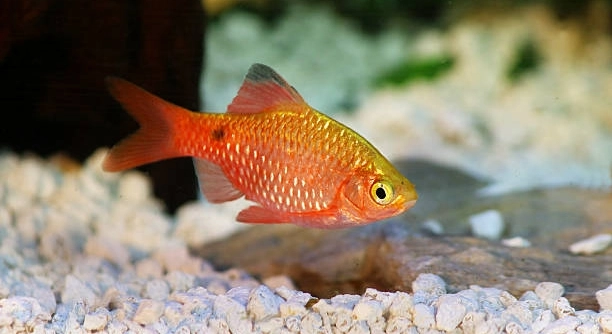
Rosy Barbs are popular freshwater fish known for their vibrant colors and active behavior. Many aquarium owners enjoy keeping them, but some common tank items can cause stress or discomfort. Understanding which items are disliked by Rosy Barbs helps create a better environment for these fish.
Several tank items such as sharp decorations, certain plant types, bright or flashing lights, oversized filters, strong water currents, noisy equipment, and inappropriate substrate can negatively affect Rosy Barbs. These factors can lead to stress, injury, or behavioral changes, reducing their overall wellbeing.
Knowing what to avoid in a Rosy Barb tank supports healthier, happier fish. This article highlights seven unusual items that may harm your Rosy Barbs’ environment.
Sharp Decorations
Sharp decorations in a Rosy Barb tank can cause physical harm. These fish are active swimmers and often dart around their environment. If the tank contains jagged or pointed ornaments, the fish may accidentally scrape or cut themselves. Injuries like torn fins or abrasions can lead to infections or stress, affecting their health and behavior. Many hobbyists choose smooth rocks or polished decorations to avoid these risks. It is important to inspect any new decorations before adding them to the tank. Rounded edges and natural-looking items usually provide a safer environment. Avoiding sharp objects helps maintain the fish’s well-being and reduces the chance of medical issues that require treatment or quarantine.
Decorations should be chosen with safety in mind to ensure a calm and injury-free environment for Rosy Barbs.
Removing sharp items prevents avoidable injuries and promotes a peaceful tank setting, enhancing the overall health of your fish.
Bright or Flashing Lights
Bright or flashing lights can disturb Rosy Barbs because they prefer moderate, steady lighting. Sudden changes in light intensity or constant flashing may startle them, causing stress. Stress can reduce their appetite and weaken their immune system, making them more prone to illness. In natural habitats, these fish experience consistent daylight levels, so mimicking this helps maintain normal behavior. Using dimmable or soft LED lights creates a comfortable environment. It is also beneficial to keep the lighting on a regular schedule, with gradual transitions between day and night. Avoid placing the tank where direct sunlight causes glare or bright reflections. Proper lighting helps keep Rosy Barbs calm and encourages natural activity, coloring, and feeding patterns.
Oversized Filters
Oversized filters create strong water currents that Rosy Barbs dislike. These fish prefer gentle, moderate flow that allows easy swimming and resting.
Strong currents caused by large filters can exhaust Rosy Barbs, forcing them to constantly swim against the flow. This added effort can stress the fish and reduce their activity levels. Moreover, excessive water movement can disturb plants and decorations, making the environment less stable. Adjusting the filter flow or using a pre-filter sponge can help moderate the current. Maintaining a calm water flow supports natural behavior and improves the overall health of Rosy Barbs.
Choosing an appropriately sized filter or controlling the flow rate is essential for a balanced aquatic environment where Rosy Barbs thrive.
Noisy Equipment
Noisy equipment in a tank can stress Rosy Barbs by disrupting their peaceful surroundings. Continuous buzzing, humming, or clicking noises increase anxiety and may alter behavior. Fish rely on stable conditions, and unexpected sounds can cause them to hide or become less active. Quiet equipment ensures a calm habitat, promoting normal swimming and feeding habits.
Regular maintenance and checking equipment placement can reduce noise. Avoid placing tanks near loud household appliances or vibrations. Investing in silent filters, air pumps, or heaters helps maintain a peaceful tank environment. Noise reduction benefits not only Rosy Barbs but the overall aquarium ecosystem, contributing to a stable and healthy home for all aquatic life.
Inappropriate Substrate
Inappropriate substrate can make Rosy Barbs uncomfortable. Sharp gravel or coarse materials may injure their delicate fins or skin.
Soft, smooth substrates like sand or fine gravel are better choices. These allow natural foraging and reduce the risk of damage, supporting healthier fish and a cleaner tank environment.
Certain Plant Types
Some plants are unsuitable for Rosy Barbs because they may have sharp edges or release harmful substances. Plastic plants, in particular, can cause fin tears or stress.
Natural, soft-leaved plants provide hiding spots and mimic the fish’s natural habitat, helping them feel secure and promoting natural behaviors. Choosing the right plants supports the overall wellbeing of Rosy Barbs.
Strong Water Currents
Strong water currents tire Rosy Barbs and disrupt their natural swimming patterns. These fish prefer calmer waters, where they can swim freely without battling the flow.
Maintaining gentle water movement helps reduce stress, encourages normal behavior, and supports better health.
Overcrowding
Overcrowding leads to competition for resources and increased waste, negatively affecting water quality and fish health. Rosy Barbs thrive best in adequately sized tanks with enough space to swim.
FAQ
What types of decorations should I avoid for Rosy Barbs?
Avoid decorations with sharp or rough edges, as Rosy Barbs can injure themselves while swimming quickly. Jagged rocks, broken ceramics, or plastic plants with stiff, pointed leaves are not suitable. Instead, choose smooth stones, driftwood, or soft, natural plants that create a safe environment without causing harm.
How can I tell if my tank lighting is too bright for Rosy Barbs?
If your Rosy Barbs appear stressed, hiding frequently, or showing faded colors, the lighting may be too intense. Bright or flashing lights can cause discomfort. Using dimmable LED lights or placing the tank away from direct sunlight helps create a more natural, comfortable lighting condition.
Why is water current important for Rosy Barbs?
Rosy Barbs prefer moderate to gentle water flow. Strong currents can exhaust them, making it difficult to swim properly. Excessive water movement may also disturb plants and decorations, reducing tank stability. Adjust filter settings or use flow control devices to maintain a gentle current suitable for these fish.
Can noisy equipment harm my Rosy Barbs?
Yes, loud or continuous noises from filters, air pumps, or other equipment can stress Rosy Barbs. Stress affects their appetite, immune system, and behavior. Regular maintenance, proper placement, and investing in quieter equipment reduce noise and create a calm environment.
Is the substrate important for Rosy Barbs?
Substrate choice matters. Rough or sharp gravel can injure fish, especially bottom-dwellers. Fine gravel or sand allows natural foraging without damage. It also makes cleaning easier and helps maintain good water quality, promoting healthier fish.
Are plastic plants safe for Rosy Barbs?
Plastic plants often have hard or sharp edges that may tear fins and cause stress. Natural plants with soft leaves are preferable. They provide shelter and help recreate the fish’s natural habitat, encouraging normal behavior and reducing anxiety.
How do I prevent overcrowding in a Rosy Barb tank?
A good rule is one inch of fish per gallon of water, but because Rosy Barbs are active swimmers, more space is better. Overcrowding leads to stress, poor water quality, and increased disease risk. Provide enough room for swimming and hiding to keep your fish healthy.
What signs indicate my Rosy Barbs are stressed?
Common signs include hiding often, loss of color, decreased appetite, erratic swimming, or clamped fins. Stress can stem from poor water conditions, inappropriate tank items, or aggressive tank mates. Addressing these issues early helps prevent illness.
Can Rosy Barbs live with other fish?
Rosy Barbs are generally peaceful but active. They do well with other similar-sized, non-aggressive species. Avoid very small or slow-moving fish that may become targets. Always research compatibility before adding new fish to prevent stress or injury.
How often should I clean the tank to keep Rosy Barbs comfortable?
Regular partial water changes of 20-30% weekly help maintain water quality. Cleaning the substrate gently and rinsing filter media (in tank water, not tap water) keeps the environment stable. Clean water reduces stress and keeps Rosy Barbs healthy.
Final Thoughts
Creating a comfortable home for Rosy Barbs requires careful attention to their environment. Many common tank items can unintentionally cause stress or harm to these fish. Decorations with sharp edges, strong water currents, or noisy equipment may not seem harmful at first, but they affect the fish’s well-being over time. Choosing smooth, safe decorations and maintaining gentle water flow are simple steps that improve the quality of life for Rosy Barbs. Paying attention to the details of their habitat ensures they remain active and healthy.
Lighting and substrate also play important roles in maintaining a good tank environment. Bright or flashing lights can upset Rosy Barbs, while natural, steady lighting helps keep their behavior normal. The substrate should be soft and smooth, allowing the fish to swim and forage safely without risk of injury. Avoiding plastic plants with sharp edges and overcrowding the tank also contributes to reducing stress. When the tank mimics the fish’s natural surroundings, they show more vibrant colors and better activity levels.
Regular care and observation are necessary to keep Rosy Barbs thriving. Monitoring their behavior can alert you to potential problems in the tank setup. Signs of stress such as hiding, loss of color, or reduced appetite indicate changes are needed. Making adjustments to lighting, decorations, or equipment noise can often resolve these issues. A well-maintained tank provides a stable and safe environment, allowing Rosy Barbs to live healthy, happy lives. Keeping these factors in mind leads to a rewarding experience for both the fish and their keeper.

Hello,
If you enjoy the content that we create, please consider saying a "Thank You!" by leaving a tip.
Every little bit helps us continue crafting quality advice that supports the health, happiness, and well-being of pets around the world, for pets of all shapes, sizes, and species.
We really appreciate the kindness and support that you show us!