
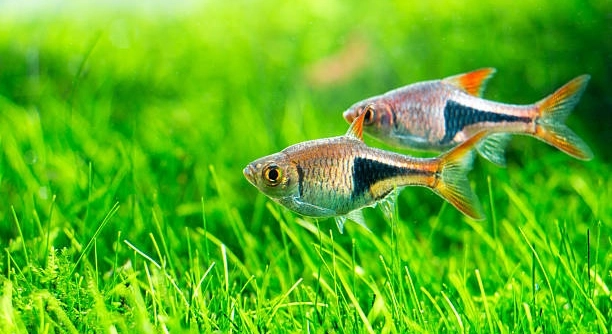
Do your rasboras behave in unusual ways right after feeding, leaving you puzzled by their quirky little routines in the tank?
Rasboras often display unusual behaviors after feeding, ranging from sudden bursts of energy to unique swimming patterns. These habits are linked to their natural instincts, digestion processes, and social interactions, making them fascinating subjects for close observation and understanding.
These small details highlight just how complex and intriguing rasboras can be, offering more than meets the eye in their daily routines.
Strange Swimming Bursts After Meals
Rasboras are known to become unusually active after feeding, darting around the tank with sudden bursts of energy. This behavior may seem random, but it often stems from their natural instincts as foraging fish. In the wild, food is limited and competition can be intense. Their instinct to swim rapidly and assert dominance after eating helps establish social order and signals to others that resources are available. While this habit may appear excessive in a home aquarium, it is generally harmless and reflects their active lifestyle. Understanding this tendency can help you better interpret their post-feeding actions and appreciate their vibrant energy.
This energetic swimming can sometimes cause temporary splashing or mild collisions between fish, but it is rarely a concern. It simply reflects their excitement after eating.
Observing this energetic display offers valuable insight into how rasboras interact with one another. It highlights the importance of feeding them properly, ensuring food is evenly spread so every fish gets its share. Uneven feeding may increase competition, leading to stress or more aggressive swimming bursts. By using sinking pellets or scattering food across the tank, you can encourage calmer behavior while still allowing their natural instincts to shine through.
Hovering in Place After Eating
Rasboras often hover motionless in one spot after finishing a meal, which can give the impression they are resting or conserving energy. This brief pause allows their bodies to focus on digestion and maintain balance.
This hovering behavior is especially common when the water temperature is stable, as warmer conditions can speed up digestion. The act of remaining still reduces energy expenditure and prevents unnecessary stress. While it may look unusual at first, it is simply a sign that their bodies are processing food. For aquarists, recognizing this pattern is important, as it helps differentiate between normal resting and genuine health concerns. A rasbora that consistently isolates itself for long periods may be unwell, but short hovering sessions after feeding are typical. By observing closely, you can identify the difference between natural post-feeding stillness and signs that may require attention, ensuring your rasboras remain healthy and active overall.
Surface Gulping After Feeding
Rasboras sometimes rush to the surface after eating, repeatedly gulping air or snapping at the water’s top. This behavior is not always about hunger but often reflects instinctive reactions tied to their environment.
Surface gulping can happen when tiny food particles float up, drawing their attention. Rasboras are opportunistic feeders, so they quickly adapt and take advantage of leftover scraps near the surface. While it looks unusual, it usually does not signal distress. However, if gulping is constant, it may indicate low oxygen levels or poor water conditions. Watching the frequency of this action can help you identify whether it is harmless feeding or a sign of stress.
Consistent surface gulping may also stem from a habit formed over time. If they learn that food regularly appears at the surface, rasboras may begin to check the area automatically. This repeated behavior emphasizes how quickly fish adapt to feeding routines. Maintaining variety in feeding methods—such as mixing floating flakes with sinking pellets—can prevent repetitive habits from becoming too pronounced. It also ensures that every rasbora has access to food regardless of where they prefer to swim during mealtimes.
Group Clustering After Eating
After feeding, rasboras often cluster together in tight groups, hovering near plants or tank corners. This behavior is part of their schooling nature and gives them a sense of security following the activity of feeding.
Group clustering is not only about comfort but also communication. Rasboras rely heavily on social cues to interact with each other. By clustering after meals, they reinforce their bond and establish order within the group. It can also be a way of signaling that feeding has ended, allowing them to collectively rest. Aquarists may notice that the tighter the group, the calmer the overall mood in the tank.
This behavior also reflects their instinctive defense mechanism. In the wild, clustering helps protect them from predators, especially after feeding when they may feel more vulnerable. In an aquarium, this habit is less about safety and more about instinct. Observing this tendency can help you understand their natural schooling habits and provide an environment that supports them. Adding plants or decorations for cover can make these clustering moments feel even safer, giving your rasboras comfort and encouraging their natural behaviors without unnecessary stress.
Pecking at the Substrate
Rasboras often peck at the substrate after feeding, searching for tiny food particles that may have sunk. This behavior is natural and helps ensure nothing is wasted in the tank.
While pecking is normal, excessive digging could signal underfeeding or limited access to food. Adjusting feeding amounts and spreading food evenly can prevent this.
Sudden Mid-Water Pauses
Rasboras sometimes stop abruptly in the middle of the tank after eating, appearing frozen in place. This stillness allows them to conserve energy and begin digesting. It is a temporary behavior that usually fades as they regain activity. Consistent long pauses, however, should be monitored for potential stress or health issues.
Chasing Tank Mates
After feeding, rasboras may occasionally chase each other around the tank. This brief burst of activity is tied to competition and dominance. As long as it does not escalate into nipping or injury, it remains a normal post-feeding habit.
FAQ
Why do my rasboras swim so fast right after feeding?
Rasboras display sudden bursts of speed after eating due to natural instincts and excitement. In the wild, rapid swimming can help them secure food and assert social dominance. In a tank, this behavior is harmless and reflects their energetic and active nature. Proper feeding routines can help manage excessive bursts without limiting their natural activity.
Is it normal for rasboras to hover in one spot after meals?
Yes, hovering after feeding is common. This stillness allows them to focus on digestion and conserve energy. Short periods of motionlessness are normal and indicate healthy digestion. Only prolonged isolation or lack of movement may suggest stress or health issues that require attention.
Why do my rasboras gulp at the surface?
Surface gulping often happens when tiny food particles float up, triggering their feeding instincts. It may also occur if oxygen levels in the water are slightly lower than ideal. Ensuring proper aeration and monitoring feeding habits can reduce excessive surface gulping while supporting their health.
Why do they cluster together after eating?
Rasboras are schooling fish, and clustering provides safety and reinforces social bonds. After feeding, tight groupings help them feel secure and reduce stress. This is a natural behavior linked to their instincts in the wild, and it usually disappears as they settle down.
Why are my rasboras pecking at the substrate constantly?
Pecking at the substrate is a way for rasboras to search for leftover food. Consistent substrate foraging may indicate uneven feeding or that some fish aren’t accessing food properly. Spreading food evenly and using sinking pellets can help ensure all fish are fed and reduce repetitive digging.
Do rasboras chasing each other mean they are aggressive?
Short bursts of chasing after feeding are typical and usually linked to competition or establishing social hierarchy. As long as it doesn’t escalate into nipping or injuries, it is normal behavior. Providing enough space and hiding spots can minimize stress during these interactions.
Can post-feeding behaviors indicate health problems?
Most post-feeding habits, like bursts of energy, hovering, or clustering, are normal. However, unusual behaviors such as prolonged lethargy, constant surface gulping, or persistent isolation can indicate illness, stress, or poor water conditions. Regular observation helps distinguish normal habits from signs of concern.
How can I encourage calmer behavior after feeding?
Feeding smaller amounts in multiple spots and varying food types can reduce competition and prevent excessive activity. Adding plants or decorations gives fish places to rest and feel secure. These strategies respect their natural instincts while supporting a peaceful tank environment.
Why do some rasboras pause mid-water after eating?
Mid-water pauses allow digestion while minimizing energy use. It is a temporary behavior that is entirely normal. Pauses may vary based on water temperature, diet, and individual metabolism. Watching patterns over time helps ensure it aligns with healthy routines.
Are these habits unique to rasboras or common among other small schooling fish?
Many small schooling fish, like tetras or danios, show similar post-feeding behaviors. Bursts of speed, hovering, surface gulping, and clustering are instinctual habits shared among active, social species. Understanding these behaviors helps in creating environments that cater to multiple species comfortably.
How long do post-feeding behaviors usually last?
Post-feeding activity typically lasts from a few minutes to around twenty minutes, depending on tank size, number of fish, and feeding method. After this period, most rasboras settle into normal swimming and resting patterns. Observing their routines helps adjust feeding schedules and tank setup for smoother daily activity.
Can diet influence these behaviors?
Yes, diet plays a significant role. Protein-rich foods may trigger more active bursts, while slower-digesting foods can increase hovering or substrate foraging. Rotating food types and providing balanced nutrition ensures healthy energy levels and reduces stress-related post-feeding behaviors.
What should I do if post-feeding chasing becomes aggressive?
If chasing escalates to nipping or constant harassment, separate stressed individuals temporarily or provide more hiding spaces. Overcrowding can increase aggression. Observing social dynamics and adjusting tank conditions often resolves excessive aggressive interactions without harming natural behaviors.
How can I make feeding time less chaotic?
Distribute food across multiple locations and use sinking or slow-sinking pellets. This encourages all fish to eat without fighting over limited resources. Maintaining a consistent schedule helps reduce sudden bursts of energy and supports calmer, healthier feeding habits.
Do environmental factors affect post-feeding habits?
Yes, water temperature, oxygen levels, and tank layout influence activity. Warmer water may speed digestion and increase energy, while cooler water can slow movement. Proper filtration, aeration, and a well-decorated tank reduce stress and support natural post-feeding routines.
Can I train my rasboras to behave differently after feeding?
Rasboras respond mostly to instinct, but consistent feeding patterns and tank management can shape behavior. Providing enough space, balanced diet, and stable conditions encourages calmer post-feeding activity without altering their natural instincts.
What is the best way to observe these habits safely?
Use calm, minimal movement around the tank to watch behaviors without disturbing the fish. Take notes on timing, duration, and type of activity to monitor normal patterns. Observation is key to understanding individual and group habits while maintaining their well-being.
How do tank size and population affect post-feeding behavior?
Smaller tanks or crowded conditions often amplify post-feeding activity due to limited space and increased competition. Larger tanks allow fish to spread out, reducing stress and providing areas for resting, feeding, and natural interaction. Proper stocking density ensures healthier and calmer behaviors.
Are post-feeding habits indicators of happiness?
While not direct measures of happiness, normal post-feeding behaviors indicate comfort and proper health. Active bursts, hovering, and clustering reflect instinctive behaviors carried out in a stable environment, showing that rasboras are functioning normally. Observation over time confirms their well-being.
Can I prevent all unusual post-feeding habits?
It is impossible and unnecessary to prevent natural behaviors. These habits are instinctive and part of their normal life cycle. Instead, focus on providing balanced nutrition, proper tank conditions, and adequate space to support safe, healthy, and comfortable post-feeding activity.
Is there a correlation between age and post-feeding behavior?
Younger rasboras often display more energetic bursts and frequent chasing, while older fish may hover or pause longer. Age affects metabolism and activity, so expectations for post-feeding behaviors should consider the life stage of the fish.
How do I know which behaviors are normal versus concerning?
Normal behaviors include bursts of energy, hovering, clustering, substrate pecking, and surface gulping within short durations. Concerning behaviors are prolonged lethargy, repeated distress signs, constant aggression, or isolation. Consistent observation and water quality management help distinguish normal patterns from potential health issues.
Can post-feeding habits indicate tank health?
Yes, frequent surface gulping or unusual lethargy can point to oxygen levels, water quality, or temperature issues. Observing post-feeding behavior provides indirect insight into tank conditions, making it an important part of responsible fishkeeping.
Are these behaviors affected by the presence of other species?
Yes, introducing other fish may alter post-feeding dynamics. Competition or curiosity from other species can influence chasing, clustering, or bursts of activity. Understanding compatibility and providing sufficient space helps maintain natural behaviors without added stress.
How long should I monitor before deciding a behavior is abnormal?
Monitor over several days to weeks, noting consistency, duration, and intensity of behaviors. Short-term deviations are often normal, but prolonged or escalating patterns may require action. Keeping detailed observations ensures informed decisions about fish health and tank management.
Can water changes impact post-feeding activity?
Yes, large or frequent water changes may temporarily stress fish, affecting their behavior. Performing gradual, consistent changes helps maintain stability and preserves natural post-feeding habits without causing unnecessary agitation.
Does feeding schedule consistency matter?
Consistent feeding schedules reduce stress and help regulate post-feeding behavior. Rasboras learn routines, and irregular feeding can increase bursts of energy, chasing, or frantic surface gulping. Predictable timing supports calmer and healthier habits in the long term.
Is there a link between food type and clustering behavior?
High-value foods may increase clustering or competition immediately after feeding. Balancing diet and distributing food evenly across the tank reduces excessive clustering while still allowing them to interact naturally.
How should I document post-feeding behavior?
Record time of feeding, behavior types, duration, and any unusual activity. Notes help track patterns, spot trends, and provide useful information for adjusting tank conditions or diet to maintain healthy routines.
Do seasonal changes affect these habits?
Yes, seasonal shifts in temperature or light can subtly alter activity levels and digestion. Rasboras may swim faster or pause longer depending on environmental conditions. Adjusting tank temperature and lighting consistency helps stabilize behaviors throughout the year.
Can I combine these observations with other care practices?
Absolutely. Observing post-feeding behavior complements water testing, diet management, and tank maintenance. Together, these practices provide a full picture of health, stress levels, and comfort, ensuring your rasboras thrive in their environment.
Is it necessary to intervene in most post-feeding behaviors?
Intervention is rarely required. Most behaviors are natural and temporary. Focus on maintaining proper conditions, balanced diet, and enough space, intervening only if prolonged or harmful patterns emerge. Respecting their instincts ensures healthy and stress-free activity.
How does group size influence post-feeding energy bursts?
Larger groups often display synchronized bursts of activity, while smaller groups may show more individual variability. Both are normal; understanding the influence of group size helps in arranging tanks and anticipating social behaviors during feeding.
Are these behaviors more noticeable in smaller tanks?
Yes, limited space can exaggerate bursts, chasing, or clustering. Observing in smaller tanks may seem dramatic, but these behaviors are natural. Providing sufficient space mitigates stress and allows more typical expression of post-feeding instincts.
How can I use this knowledge to improve feeding routines?
Distribute food evenly, provide hiding spots, maintain water quality, and use varied diets. Monitoring natural behaviors informs adjustments that reduce stress, prevent competition, and support healthy, balanced post-feeding activity patterns for all rasboras.
Do post-feeding habits change as fish adapt to a tank environment?
Yes, rasboras may initially display more frantic or unusual behaviors in a new tank. Over time, as they acclimate, post-feeding actions usually become predictable, calmer, and easier to interpret, reflecting comfort and familiarity with their environment.
Can watching these behaviors help detect early illness?
Absolutely. Deviations from normal post-feeding patterns, such as lethargy, isolation, or constant surface gulping, can signal early health issues. Careful observation allows timely intervention before problems escalate, supporting long-term fish well-being.
Are there ways to enrich post-feeding experiences for rasboras?
Yes, providing varied food types, tank plants, and decorations encourages natural behaviors like foraging, hovering, and schooling. This enrichment supports mental stimulation and physical activity, making post-feeding routines healthier and more engaging.
Do these behaviors indicate social hierarchy?
Some post-feeding actions, like chasing or positioning in the tank, reflect dominance or social ranking. Observing patterns over time helps understand relationships within the group, ensuring no single fish is stressed or excluded during feeding.
How can I balance multiple species feeding together?
Use varied food types, distribute evenly, and ensure all species have access. Monitoring post-feeding behaviors helps detect competition or stress, allowing adjustments that accommodate the needs of each species while maintaining natural behaviors.
Can lighting influence post-feeding habits?
Yes, bright lights can make fish more alert and active, while dimmed lighting encourages calmer behavior. Adjusting light intensity around feeding times can help manage energy bursts and reduce stress.
Are these behaviors consistent across all rasbora species?
Most species display similar post-feeding habits, though intensity and patterns vary. Understanding the specific tendencies of your rasbora species allows more accurate interpretation and better tank management.
How does water temperature affect post-feeding activity?
Warmer water increases metabolism, often resulting in faster swimming, surface gulping, or chasing. Cooler water slows digestion and energy output. Maintaining stable temperature ensures predictable and healthy post-feeding behaviors.
Can diet timing influence post-feeding clustering?
Yes, feeding all fish simultaneously can intensify clustering and brief competition. Staggering or distributing food across locations helps reduce crowding while still allowing natural group interaction.
Is observation alone enough to ensure health?
Observation is crucial but should be combined with water testing, proper diet, and tank maintenance. Together, these practices provide a comprehensive approach to ensure rasboras remain healthy and active after feeding.
Do rasboras show individual personality in post-feeding behaviors?
Yes, some fish may be more active, dominant, or cautious than others. Recognizing individual differences helps manage feeding routines, prevent stress, and ensure that all fish have equal access to food.
How do I interpret repeated substrate pecking?
Frequent pecking can indicate leftover food, uneven feeding, or individual foraging habits. Observing the intensity and duration helps determine if adjustments in feeding quantity, distribution, or diet type are necessary.
Are there behavioral signs that indicate overfeeding?
Overfeeding may lead to constant surface gulping, bloating, or prolonged chasing. Adjusting portions and feeding intervals ensures healthy digestion and reduces stress-related post-feeding behavior.
Can post-feeding activity affect tank cleanliness?
Yes, bursts of swimming, substrate pecking, and surface gulping can stir up debris and uneaten food. Regular cleaning and monitoring feeding amounts help maintain water quality while supporting natural behaviors.
Do post-feeding habits change if the tank is newly established?
Yes, newly established tanks can trigger more frantic or unusual activity due to unfamiliar conditions. Over time, as fish acclimate, post-feeding routines stabilize and behaviors become easier to predict and manage.
How do I know if chasing is playful or aggressive?
Playful chasing is brief and doesn’t result in injuries or constant harassment. Aggressive chasing includes nipping, prolonged targeting, or stressed fish hiding. Close observation allows you to distinguish between natural behavior and problematic aggression.
Does tank decoration impact post-feeding habits?
Yes, plants, rocks, and hiding spots provide security, reducing stress and minimizing excessive chasing or surface gulping. Thoughtful decoration supports natural behaviors and creates a comfortable environment for post-feeding activity.
Can post-feeding observations guide tank adjustments?
Yes, noting patterns like surface gulping, clustering, or chasing informs decisions about tank size, feeding distribution, decoration, and water conditions. These adjustments enhance fish comfort and support healthy, natural behaviors consistently.
Are these behaviors indicators of overall fish well-being?
Mostly, yes. Normal post-feeding activity, such as bursts of energy, clustering, or substrate pecking, reflects healthy instincts and proper environmental conditions. Deviations from these patterns may indicate stress, illness, or poor tank conditions that require attention.
Can post-feeding behaviors vary by season or climate?
Yes, seasonal changes in temperature, light, or water conditions can subtly alter activity levels and digestion. Maintaining stable conditions helps minimize fluctuations and supports predictable, healthy post-feeding behavior year-round.
How long should post-feeding bursts last for healthy rasboras?
Typically, activity bursts last a few minutes up to twenty minutes depending on tank size, group behavior, and food type. Extended or intense activity beyond this may indicate stress or imbalance in feeding routines.
Do rasboras show memory or learned behavior regarding feeding?
Yes, they can learn feeding times and locations. Repeated exposure to specific routines encourages predictable post-feeding behaviors, like surface checking, clustering, or substrate pecking, reflecting adaptation to tank conditions.
Is it normal for rasboras to occasionally skip post-feeding activity?
Yes, individual variations or changes in metabolism can cause some fish to rest instead of showing typical bursts. Short deviations are normal and not a cause for concern unless accompanied by other health issues.
Can post-feeding behaviors indicate water quality issues?
Certain habits, like excessive surface gulping or lethargy, may reflect low oxygen or poor water conditions. Observing these behaviors helps detect potential problems early and take corrective measures to maintain a healthy environment.
Are these habits affected by social dynamics within the tank?
Yes, dominant or more active fish can influence group behavior. Submissive fish may cluster more or retreat. Understanding social interactions helps manage tank composition and feeding strategies to minimize stress and ensure balanced behavior.
Do post-feeding behaviors change with age or maturity?
Yes, younger fish tend to be more active, showing rapid swimming or chasing, while older fish may hover longer or display calmer routines. Recognizing age-related differences helps set realistic expectations for behavior monitoring.
Can stress affect post-feeding behavior?
Yes, stress from overcrowding, aggressive tank mates, or sudden environmental changes can exaggerate or suppress normal post-feeding habits. Reducing stressors and providing stable conditions ensures natural behaviors remain consistent and healthy.
Is it normal for rasboras to briefly ignore food after feeding?
Yes, some fish may pause or hover instead of immediately eating. This behavior can reflect individual temperament, digestion rate, or minor distractions and is usually harmless. Monitoring ensures it doesn’t indicate underlying health concerns.
How do I balance multiple behaviors in one tank?
Observe patterns and adjust feeding, tank layout, and decorations. Ensure food is evenly distributed, hiding spots are available, and tank mates are compatible to support natural post-feeding behaviors without conflict.
Are these behaviors genetically influenced?
Yes, instincts such as schooling, chasing, and substrate pecking are inherited traits. While environment and diet shape their expression, basic post-feeding patterns are largely predetermined by species-specific genetics.
Can changes in lighting or noise affect behavior?
Yes, sudden light or loud noise can trigger stress responses, altering typical post-feeding behaviors. Maintaining stable, quiet, and dimmed lighting around feeding times supports calm, predictable activity.
How do tank size and shape influence post-feeding activity?
Larger or longer tanks allow fish to spread out and reduce collisions, while smaller tanks may intensify bursts, clustering, or chasing. Providing adequate space ensures behaviors remain natural and minimizes stress from overcrowding.
Can I use post-feeding observation to plan tank enrichment?
Yes, observing activity patterns helps decide placement of plants, hiding spots, and feeding strategies. Enrichment tailored to behavior encourages natural instincts while supporting health, comfort, and reduced stress during post-feeding periods.
Are these behaviors consistent across feeding methods?
Different feeding methods, such as flakes, pellets, or live food, can influence post-feeding activity. Floating food may increase surface gulping, while sinking pellets encourage substrate foraging. Adjusting methods balances behavior and ensures all fish receive proper nutrition.
Can temperature shifts after feeding cause unusual activity?
Final Thoughts
Rasboras display a wide range of behaviors after feeding, each reflecting their natural instincts and individual personalities. Observing these habits provides valuable insight into how they interact with one another and respond to their environment. From sudden bursts of swimming to moments of hovering or clustering, these behaviors are largely normal and demonstrate healthy activity levels. While some actions may appear unusual or even chaotic at first glance, they are often harmless expressions of instinctive routines that have evolved to help the fish survive and thrive. Paying attention to these patterns allows aquarists to better understand the needs of their fish and to create an environment that supports both their physical and behavioral well-being. Recognizing the difference between natural behaviors and signs of stress or illness is an important aspect of responsible fishkeeping.
Consistent observation after feeding is key to maintaining a healthy aquarium. Noticing how often your rasboras pause, gulp air, or interact with tank mates can reveal subtle changes in health, diet, or tank conditions. Small variations in behavior are normal, but sudden or prolonged deviations may indicate an underlying problem that requires attention. Maintaining water quality, feeding an appropriate diet, and providing sufficient space are essential factors that directly influence post-feeding behavior. Decorations, plants, and hiding spots also play a role in creating a secure environment where fish feel comfortable exhibiting their natural habits. By monitoring both individual and group behavior, you can ensure that your rasboras remain active, healthy, and balanced, reducing stress and supporting overall well-being. Understanding these behaviors helps prevent misinterpretation of normal actions as problems and allows for timely intervention when genuine health concerns arise.
Post-feeding behaviors also highlight the importance of routine and environmental stability. Rasboras thrive when they are in a tank that offers predictability and safety. Even seemingly minor adjustments, such as consistent feeding times, proper temperature regulation, and evenly distributed food, can significantly influence their daily activity. Recognizing patterns like mid-water pauses, surface gulping, or substrate pecking enables aquarists to fine-tune tank conditions and feeding strategies to better suit the fish. While it is impossible and unnecessary to control every behavior, supporting their natural instincts fosters a healthier and more comfortable habitat. Observing and understanding these habits not only improves care but also deepens appreciation for the complexity and adaptability of these small, schooling fish, allowing you to enjoy a more harmonious and thriving aquarium.

Hello,
If you enjoy the content that we create, please consider saying a "Thank You!" by leaving a tip.
Every little bit helps us continue crafting quality advice that supports the health, happiness, and well-being of pets around the world, for pets of all shapes, sizes, and species.
We really appreciate the kindness and support that you show us!