
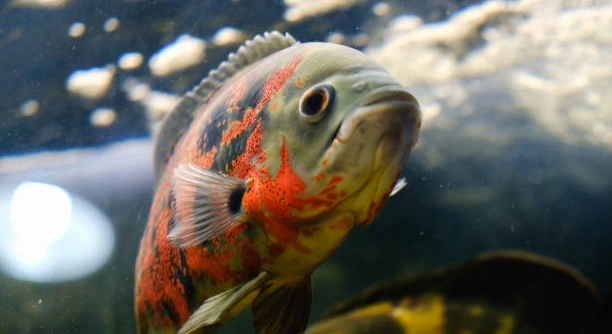
Oscar fish are fascinating creatures, but they often engage in behaviors that may seem strange to aquarium enthusiasts. These behaviors can be concerning, especially for new fish owners. Understanding these habits can ease any worries.
Oscar fish exhibit several unusual habits that are actually normal and part of their natural behavior. These habits include hiding, rearranging tank decor, and even aggressive interactions with their tankmates, which are often signs of stress or territoriality.
By recognizing these behaviors, you can better care for your Oscar fish and ensure a healthy environment. There is much more to learn about these fascinating creatures.
Oscar Fish Hiding Habits
Oscar fish often spend time hiding, especially when they feel stressed or unwell. It’s natural for them to seek out a dark or secluded spot within their tank. This behavior might also occur when they are adjusting to a new environment or when there are changes in the tank setup. It’s important to ensure they have enough hiding places, like plants or caves, to make them feel secure. Hiding is a defense mechanism, and it helps them feel safe.
When Oscar fish are not hiding, they are more likely to swim around and explore their surroundings. However, if your fish is hiding for prolonged periods, it could indicate a problem such as poor water quality or illness. Make sure the tank is clean and the water is properly maintained.
If you notice your Oscar hiding more than usual, it might be worth examining the tank’s conditions. This will help ensure they are comfortable and healthy, leading to better behavior and fewer signs of stress.
Tank Rearranging Behavior
Oscar fish often rearrange tank decorations and substrates. This behavior can be a sign of their natural instincts to establish territory. They might move rocks, plants, or even the substrate to create a more favorable space for themselves. Although this can be frustrating for owners who have carefully arranged the tank, it’s an expression of the fish’s need for control and security.
Some Oscars may rearrange items constantly, while others may only do it periodically. It’s essential to consider whether this behavior is accompanied by any other signs of stress or aggression. If the fish seems unsettled, it might be worth addressing environmental factors.
Providing enough space and hiding places can help reduce the urge to rearrange constantly. With a little patience, you can better understand what makes your Oscar feel at ease.
Aggression Towards Tankmates
Oscar fish are known for their aggressive behavior, especially towards other fish. This is part of their territorial nature. They can become hostile when they feel their space is being threatened. Such aggression may include chasing, biting, or flaring their gills.
This behavior is typically seen in males, especially during breeding seasons. However, even females can display aggression if they feel crowded or stressed. It’s essential to monitor your fish and remove any overly aggressive ones to avoid harm to the other tank inhabitants.
When introducing new fish, make sure the tank is large enough to provide space for everyone. A well-maintained environment can reduce the chances of aggression, but sometimes it’s inevitable with Oscars. It’s also helpful to provide plenty of hiding spots for less dominant tankmates to retreat to.
Boredom and Its Effects
Oscar fish are intelligent and curious, often getting bored in monotonous environments. Boredom can lead to behavioral issues, such as excessive swimming in circles or more aggression.
To combat this, ensure your Oscar fish has enough stimulation in the form of tank decorations, plants, and objects to explore. Additionally, offering a variety of foods can also keep them engaged. An Oscar fish with little to do is more likely to display unwanted behavior, which can harm both the fish and the tank’s overall balance.
It’s also helpful to rotate decorations occasionally to keep things interesting. A change in the scenery can re-engage your Oscar and prevent the repetitive behavior that boredom often causes. Regular interaction, like feeding or watching them swim, can also provide stimulation.
Swimming in Circles
Oscars often swim in circles, especially in smaller tanks or when they’re stressed. This repetitive motion can be a sign of frustration or a lack of space. It’s not uncommon in confined areas, but it shouldn’t be ignored.
If you notice this behavior regularly, it’s important to evaluate the tank size and the water quality. Oscars need ample space to swim freely, as well as clean water to thrive. A cramped environment or poor water conditions can lead to more persistent circling.
Providing a larger tank and maintaining optimal water parameters can significantly reduce this behavior. It’s essential to regularly check on the tank’s conditions.
Flashing Behavior
Oscar fish sometimes engage in flashing, where they rub their bodies against objects or substrate in the tank. This is often a response to irritation, like skin parasites or poor water quality.
Flashing is an instinctive reaction to discomfort. If your Oscar is constantly rubbing itself, it might indicate an underlying health issue. Testing the water for ammonia or nitrites is a good first step. If the water quality is fine, consider inspecting the fish for visible signs of parasites or infections.
A proper quarantine tank for new arrivals can help avoid the introduction of harmful parasites, and regular water changes will help keep the environment clean. Always keep an eye on any signs of flashing and address them early.
Jumping Out of the Tank
Oscars can sometimes jump out of their tanks, especially if they’re startled or feel threatened. This behavior is more common in smaller tanks or tanks with insufficient covers. Oscars are energetic, and jumping can be their way of escaping stress.
To prevent this, make sure your tank has a secure lid or barrier to prevent your fish from leaping out. A cover will keep your Oscar safe and help maintain a stable environment for the fish. Oscars are more likely to jump if they feel cornered or overly stressed.
FAQ
Why is my Oscar fish constantly hiding?
Oscar fish hide for various reasons, primarily due to stress or discomfort. This can happen when they are introduced to a new environment, have poor water quality, or feel threatened by other tankmates. They might also hide if they’re feeling unwell or need time alone to rest.
To address this, ensure your tank has plenty of hiding spots like caves, plants, and decorations where your Oscar can retreat. Make sure the water quality is optimal, as Oscars can be sensitive to changes in their environment. If hiding becomes excessive, check for signs of illness or parasites and consult an expert if needed.
How can I tell if my Oscar is sick?
Oscars can show several signs when they are unwell. Common symptoms of sickness include a loss of appetite, abnormal swimming behavior, discolored skin, clamped fins, or unusual spots or lesions on the body. They may also exhibit flashing or rubbing against objects in the tank.
If you notice these signs, it’s essential to check water quality first. Poor water conditions can be a significant cause of health problems. If the water is fine, it’s a good idea to quarantine your fish and consider treating it with appropriate medication. Consulting a veterinarian or an experienced fish keeper for advice is always helpful.
How often should I feed my Oscar fish?
Oscar fish are hearty eaters but should be fed a balanced diet to stay healthy. Generally, they should be fed once or twice a day, depending on their age and size. Young Oscars may require more frequent meals, while adult Oscars can do well with one meal per day.
Overfeeding can lead to health problems like obesity, and it can also degrade water quality in the tank. It’s important to provide a variety of foods, such as pellets, frozen foods, and live food, to ensure they receive a well-rounded diet.
Why is my Oscar chasing its tankmates?
Oscars are territorial fish, and chasing tankmates is often a sign of aggression. This behavior is most common in males, especially during breeding periods or if they feel their space is being encroached upon. Oscars may also chase other fish if they’re stressed or feel threatened by them.
To reduce aggression, ensure your tank is large enough for your Oscar to claim a territory without feeling overcrowded. It can also help to keep them with compatible tankmates that are large enough to hold their ground. However, some Oscars might prefer to be kept alone to avoid constant conflict.
What should I do if my Oscar is jumping out of the tank?
Jumping can be a sign of stress or a way for Oscars to escape if they feel threatened. They may jump if startled, or if the water conditions are unfavorable. Oscars are also more likely to jump if their tank is too small or lacks proper coverage.
To prevent jumping, make sure your tank has a secure, tight-fitting lid to keep your Oscar safe. Also, ensure the water quality is within optimal levels. Adding plants or other decorations can create a more secure environment where your Oscar feels comfortable. Regular monitoring of the tank’s conditions will also help reduce the likelihood of this behavior.
Can I keep other fish with my Oscar?
While Oscars are often kept alone due to their aggressive tendencies, they can live with other fish if the conditions are right. The key is to choose compatible tankmates, such as other large, hardy fish that can hold their own.
Small or slow-moving fish should generally be avoided, as Oscars may view them as prey. Cichlids or other large fish can sometimes be good companions, but it’s crucial to monitor their behavior. Having enough space and hiding spots in the tank is essential to reduce aggression. Sometimes, Oscars are just better off in a single-species tank.
How can I tell if my Oscar is happy?
A happy Oscar fish is generally active, swimming around the tank without signs of stress. They will interact with their environment, investigate objects, and explore different areas of the tank. Oscars also enjoy being fed, and they often display excitement when food is offered.
If your Oscar is eating well, swimming normally, and not displaying aggressive or stressed behaviors, it’s likely in a good mental and physical state. Providing plenty of space, maintaining water quality, and ensuring their tank has decorations or hiding spots can contribute to their overall happiness.
What size tank do I need for an Oscar?
Oscar fish require a large tank due to their size and active nature. A minimum tank size of 55 gallons is recommended for one adult Oscar, but larger tanks are ideal, especially if you plan to keep tankmates. A larger tank provides ample swimming space and helps maintain water quality, which is essential for their health.
If you plan to keep more than one Oscar or other large fish, you should opt for a tank that is at least 75 gallons or larger. Oscars are territorial, and having enough space will reduce aggression and stress.
Why is my Oscar swimming in circles?
Swimming in circles can be a sign of stress or boredom. Oscars are intelligent fish, and when confined to small tanks or environments with limited stimulation, they may start swimming in repetitive patterns.
To alleviate this behavior, ensure your tank is large enough for your Oscar to move freely. Adding decorations, plants, or other objects can create more interesting environments for them to explore. If the tank conditions are optimal, this behavior will likely decrease. Regular water changes and providing varied foods also contribute to a healthier, more stimulating environment.
Is it normal for my Oscar to rearrange the tank?
Yes, it is normal for Oscar fish to rearrange decorations and substrate in their tank. Oscars are known for being territorial and will often move objects around to create a space they feel comfortable in. This behavior is part of their natural instincts.
If your Oscar is moving items around frequently, it’s a sign that it’s trying to establish its territory or alleviate stress. Providing enough hiding spots and keeping the tank clean can help minimize this behavior. It’s essential to allow your Oscar the space it needs to feel secure.
Final Thoughts
Oscar fish are fascinating creatures with unique behaviors that can sometimes be misunderstood. While some of their habits, such as jumping or swimming in circles, may seem strange or concerning, many are simply part of their natural instincts. Understanding these behaviors and providing the right environment can help ensure they thrive in your care.
The key to keeping a healthy and happy Oscar is to focus on their tank environment. A spacious tank, regular water changes, and appropriate tankmates are all important factors. Oscars are territorial fish, and giving them enough space to establish their own territory will help reduce stress and aggression. Proper filtration, monitoring water quality, and ensuring a balanced diet are also crucial to keeping your Oscar healthy. By meeting their physical and environmental needs, many of the odd behaviors will diminish or become less noticeable.
Ultimately, Oscars are social and interactive fish that can form bonds with their owners when given the right care. Their sometimes quirky behavior should not be seen as a cause for alarm but as a part of their personality. With patience and attention to their needs, you can enjoy the company of these fascinating fish for many years.

Hello,
If you enjoy the content that we create, please consider saying a "Thank You!" by leaving a tip.
Every little bit helps us continue crafting quality advice that supports the health, happiness, and well-being of pets around the world, for pets of all shapes, sizes, and species.
We really appreciate the kindness and support that you show us!