
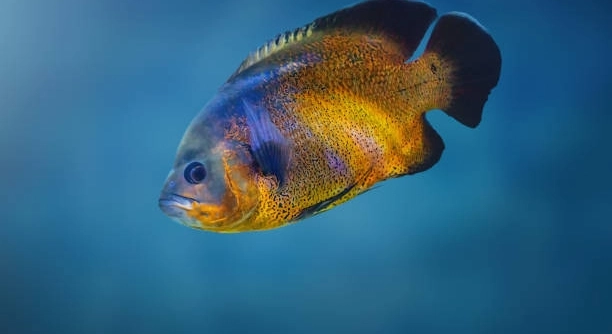
Oscar fish are fascinating creatures with unique feeding habits. Observing them during feeding can reveal some unusual behaviors that can leave you wondering what’s really going on. These behaviors are part of their natural instincts.
Oscar fish exhibit distinct behaviors during feeding, including aggressive food guarding, rapid movements, and even territorial displays. They may dart at food or each other, showing dominance. Understanding these actions helps us better care for them in captivity.
Recognizing these behaviors will help you understand your Oscar fish better and improve their feeding routine.
Aggressive Food Guarding
Oscar fish can become quite territorial during feeding time. If you’ve noticed them flaring up or acting aggressively towards tank mates, it’s likely a display of food guarding. This behavior is especially prominent when they are given a large portion of food or something they particularly enjoy.
While it may seem like aggression, it’s part of their natural instincts. In the wild, Oscar fish defend their food sources to survive. When in captivity, this can manifest as aggressive behavior during mealtime, especially if there’s a dominant fish in the tank.
If you observe this behavior, don’t be alarmed. It’s typical for Oscar fish to act this way when they feel threatened or competitive. You can manage this by providing enough food for all fish in the tank and making sure no one feels left out. This will help reduce stress and prevent constant fighting.
Rapid Movements and Feeding Frenzy
When feeding, you might notice Oscar fish darting around the tank with incredible speed. This sudden movement often happens when they spot food. They may swim rapidly, grab food, and return to their designated spot.
This feeding frenzy is a natural reaction, driven by their instincts to catch prey. They are fast, aggressive hunters and tend to gobble food quickly. This behavior can be a bit startling, especially in smaller tanks. However, it’s just their way of securing their food.
Providing a varied diet can help reduce the intensity of these rapid movements. You can also break up food into smaller portions so they aren’t overwhelmed or left competing for one large chunk. Over time, this can help keep the tank environment calm and minimize excessive feeding behaviors.
Territorial Displays and Food Competition
Oscar fish may also exhibit territorial displays when competing for food. This can include chasing other fish away, particularly during feeding times. If there are multiple Oscars or other aggressive fish in the tank, this can create a tense environment.
To manage this, ensure that there is enough space for all fish. If possible, separate aggressive Oscars during feeding to prevent them from stressing each other out. You can also feed your fish at different times to avoid competition and aggression. It’s important to maintain balance in the tank so that no one feels threatened when food is available.
Adding plenty of hiding spots and separate feeding areas can help ease the tension. This encourages peaceful feeding behavior, ensuring each Oscar has access to food without feeling pressured or threatened.
Food Splashing and Water Movement
Oscar fish are known to create a lot of movement in the water during feeding. As they grab food, they often splash water, especially if they’re feeding on larger pieces. This can create quite a mess in the tank, making it harder to maintain clean water.
This splashing behavior is an instinctual action driven by their excitement to eat. The movement helps them break up food into smaller pieces, allowing them to consume it more easily. While this behavior may seem chaotic, it’s completely normal for Oscar fish. To minimize the mess, you can try using sinking pellets instead of floating ones.
It’s also helpful to feed them in an area where the splashing won’t affect the rest of the tank. Some aquarists suggest using a feeding ring to contain the food and reduce water movement. This helps keep the tank cleaner and ensures that the food stays in one place, making it easier for all fish to get their share.
Hunting-Like Behavior During Feeding
Oscar fish often exhibit hunting-like behavior during feeding, particularly if live food is involved. They will stalk their prey before striking with swift movements. This is a natural behavior they retain from the wild, where hunting was essential for survival.
Even when they are fed prepared food, they may still display these hunting instincts. Oscars are smart and often prefer the excitement of chasing their food around the tank, which mirrors how they would catch prey in their natural habitat. If you’ve noticed your Oscar swimming with more purpose or waiting for its food to come to it, this could be a sign of these instincts at play.
To cater to these instincts, consider offering live or moving foods. You could also try feeding your Oscar in a way that mimics hunting, like using feeding toys that move in the water. This adds an element of stimulation to their feeding time, allowing them to express more natural behavior.
Food Hoarding
Oscar fish sometimes exhibit food hoarding behavior, where they take pieces of food and store them in a hidden area of the tank. This behavior often happens when they feel protective over their food. It’s a natural instinct to secure their meal for later.
Hoarding can sometimes lead to issues like water contamination. Uneaten food can quickly decompose, affecting water quality. If you notice this behavior, it’s important to clean up any leftover food promptly to maintain a healthy environment. You can also try feeding smaller portions to prevent excessive hoarding.
Aggressive Competition for Food
Oscar fish may become aggressive when competing for food, especially in a tank with other aggressive species. They can chase or even bite other fish to claim their share. This often occurs when food is limited, or there’s a perceived threat to their meal.
Providing enough food for all the fish is key to reducing this aggression. You might want to scatter the food around the tank or use a feeding ring. This will help reduce the competition and allow each fish to enjoy their meal without stress or aggression.
FAQ
Why do Oscar fish act aggressively during feeding?
Oscar fish are naturally territorial, and their aggression during feeding is a form of food guarding. In the wild, they protect their meals to ensure survival. When in captivity, this instinct remains, and they may chase away other fish or display dominance over the food. If multiple Oscars are in the tank, this behavior may intensify. To minimize aggression, feed them enough food to prevent competition and provide separate feeding areas if necessary.
What causes Oscar fish to dart around the tank when eating?
Oscar fish are fast, aggressive hunters, and this darting behavior is part of their natural instinct. When they spot food, they often rush to grab it, mimicking their hunting patterns in the wild. This sudden movement is a way for them to secure their food. To reduce this behavior, you can break up the food into smaller portions, or use sinking pellets to prevent them from rushing around too much.
Is it normal for Oscar fish to hoard food?
Yes, food hoarding is a natural behavior in Oscar fish. They may take pieces of food and hide them in plants or other tank decorations. This instinct stems from their survival tactics in the wild, where hoarding food can be useful in times of scarcity. However, it’s essential to remove any leftover food promptly to avoid water contamination and maintain tank cleanliness.
How can I reduce aggressive competition between Oscar fish during feeding?
Aggressive competition happens when food is limited or when there’s more than one dominant fish in the tank. To reduce this, make sure to provide enough food for all fish. You can feed them separately in different areas of the tank or use feeding rings to contain the food. This will help prevent fighting and ensure each fish gets its fair share.
Why does my Oscar fish splash water during feeding?
Oscar fish often splash water when feeding, especially if they are excited or trying to grab large pieces of food. This behavior is a natural part of their feeding process, helping them break up food and eat more efficiently. While the splashing can be messy, it’s harmless. Using sinking food pellets or a feeding ring can help contain the mess and make feeding more organized.
Can Oscar fish eat live food?
Yes, Oscar fish love live food and it can stimulate their natural hunting instincts. They often enjoy eating live fish, worms, or insects. Feeding live food can be beneficial for their mental and physical well-being, as it encourages them to use their hunting skills. However, ensure the live food is healthy and free of parasites to prevent any health issues for your Oscar fish.
What should I do if my Oscar fish isn’t eating?
If your Oscar fish isn’t eating, it could be due to stress, water quality issues, or health problems. First, check the water parameters (pH, ammonia, nitrate levels) to ensure they are within the ideal range. If the water quality is fine, try offering different types of food, as Oscar fish can be picky. If the problem persists, a visit to the vet or an aquarium specialist may be necessary.
Do Oscar fish need a lot of space for feeding?
Yes, Oscar fish need plenty of space, especially during feeding time. They are territorial and may become aggressive toward other fish when food is involved. A larger tank gives them room to move freely and reduces stress, which can help with their feeding behavior. A tank of at least 75 gallons is recommended for a single Oscar fish.
How can I prevent my Oscar fish from fighting with other tank mates?
Oscar fish are aggressive, so choosing compatible tank mates is essential. Avoid keeping them with smaller or more passive fish, as they may become targets for aggression. Instead, consider tank mates that are similar in size and temperament. Additionally, make sure there are plenty of hiding spots and space for the fish to establish their territories.
How often should I feed my Oscar fish?
Oscar fish should be fed once or twice a day, depending on their age and size. Younger fish require more frequent feeding, while adult Oscars can be fed once a day. Be careful not to overfeed, as this can lead to water quality issues. Remove any uneaten food within a few minutes to keep the tank clean.
Final Thoughts
Oscar fish are fascinating creatures, known for their unique behaviors, especially during feeding. They are highly intelligent and can exhibit a variety of actions that may seem strange but are entirely natural. Whether it’s their aggressive food guarding, hunting-like movements, or occasional food hoarding, these behaviors are deeply rooted in their instincts. Understanding why your Oscar fish acts this way can help you create a better environment for them, making sure their needs are met both mentally and physically.
While their feeding behaviors may be disruptive at times, there are ways to manage them. For example, offering smaller portions of food, using sinking pellets, or providing separate feeding areas can help reduce aggression and food splashing. These simple adjustments can improve the feeding process, leading to a cleaner tank and healthier fish. Keeping an eye on the water quality is essential as well, especially when food is being splashed around or hoarded, as this can cause waste build-up that affects tank conditions.
In the end, the key to keeping Oscar fish healthy and happy lies in understanding their natural instincts and providing an environment that accommodates these behaviors. By respecting their feeding patterns, offering the right food, and ensuring they have enough space to express themselves, you can foster a more balanced tank. With a little attention and care, your Oscar fish can thrive and show off their fascinating behaviors in a safe and comfortable environment.

Hello,
If you enjoy the content that we create, please consider saying a "Thank You!" by leaving a tip.
Every little bit helps us continue crafting quality advice that supports the health, happiness, and well-being of pets around the world, for pets of all shapes, sizes, and species.
We really appreciate the kindness and support that you show us!