
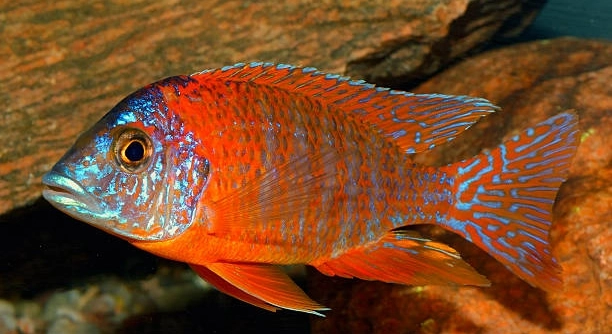
Cichlids are fascinating fish, known for their vibrant colors and unique behaviors. Many owners enjoy observing them, yet sometimes strange noises emerge from the tank, causing sudden stress and unexpected reactions in these sensitive creatures.
These noises often result from water flow, filter vibrations, tapping on the glass, or interactions with other tank inhabitants. Sudden changes in the environment or unexpected mechanical sounds can startle cichlids, triggering defensive behaviors and heightened stress responses within the aquarium setting.
Recognizing these sounds and their effects can help you create a calmer, safer environment for your cichlids and improve their overall well-being and comfort in the tank.
Tap on the Glass
When I first heard tapping on my tank, my cichlids immediately darted to the corners, fins flaring. Glass tapping is surprisingly stressful for them, even if it seems harmless to us. The sudden vibration and noise feel like a threat in their environment, triggering defensive postures. Cichlids are highly sensitive to vibrations, and repeated tapping can increase their anxiety, making them less likely to feed or interact normally. Even light taps from cleaning or moving nearby objects can cause discomfort. Over time, frequent disturbances may lead to chronic stress, affecting their health and coloration. It’s important to handle your aquarium calmly and avoid banging on the sides. Observing from a distance or using proper tools during maintenance helps reduce sudden noises. Minimizing unexpected vibrations ensures that your cichlids feel secure, promoting natural behavior and a peaceful tank environment for all species involved.
Keeping hands and objects away from the glass prevents startling your fish and maintains a calm, stress-free environment.
I learned that even subtle taps are enough to trigger defensive swimming and hiding. Watching them adjust and eventually settle shows how sensitive their perception is. By controlling interactions and maintaining a gentle environment, I noticed they became more relaxed, displayed normal behaviors, and colors became brighter. This simple adjustment significantly improved their overall comfort and health, highlighting how attentive observation can make a big difference in daily care.
Filter Vibrations
Filter vibrations create a constant low hum in the tank, which cichlids quickly notice. These vibrations travel through the water, affecting their balance and comfort.
A noisy or unsteady filter can stress cichlids, causing them to avoid certain areas or behave erratically. Maintaining stable, quiet filtration is essential.
I realized that the position and type of filter dramatically influenced my cichlids’ behavior. A filter that rattled against the tank wall created irregular vibrations, making some fish skittish or even hiding for hours. After securing the filter and adjusting the flow, the water movement became smooth, and the vibrations minimized. This simple change reduced stress levels noticeably. Over weeks, my cichlids became more confident, exploring the tank freely and engaging with other fish without hesitation. Ensuring filters are properly installed, checked regularly, and maintained prevents unexpected noise and keeps the aquatic environment predictable. Observing their reactions taught me that even minor adjustments in equipment placement can lead to calmer, healthier fish that thrive in a stress-free setting.
Clinking Decorations
Loose decorations often shift with water movement, producing clinking sounds that startle cichlids. Even small noises can trigger sudden swimming or hiding, as they interpret the sounds as potential threats within their territory.
I noticed that when rocks or ceramic pieces were unsecured, my cichlids would bolt whenever the filter flow moved them slightly. The clinking repeated throughout the day, causing frequent stress. After rearranging the decorations and ensuring everything was stable, the tank became noticeably calmer. Fish spent more time exploring and interacting rather than retreating. Securing every item reduces unexpected sounds and helps maintain a consistent environment.
Watching them settle into their usual spots showed me how sensitive they are to these minor disturbances. Even slight movement or shifting pieces can create repeated stress, affecting feeding habits and social interactions. Properly anchored decorations provide safety and stability, improving overall tank harmony and supporting healthier behavior patterns for all cichlids.
Water Changes
Sudden water changes produce strong currents and splashes, which can alarm cichlids and disrupt their routine.
When I perform a partial water change, the fish often dart or hide immediately. The sudden movement of water and temperature differences can feel threatening. I now pour water gently and match temperatures carefully. Gradual refilling and slow water flow help reduce stress significantly. Observing my cichlids adapt more calmly after making these adjustments showed that even routine maintenance can affect their comfort.
I learned that consistent methods are key. Pouring water slowly, avoiding high-pressure streams, and ensuring temperature consistency prevent startling reactions. Using a siphon or bucket to carefully introduce water allows the fish to adjust without panicking. Over time, my cichlids began associating water changes with minimal disruption, reducing defensive behaviors. Monitoring their behavior after each maintenance session ensures that adjustments are effective. Small refinements, like directing water flow away from hiding spots and keeping movements steady, maintain a stable environment. Proper water change techniques create predictability, keeping cichlids confident, healthy, and less stressed during necessary tank care.
Tank Lid Noises
A loose or poorly fitted tank lid can rattle, producing sharp noises that disturb cichlids. Even minor vibrations from closing or adjusting the lid can startle them.
I noticed my cichlids would freeze or swim quickly whenever the lid moved. Securing it tightly eliminated these sudden sounds, creating a calmer environment and reducing stress significantly.
Gravel Shifting
When cleaning or adjusting gravel, scraping sounds travel through the tank and water. These noises can make cichlids dart or hide unexpectedly.
I learned that spreading cleaning tasks over several short sessions and gently moving the substrate helped minimize sudden disturbances. Gradual adjustments keep fish calmer during routine maintenance and prevent repeated stress reactions.
Air Pump Hissing
Air pumps sometimes emit a consistent hissing or gurgling noise, which can be distracting for cichlids.
Placing the pump on a soft surface and checking tubing connections reduces vibration and noise. This small adjustment creates a more peaceful environment for the fish.
FAQ
Why do my cichlids react so strongly to noises?
Cichlids have highly developed senses and are very sensitive to vibrations in water. Sudden sounds or unusual vibrations can trigger their natural fight-or-flight response. I noticed my fish often darted or hid at even minor disturbances, which can cause stress if repeated frequently.
Can tank equipment make cichlids nervous?
Yes, items like filters, air pumps, and heaters can produce constant or irregular noises. When my filter was slightly loose, the vibrations made my cichlids skittish. Securing equipment and ensuring smooth operation reduced stress significantly and improved their behavior.
How do I reduce noise from decorations?
Loose rocks, ornaments, or driftwood can shift and create clinking sounds. I started anchoring all decorations and ensuring nothing could move freely. Stable decorations eliminate sudden noises and provide a consistent environment, which keeps my cichlids calmer.
Are water changes stressful for cichlids?
They can be if done quickly or with large temperature differences. I now pour water slowly and match it to tank temperature. Gentle refilling prevents panic, allowing the fish to remain comfortable and avoid defensive swimming.
Does tapping on the glass really affect them?
Yes, even light tapping causes stress. My cichlids would hide whenever someone knocked on the tank. Avoiding contact and observing from a distance helps them feel safe and reduces anxiety over time.
Can air pumps and bubblers disturb cichlids?
Continuous hissing or gurgling can create background stress. I placed my air pump on a soft surface and adjusted tubing connections, which minimized vibration and noise. This made the tank environment calmer and more stable.
Why do some cichlids hide more than others?
Individual temperament plays a role, but noise sensitivity is also a factor. In my experience, shy or younger fish are more likely to react to sudden sounds, while older, confident fish adapt faster to minor disturbances.
How can I tell if a noise is harming my fish?
Look for sudden darting, hiding, or loss of appetite. I watched my cichlids closely after cleaning or equipment adjustments and noticed behavior normalized when disturbances were reduced. Chronic stress can lead to health issues, so minimizing loud or abrupt noises is important.
Do cichlids get used to regular sounds?
They can acclimate over time if the noise is predictable and consistent. For instance, my fish adjusted to gentle filter hums, but sudden, irregular sounds continued to startle them. Creating a stable routine helps cichlids feel secure in their habitat.
Is it necessary to modify all equipment to reduce noise?
Yes, even minor vibrations affect sensitive species. I checked every device, tightened loose parts, and placed pumps on soft surfaces. These small changes made a noticeable difference, making my tank quieter and my cichlids calmer, happier, and healthier.
Can tank placement influence noise stress?
Definitely. Placing the aquarium on a stable, vibration-free surface reduces external disturbances. I moved my tank away from doors, speakers, and heavy foot traffic, which helped minimize startling vibrations and created a more peaceful environment for the fish.
What should I do if a cichlid is constantly stressed by noise?
Observe the sources carefully, secure decorations, stabilize equipment, and adjust maintenance methods. I found that making these small changes gradually allowed my fish to regain confidence and return to normal behaviors without ongoing stress.
Does light tapping or vibrations from nearby furniture matter?
Yes, cichlids detect even subtle vibrations. I noticed my fish reacted to heavy walking near the tank. Placing the tank in a quiet, low-traffic area helped reduce these disturbances and made a significant difference in their daily comfort.
How often should I monitor for noise issues?
Regular observation is key. I check during maintenance and at different times of the day to ensure there are no sudden sounds or vibrations affecting my cichlids. Early detection prevents stress from building over time and helps maintain a healthy tank environment.
Can tank lid noises cause long-term stress?
They can if repeated frequently. My cichlids initially panicked whenever the lid rattled. Securing it tightly and reducing sudden movement prevented ongoing stress, which improved their behavior and overall health over weeks.
How do I make routine maintenance less stressful?
Move slowly, pour water gently, secure decorations, and minimize sudden movements. I found that breaking tasks into smaller steps and performing them calmly helps the fish stay relaxed. Gradual, predictable actions reduce startle responses and maintain a stable environment.
Is temperature change during water changes a concern?
Yes, abrupt differences can alarm cichlids. I always check water temperature and adjust carefully before adding it to the tank. Consistent temperature prevents sudden stress and keeps their natural behaviors consistent.
How long does it take for cichlids to adjust to a quieter tank?
It varies, but I noticed my fish began showing calmer behavior within days of reducing noise. Continuous quiet and stable routines reinforce safety, allowing shy or stressed individuals to explore and interact normally without fear.
Are all cichlid species equally sensitive to noise?
No, sensitivity varies. I observed that larger or more territorial species react quickly to sudden sounds, while smaller, more adaptable species tolerate minor disturbances better. Knowing your species helps anticipate and manage stress effectively.
Can feeding routines help reduce stress from noises?
Yes, predictable feeding schedules create a sense of safety. I maintained regular feeding times, which helped my cichlids feel secure despite minor disturbances, reinforcing confidence and encouraging natural behaviors in the tank.
Final Thoughts
Caring for cichlids involves more than just providing food and clean water. These fish are highly sensitive to their environment, and even small noises can cause stress. Over time, repeated exposure to unexpected sounds like tapping, clinking decorations, or filter vibrations can affect their behavior, health, and overall well-being. I learned that observing their reactions closely is crucial. Noticing when they dart, hide, or stop feeding helps identify what noises or disturbances are affecting them. By addressing these issues early, it is possible to prevent long-term stress and create a more stable environment for them to thrive. Ensuring the tank is quiet and predictable allows cichlids to display natural behaviors, interact normally with other fish, and maintain their vibrant colors.
Small adjustments in the tank setup can make a significant difference. Securing decorations, stabilizing equipment, and placing air pumps or filters on soft surfaces minimizes vibrations and noise. Even routine maintenance like water changes or gravel cleaning can be stressful if done abruptly. Pouring water slowly, matching temperatures, and spreading tasks over shorter sessions helps keep cichlids calm. I noticed that once these changes were made, my fish were visibly more relaxed, exploring the tank freely instead of retreating at every small disturbance. Maintaining a quiet, stable environment does not require major changes, just consistent attention and awareness. Over time, these small steps add up, creating a healthier and more comfortable habitat.
Consistency and patience are key in managing a tank with sensitive cichlids. They need time to adapt to equipment, routines, and environmental changes. Sudden noises may still startle them occasionally, but reducing overall disturbances allows them to feel secure and confident. I observed that once my tank became quieter and more predictable, the fish’s natural behaviors returned. They spent more time interacting, foraging, and establishing territories without unnecessary stress. Creating this calm environment is not only beneficial for their physical health but also improves their mental well-being. A thoughtful approach to managing noise, combined with careful observation, ensures that cichlids can thrive and maintain a balanced, stress-free life in the aquarium.

Hello,
If you enjoy the content that we create, please consider saying a "Thank You!" by leaving a tip.
Every little bit helps us continue crafting quality advice that supports the health, happiness, and well-being of pets around the world, for pets of all shapes, sizes, and species.
We really appreciate the kindness and support that you show us!