
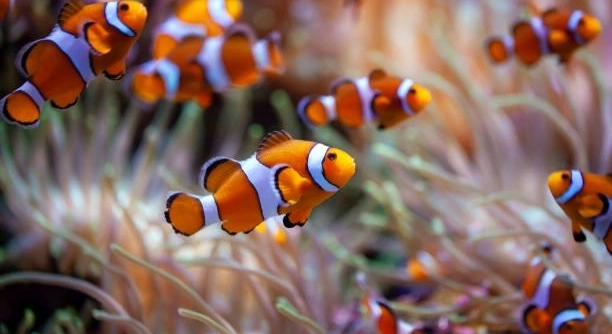
Have you ever found yourself fascinated by the quirky behaviors of clownfish while watching them dart around coral reefs? Their tiny size and bold stripes may seem cute, but their daily lives are far more complex than they appear.
Clownfish rituals can seem strange, but many serve essential biological and social purposes. From changing sex to performing odd dances, each behavior plays a role in communication, reproduction, or survival within their reef-based communities.
Some of these behaviors may seem unusual at first glance, but understanding them can reveal how clownfish thrive in such vibrant and competitive environments.
They Change Sex When Needed
Clownfish are born male, but some eventually become female. This change happens when the dominant female in their group dies. The largest male will take her place and transform into a female. This shift isn’t random—it’s part of how clownfish maintain balance in their social group. Only one breeding pair exists per group, and this helps avoid competition. Once the male changes into a female, the next largest male becomes her mate. The rest of the group remains non-breeding males. This system ensures the group stays stable, even when one fish is lost. The change is triggered by hormones and happens gradually. This behavior might seem strange, but it allows the clownfish to adapt quickly to changes in their environment without needing to leave the safety of their anemone. Staying in the same area protects them from predators and keeps their tiny community running smoothly.
This behavior keeps reproduction possible without requiring new fish to join the group.
It’s an efficient and practical system that supports survival. It also reduces stress and fights within the group. Clownfish rarely need to leave their home, so they stay protected while keeping their numbers strong. Nature designed their way of life with structure and flexibility.
They Perform a Wiggly Dance for the Anemone
Before settling into a new anemone, clownfish perform a wiggly dance by brushing their bodies against the anemone’s stinging tentacles.
This odd-looking ritual might seem playful, but it has a real purpose. Clownfish need protection from predators, and anemones offer that by stinging anything that comes near. To avoid being harmed themselves, clownfish build up resistance. The dance is how they do it. By slowly rubbing themselves on the tentacles, the clownfish allow their skin to adapt. Over time, a layer of mucus builds up, protecting them from the stings. This dance can take hours or even days. During that time, the clownfish gently test the anemone’s response and pull back if it reacts too strongly. Once accepted, they become immune and can safely live among the tentacles. This process strengthens the bond between the clownfish and its host. It’s a delicate exchange—safety for the fish, cleaning and nutrients for the anemone.
They Fan Their Eggs Constantly
Male clownfish take on the role of caring for the eggs after the female lays them. They use their fins to fan the eggs nonstop, keeping them clean and well-oxygenated.
This fanning helps prevent fungus and other harmful substances from settling on the eggs. It also keeps water flowing across them, which is important for oxygen. The male inspects the eggs regularly, removing any that look unhealthy or dead. His job lasts several days, and he stays close to the nest the entire time. During this period, he rarely leaves his post and becomes more aggressive if anything comes too close. Even though the eggs are tiny and fragile, this behavior gives them the best chance of survival. Without this attention, the eggs could easily die before hatching. It’s a quiet, steady routine that shows how involved clownfish parenting can be.
Once the eggs are ready to hatch, the male becomes even more alert. He continues to fan them, especially at night when hatching usually happens. His care doesn’t stop until every last fry has emerged. After that, the young drift away into the open water, and the cycle begins again. Though short-lived, his effort plays a key role in helping the next generation survive.
They Bite to Show Rank
Biting plays a big role in clownfish social structure. They live in strict hierarchies where one female leads, followed by her male mate, and then smaller non-breeding males. Biting helps maintain this order.
If a lower-ranking clownfish gets too bold, the dominant fish will bite to put them back in place. This doesn’t cause major harm, but it sends a clear message. These bites are meant to control behavior and reduce challenges to authority. By keeping the group stable, everyone knows their role, which prevents fights from getting out of hand. It may look aggressive, but biting helps avoid more serious problems. The smallest fish are often the most careful, staying out of the way and responding quickly to signals. If they ignore a warning, a quick nip usually reminds them. It’s a simple but effective way to avoid confusion and maintain peace in their tight space.
They Make Clicking Noises While Arguing
Clownfish make clicking sounds when they feel threatened or challenged. These sounds are often used during disputes over space or rank.
The clicking helps keep other clownfish in line without needing to fight. It’s a warning, and most of the time, it works well enough to stop trouble.
They Refuse to Leave Their Anemone
Clownfish rarely stray far from their host anemone. Leaving it puts them at risk of being eaten by larger fish. The anemone’s stinging tentacles offer constant protection. Even when food is nearby, clownfish will often wait for it to come closer rather than venturing out. This behavior is based on survival, not laziness. They’ve adapted to stay close and keep safe, especially since their swimming ability isn’t as strong as other fish. They also depend on the anemone for laying eggs, resting, and interacting with other clownfish. It’s more than shelter—it’s their entire home.
They Dance Before Mating
Before mating, the male performs a short dance to get the female’s attention. He darts back and forth, shakes his body, and may nip at the rock where eggs will be laid.
How do clownfish change sex?
Clownfish are born male and can change into females later in life. This change happens when the dominant female in their group dies. The largest male then transforms into a female to take her place. This process is controlled by hormones and happens gradually. Only one female breeds with one male in each group. This system keeps the group balanced and avoids fights over mates. The change allows clownfish to adapt quickly without leaving their home anemone. It’s an important part of how they survive in their environment.
Why do clownfish perform a wiggly dance with anemones?
The wiggly dance helps clownfish get used to the stinging tentacles of their host anemone. By brushing against the tentacles, clownfish build up a protective mucus on their skin. This mucus prevents the anemone from stinging them. The dance can take hours or days to complete. It is a careful process where the fish test the anemone’s reaction. Once accepted, the clownfish gains safety among the tentacles. This relationship protects the fish from predators while the anemone benefits from cleaning and nutrients.
What is the purpose of the male clownfish fanning eggs?
Male clownfish fan their eggs constantly to keep them clean and oxygenated. The movement helps prevent fungus from growing and ensures water flows over the eggs. Males remove any unhealthy eggs to protect the rest. This care lasts several days until the eggs hatch. During this time, the male rarely leaves the nest and guards it fiercely. Fanning is essential for the survival of the next generation. Without it, the eggs would likely fail to develop properly.
Why do clownfish bite each other?
Biting is a way for clownfish to show rank within their group. They live in strict social orders with one female, one male, and several non-breeding males. When a lower-ranking fish steps out of line, a dominant fish will bite to remind it of its place. These bites don’t cause serious harm but keep order and reduce fights. This behavior helps maintain peace and structure in their small community. It’s a simple but effective method to avoid larger conflicts.
Why do clownfish make clicking noises?
Clicking noises are made by clownfish when they feel threatened or during disputes. These sounds warn other fish to back off without physical fighting. It’s a way to communicate and maintain personal space or social rank. Clicking often prevents unnecessary aggression and helps keep the group stable. It’s an important part of clownfish behavior, especially when living in close quarters.
Why do clownfish stay close to their anemones?
Clownfish rarely leave their anemone because it offers safety from predators. The stinging tentacles of the anemone protect them, while their swimming ability is not strong enough for long trips. Staying close helps them survive. The anemone is also where they lay eggs and interact socially. Even if food is nearby, clownfish prefer to wait until it comes close rather than risk danger. Their close relationship with the anemone is vital for their protection and way of life.
What is the purpose of the clownfish mating dance?
The male clownfish performs a dance to attract the female before mating. This includes quick darting movements, shaking, and nipping near the egg-laying site. The dance signals readiness and helps strengthen the pair bond. It also encourages the female to prepare the nesting spot. This ritual makes the mating process smoother and increases the chance of successful reproduction. It’s a small but important behavior in their life cycle.
How do clownfish protect their eggs from harm?
Besides fanning the eggs, clownfish guard their nesting site aggressively. Males chase away intruders and potential predators. The eggs are often laid on flat surfaces close to or inside the anemone’s protection. This location offers extra safety. The constant attention and defense increase egg survival. The careful watch by the male shows how seriously clownfish take their parenting duties.
Can clownfish live without anemones?
Clownfish depend heavily on anemones for protection and breeding. Without an anemone, their risk from predators rises sharply. Some clownfish can survive for short periods without anemones but won’t thrive long-term. The mucus layer they develop during the wiggly dance makes them immune to the anemone’s sting, but without the host, they lose their main defense. This close relationship is essential for their survival and reproduction.
How do clownfish communicate with each other?
Clownfish use a mix of behaviors to communicate, including body language, biting, clicking sounds, and dances. These actions help establish social rank, warn against threats, and coordinate mating. Communication is vital in their tight groups to avoid conflict and maintain order. The combination of sounds and movements creates a clear system that clownfish use every day to interact and live peacefully together.
Clownfish are fascinating creatures with behaviors that may seem strange at first but are actually very practical. Their rituals, from changing sex to performing dances and caring for their eggs, show how they adapt to their environment and maintain balance within their groups. These behaviors help them survive in the competitive and sometimes dangerous reef habitats where they live. Understanding these rituals gives us a clearer picture of the complexity beneath their bright colors and small size. It reminds us that even simple creatures have developed smart ways to live and protect themselves.
The relationship between clownfish and anemones is especially important. Clownfish rely on anemones for protection from predators, and their strange dances help build a safe connection. This partnership benefits both animals—clownfish gain safety, while anemones receive cleaning and nutrients. This kind of cooperation is a great example of how nature works through balance and mutual help. It shows that even the smallest fish can have complex behaviors and meaningful interactions. By learning about their rituals, we see how these fish are not only surviving but thriving in their underwater homes.
Finally, watching clownfish gives us insight into the delicate balance of life beneath the waves. Their social structure, parenting roles, and communication methods all play a part in keeping their groups stable and healthy. These behaviors might seem unusual, but they are effective and necessary for their survival. Taking the time to understand them can increase our appreciation for the natural world. Clownfish remind us that survival often depends on cooperation, adaptability, and caring for the next generation. These lessons are important for all living creatures, including us.

Hello,
If you enjoy the content that we create, please consider saying a "Thank You!" by leaving a tip.
Every little bit helps us continue crafting quality advice that supports the health, happiness, and well-being of pets around the world, for pets of all shapes, sizes, and species.
We really appreciate the kindness and support that you show us!