
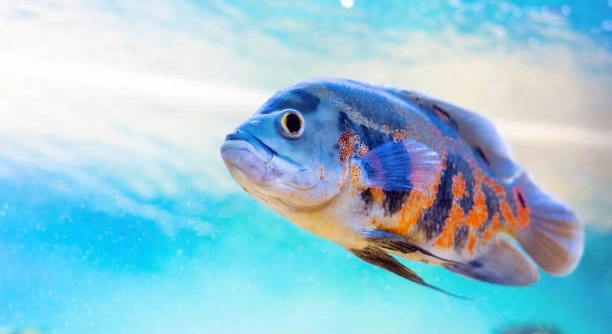
Overfeeding Oscars can lead to some unusual behaviors. These fascinating creatures react differently when their food intake exceeds the recommended amount. Understanding these behaviors is key to maintaining their health and well-being.
Overfeeding Oscars can cause various behavioral changes, such as lethargy, aggression, and water pollution. Excessive feeding leads to weight gain, decreased activity levels, and can disrupt their natural feeding habits, resulting in stress and health issues.
These strange behaviors can be prevented by monitoring their diet and providing the right portion sizes for a healthier aquarium environment.
Why Overfeeding Oscars Can Lead to Aggression
Overfeeding Oscars can make them act out in unexpected ways. When their stomachs are overloaded, they may become more aggressive toward tank mates, especially when there is too much food available. This behavior stems from their territorial instincts. Oscars are naturally dominant fish, and in an overfed state, they may feel the need to defend what they perceive as their food or territory. The excess food can lead to heightened competition, resulting in more frequent skirmishes.
Aggressive Oscars can become more territorial, defending food from other fish. This can cause unnecessary stress, leading to long-term behavioral issues. It’s essential to feed them in controlled portions to avoid this situation.
Feeding Oscars properly also ensures their social interaction with other fish remains positive. A balanced diet helps them feel secure in their environment, reducing aggressive behaviors. Keep their tank clean and avoid overfeeding, as this can improve their overall temperament and health.
The Link Between Overfeeding and Health Issues
Overfeeding Oscars not only causes behavioral changes but also puts their health at risk. Excessive food intake leads to obesity, which can damage their internal organs. The result is a shorter lifespan and a higher chance of developing serious health problems.
An overfed Oscar may struggle with issues like swim bladder disease or liver problems. The stress of carrying excess weight can impair their movement and ability to interact with their environment. Keeping their food intake balanced helps prevent such conditions.
Overfeeding Can Lead to Poor Water Quality
Excess food in the tank quickly breaks down, leading to a spike in waste and toxins. This harms the water quality, causing an increase in harmful nitrates and ammonia. Poor water quality, in turn, stresses the Oscars, affecting their behavior and health.
The buildup of waste in the aquarium can lead to cloudy water and an unhealthy environment for all fish. Overfeeding not only harms Oscars but also impacts any other tank mates. Regular water changes and careful food portions can help maintain a clean tank and reduce stress. Good water quality is essential for a healthy Oscar, helping to keep their behavior in check.
Maintaining proper water quality prevents the onset of diseases and supports the overall well-being of your Oscars. This requires monitoring the tank regularly and avoiding excessive feeding. A clean, well-maintained tank can support a stable, stress-free environment for your fish. This simple step ensures they stay healthy and happy.
Impact of Overfeeding on Oscar’s Growth
Overfeeding can stunt an Oscar’s growth over time. When fish are given too much food, their bodies struggle to process the excess. This often leads to rapid weight gain rather than healthy, proportional growth. Unused food wastes resources that would otherwise help the fish grow properly.
An Oscar fed too much may grow larger in size but not in a healthy, balanced manner. Overfeeding can cause obesity, which places stress on their internal organs and slows down their natural growth rate. This can make them more prone to disease.
With the right amount of food, Oscars grow steadily and maintain proper body shape. Feeding them in measured amounts helps them reach their full potential without unnecessary strain. Monitoring their growth can also ensure they remain healthy and active, ready for their long-term life in your aquarium.
Overfeeding and Digestive Issues
When Oscars are overfed, their digestive systems struggle to process the extra food. This can lead to bloating, constipation, and other digestive problems. The stress from these issues can cause discomfort, reducing their activity levels.
Overfeeding prevents Oscars from properly digesting food, leading to a build-up in their system. They may experience difficulty swimming and become lethargic. In severe cases, overfeeding can even lead to gastrointestinal issues that require medical attention. Ensuring they are fed the right amount helps maintain a healthy digestive system.
Regular feeding routines help prevent overloading their stomachs, allowing them to digest food at a healthy rate.
Impact on Tankmates
Overfeeding Oscars can affect other fish in the tank. Leftover food can cloud the water, leading to imbalanced conditions that may harm the other fish. The presence of excess food can also encourage unwanted algae growth, which affects water quality.
The negative impact of overfeeding extends to tankmates, causing stress and possibly even disease. Poor water quality from leftover food may stress other fish, affecting their health and behavior. Keeping a balanced feeding schedule helps to maintain a harmonious aquarium environment, benefiting all fish in the tank.
Stress and Behavior Changes
Oscars are highly sensitive to changes in their environment, including overfeeding. Excess food can lead to higher levels of stress, affecting their overall behavior. When Oscars are stressed, they may act more aggressively or become withdrawn.
Stress caused by overfeeding can lead to long-term behavioral problems. Oscars may become more territorial or display signs of frustration, which could cause tension in a community tank. Proper feeding helps reduce stress and promotes a more relaxed, healthier Oscar, reducing any disruptive behaviors.
FAQ
What happens if I overfeed my Oscar?
Overfeeding an Oscar leads to several issues. They may become lethargic and more aggressive, especially toward tankmates, as they feel the need to defend their food. It can also cause digestive problems, weight gain, and poor water quality due to excess food breaking down into waste. These factors contribute to stress and can negatively affect the health of your Oscar and other fish in the tank. Proper feeding ensures a balanced diet and a healthier, more active Oscar.
How much should I feed my Oscar?
The general guideline is to feed Oscars an amount that they can consume within 2-3 minutes, once or twice a day. They should not be left with excess food in the tank as this can lead to waste accumulation and poor water quality. The quantity varies based on the Oscar’s size and age, so you may need to adjust accordingly. It’s important to monitor their body condition, making sure they aren’t becoming overweight or underfed.
Can overfeeding lead to obesity in Oscars?
Yes, overfeeding can definitely lead to obesity in Oscars. When they are fed too much, they store the excess energy as fat, which causes them to become overweight. This can result in various health issues, such as decreased mobility, poor organ function, and a shortened lifespan. It’s important to feed Oscars the right amount of food and ensure they have a balanced diet to avoid obesity and its associated problems.
What signs should I look for if my Oscar is overfed?
If your Oscar is overfed, you might notice signs like bloating, lethargy, or unusual behavior such as aggression or hiding. A bloated belly can indicate that the fish is struggling to process too much food. Overfeeding can also cause irregular swimming patterns, such as floating at the surface or sinking to the bottom. Additionally, Oscars may start to act aggressively, either toward other fish or toward you, as they feel territorial due to the overabundance of food.
How do I know if my Oscar is healthy?
A healthy Oscar will be active, swimming around the tank with a healthy appetite. They should have clear eyes and vibrant colors, and they should interact with their environment. Their fins should be in good condition, not torn or clamped. You can also check their stomach area to see if they are at a healthy weight—not too thin or too bloated. A healthy Oscar will have a normal feeding routine and will not show signs of stress or aggression unless prompted by tank conditions.
Can overfeeding cause water quality issues?
Yes, overfeeding can significantly impact water quality. Leftover food that isn’t eaten decomposes in the water, raising ammonia and nitrate levels. This degrades the water quality, leading to cloudy water, foul odors, and higher toxicity in the tank. The imbalance in water quality can stress your Oscar and other fish, making them more susceptible to disease. Regular water changes and feeding only as much as the fish can consume in a short period can help maintain a healthy tank environment.
Is it okay to feed my Oscar live food?
Feeding Oscars live food can be beneficial as it mimics their natural diet. However, live food should be offered in moderation. Overfeeding live food, especially if it’s high in fat or protein, can contribute to obesity and digestive issues. Be cautious of the type of live food you offer, ensuring it’s safe and free from parasites. Additionally, ensure that the live food is appropriately sized for your Oscar to prevent choking or difficulty digesting.
How can I prevent my Oscar from becoming overweight?
To prevent obesity in your Oscar, it’s essential to feed them a balanced diet and avoid overfeeding. Stick to a feeding schedule and provide portions that can be eaten within 2-3 minutes. You can also vary their diet, offering a mix of pellets, vegetables, and occasional live or frozen foods to keep things interesting. Regularly monitor your Oscar’s weight and adjust their diet accordingly. Providing a clean, healthy tank environment and encouraging activity with appropriate tank space will also help maintain a healthy weight.
What types of food are best for Oscars?
Oscars are carnivores and thrive on a diet of high-quality pellets, supplemented with occasional live or frozen foods like worms, shrimp, or small fish. You can also provide some plant matter like lettuce, spinach, or peas to add variety to their diet. Offering a variety of foods ensures they receive all the necessary nutrients, including protein and fiber. Always choose foods specifically designed for carnivorous fish to support their overall health and development. Avoid overfeeding any one type of food, as balance is key.
How often should I clean my Oscar’s tank?
You should clean your Oscar’s tank every 1-2 weeks. This includes removing uneaten food, vacuuming the substrate, and performing partial water changes to maintain water quality. Oscars produce a lot of waste, so regular tank maintenance is essential to prevent ammonia and nitrate buildup, which can lead to water quality issues. Checking the filtration system and ensuring it’s working properly is also important. Always test the water for ammonia, nitrites, and nitrates to ensure the conditions are optimal for your fish.
Can overfeeding cause Oscar to become lethargic?
Yes, overfeeding can make an Oscar lethargic. When they consume too much food, their digestive systems become overloaded, leading to a lack of energy and sluggish behavior. A bloated stomach can make it harder for Oscars to swim and move around. Additionally, the stress of digestive issues and poor water quality can further reduce their energy levels. Feeding your Oscar in moderation helps ensure they remain active and healthy.
Final Thoughts
Overfeeding an Oscar can have serious consequences on its health and behavior. It may lead to digestive issues, stress, and poor water quality. By feeding your Oscar the right amount of food, you can avoid these problems and ensure a happier, healthier fish. Oscars are active and curious fish that thrive in a balanced environment, where their feeding routine is carefully managed. It’s important to remember that Oscars, like all fish, need consistency in their diet to maintain their physical health and mental well-being. Ensuring you follow a proper feeding schedule can also reduce unnecessary waste in the tank, which will help keep the water cleaner and more stable.
Proper feeding is not just about the amount of food, but also the type of food given to your Oscar. A balanced diet that includes high-quality pellets, some live food, and occasional vegetables will help provide all the necessary nutrients. Feeding too much of any one food type can lead to obesity, while an unbalanced diet can result in nutritional deficiencies. Keeping track of how much food is given and monitoring the condition of your Oscar will help prevent any long-term issues. Feeding in moderation and ensuring your Oscar gets a variety of food types is the key to maintaining a healthy fish.
Maintaining a clean and healthy tank environment is equally important. Overfeeding contributes to a buildup of waste, which degrades water quality and stresses your fish. Regular water changes and proper filtration can help mitigate this issue. It’s essential to check water parameters regularly to ensure your Oscar’s tank is at the optimal levels for its health. By avoiding overfeeding and focusing on overall tank maintenance, you can create a safe and comfortable habitat for your Oscar to thrive. A balanced feeding schedule, a variety of foods, and clean tank conditions will lead to a happier and more active Oscar.

Hello,
If you enjoy the content that we create, please consider saying a "Thank You!" by leaving a tip.
Every little bit helps us continue crafting quality advice that supports the health, happiness, and well-being of pets around the world, for pets of all shapes, sizes, and species.
We really appreciate the kindness and support that you show us!