
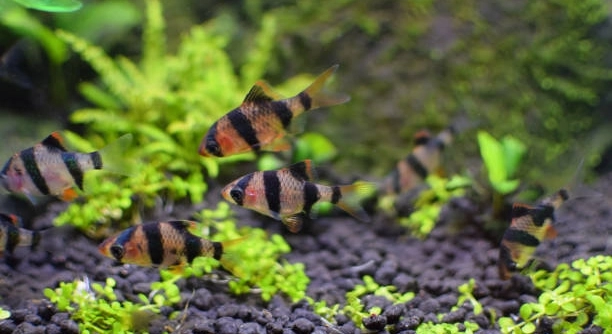
Barb mating behavior shows a range of unusual actions that can seem puzzling at first glance. These behaviors have evolved over time to increase the chances of successful reproduction. Understanding these actions offers insight into the complex nature of barb reproduction.
Seven strange behaviors during barb mating include fin displays, circling movements, sudden bursts of swimming, color changes, substrate nudging, biting gestures, and spawning site guarding. Each behavior plays a specific role in courtship and fertilization success in barb species.
Exploring these behaviors reveals fascinating details about barb mating strategies and their adaptations for survival and reproduction.
Fin Displays During Courtship
Barbs often use their fins to communicate during mating. The male will flare his fins wide to appear larger and more attractive to the female. This display signals strength and readiness to mate. The fins also help in showing off bright colors that can catch the female’s attention. This behavior can last several minutes and may repeat multiple times during the courtship. Fin displays serve as both a warning to rival males and a way to entice females. Observing these displays helps understand the subtle language barbs use in their mating rituals. The movements are usually slow and deliberate, making the male stand out among others. This form of signaling is common across many fish species but has unique patterns in barbs.
This fin display helps establish dominance and attract mates effectively in their natural habitat.
Fin displays are one of the most visible and important behaviors barbs use to communicate mating intentions, highlighting their complex social interactions.
Circling Movements
Circling is a common behavior during barb mating where the male and female swim around each other in tight loops. This movement helps the pair stay close and coordinate their actions before spawning. Circling can also reduce aggression, as it allows the fish to size each other up calmly. During this time, the male often shows his best colors and fin positions to impress the female. This behavior sets the stage for the next phase of mating, which involves more active interaction. It is a subtle but important step that helps synchronize their movements. The circling usually happens near plants or other cover, where spawning will occur. This pattern is essential for successful fertilization, ensuring the eggs are laid in a safe environment.
Circling helps coordinate spawning and ensures the pair is synchronized before the eggs are released. It plays a quiet but vital role in barb reproduction.
Sudden Bursts of Swimming
Sudden bursts of swimming are quick, intense movements made by the male barb during courtship. These bursts help grab the female’s attention and demonstrate his vitality.
These rapid movements show the male’s strength and fitness, signaling good genes for offspring. The bursts can also intimidate rival males by showing dominance. Usually, these sprints are followed by slower, more controlled swimming as the male tries to stay close to the female. This contrast in speed highlights the male’s agility, making him more attractive. The bursts may also help in stimulating the female to prepare for spawning. It’s a dynamic way for the male to stand out without direct confrontation.
In addition, these bursts can help the male quickly reposition himself near the female or spawning site. This agility is important in crowded or competitive environments, ensuring he maintains his chance to mate successfully.
Color Changes
Color changes during mating are subtle but meaningful signals in barbs. Males often become brighter or shift hues to attract females.
These changes are controlled by hormonal shifts that activate pigment cells in the skin. The brighter colors signal health and readiness to mate. Females respond positively to males with vivid coloration, as it suggests strong genetics. Color shifts can also act as warnings to other males, establishing territory without physical fights. This temporary transformation usually lasts through the courtship phase and fades after spawning. The change helps males stand out in their environment, especially among plants or rocky backgrounds. For females, this visual cue aids in selecting the most suitable mate from multiple contenders.
In some species, females also change color slightly to indicate their readiness to spawn. These color signals create a visual dialogue that supports successful mating and species continuation.
Substrate Nudging
Substrate nudging is when the male barb gently pushes or taps the bottom surface. This action encourages the female to lay eggs.
This behavior helps prepare the spawning site by clearing debris or signaling readiness. Nudging also stimulates the female’s response during mating.
Biting Gestures
Biting gestures are subtle nips males use to gain the female’s attention or assert control during mating. These nips are gentle and rarely cause harm.
This behavior balances between courtship and dominance, helping the male maintain position while avoiding aggression. It plays a role in the complex communication between partners before spawning.
Spawning Site Guarding
Male barbs often guard the spawning site closely to protect eggs from predators and rivals. This guarding behavior increases the chances of successful fertilization.
The male stays near the eggs, chasing away intruders and maintaining a safe environment until the eggs hatch. This protective role is essential in ensuring the survival of the offspring.
What causes barbs to display strange behaviors during mating?
Barbs exhibit unusual behaviors during mating as a way to communicate and increase reproductive success. These behaviors, like fin displays and circling, are instinctive signals that help attract mates and reduce conflicts. Over time, natural selection favored these actions because they improve chances of fertilization and protect offspring.
Why do male barbs change color during mating?
Color changes in male barbs occur due to hormonal shifts that enhance their visual appeal to females. Bright colors indicate health and genetic fitness, making the male more attractive. This change also serves as a warning to rival males about territorial boundaries. The color shift is temporary and fades after the mating process.
How does circling benefit the barb mating process?
Circling allows the male and female to synchronize their movements before spawning. This close, controlled swimming helps reduce aggression and ensures that both are ready for egg laying and fertilization. Circling also helps the male showcase his colors and fin displays in a calm setting, improving courtship success.
What role do sudden bursts of swimming play in courtship?
Sudden bursts of swimming by the male demonstrate agility and vitality. These quick movements capture the female’s attention and signal strong genetics. They can also intimidate rival males by showing dominance without direct fighting. This behavior helps maintain proximity to the female and the spawning site.
Why do male barbs nudge the substrate during mating?
Substrate nudging helps prepare the spawning site by clearing debris and encouraging the female to release eggs. It also acts as a physical signal of readiness, stimulating the female’s reproductive response. This behavior ensures the eggs are laid in a safe and clean environment, increasing survival chances.
What is the purpose of biting gestures in barb mating?
Biting gestures are gentle nips the male uses to keep the female’s attention or assert mild control. This helps maintain the male’s position without causing harm or aggressive conflict. Biting plays a part in the delicate balance of communication during mating and courtship.
How important is spawning site guarding?
Spawning site guarding is crucial for protecting eggs from predators and rival males. The guarding male stays close to chase away threats, increasing the likelihood that the eggs will hatch successfully. This protective behavior ensures the survival of the next generation.
Do females also show strange behaviors during mating?
Yes, female barbs may change color or respond to male signals by adjusting their swimming patterns. These behaviors indicate readiness to spawn and help coordinate the mating process. Female responses are important for successful fertilization and indicate their choice of mate.
How do these behaviors differ among barb species?
While the basic behaviors like fin displays and circling are common, the exact patterns and intensity vary by species. Some species may rely more on color changes, while others emphasize physical movements. These differences reflect adaptations to specific environments and mating strategies.
Can these mating behaviors be observed in home aquariums?
Many barb behaviors can be seen in home tanks if conditions are right. Proper environment, including plants and clean substrate, encourages natural courtship. However, stress or overcrowding may suppress these behaviors. Observing them requires patience and understanding of barb habits.
The strange behaviors observed during barb mating show just how complex and fascinating these fish really are. Each action, from fin displays to substrate nudging, has a specific purpose that helps increase the chances of successful reproduction. These behaviors are not random but carefully evolved signals that allow barbs to communicate with each other and prepare for spawning. Understanding these behaviors helps us appreciate the natural instincts that guide barbs in their environment.
Many of these behaviors, such as color changes and circling, serve both practical and social functions. They help the fish find the right partner, coordinate their movements, and protect their offspring. Even the more subtle actions like biting gestures or sudden bursts of swimming play important roles in the mating process. Observing these behaviors can give a clearer picture of how barbs interact with each other and respond to their surroundings. This knowledge is valuable for anyone interested in keeping barbs or studying fish behavior.
Overall, the mating rituals of barbs highlight the balance between survival and reproduction in nature. The male’s efforts to attract and protect, and the female’s responses, ensure the continuation of their species. By paying attention to these strange behaviors, we gain insight into the delicate communication that takes place beneath the water’s surface. This understanding can improve how we care for barbs and support their natural habits in both wild and captive settings.

Hello,
If you enjoy the content that we create, please consider saying a "Thank You!" by leaving a tip.
Every little bit helps us continue crafting quality advice that supports the health, happiness, and well-being of pets around the world, for pets of all shapes, sizes, and species.
We really appreciate the kindness and support that you show us!