
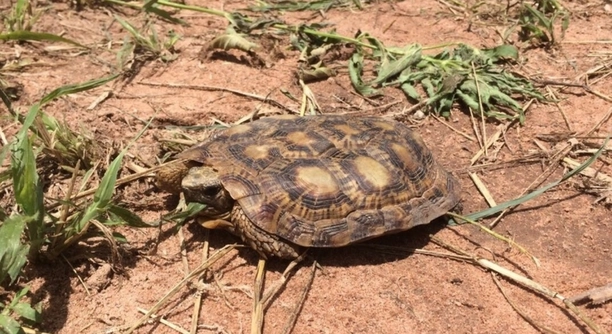
Is your pancake tortoise stuck on its back, leaving you unsure of what to do? This situation can be stressful, but knowing the right steps can help you act quickly and safely to assist your pet.
The best way to help a pancake tortoise that has fallen on its back is to gently turn it over using slow, careful movements. Avoid shaking or flipping it too quickly, as this could cause stress or injury.
Understanding why this happens and how to prevent it can help keep your tortoise safe. Taking simple precautions can make a big difference in your pet’s well-being.
Why Pancake Tortoises End Up on Their Backs
Pancake tortoises are unique because of their flat shells, which allow them to squeeze into tight spaces. However, this shape makes them more vulnerable to flipping over. Uneven surfaces, climbing attempts, or sudden movements can cause them to lose balance. When this happens, they may struggle to turn themselves upright, increasing their stress levels. Unlike other tortoises, their lightweight bodies make it difficult to push against the ground for support. If left on their backs too long, they can become weak or even have trouble breathing. Ensuring a stable environment with minimal hazards can prevent these accidents.
Tortoises often end up in this position due to improper tank setup. Rocks, logs, or steep surfaces can cause instability, leading to a fall. Simple adjustments can help create a safer space.
Choosing the right enclosure setup and monitoring your tortoise’s movements can help reduce the chances of flipping incidents. A few small changes can make a big difference.
How to Safely Flip Your Tortoise Over
Flipping a pancake tortoise over requires careful handling to avoid injury. The best way is to gently grasp the sides of its shell and slowly tilt it back onto its feet. Quick or rough movements can cause stress.
Make sure to place your tortoise on a flat, stable surface after flipping it. This helps prevent another fall. If your tortoise struggles to move after being turned over, monitor it closely for any signs of distress. Long periods on its back can cause exhaustion, so it may need time to recover. Keeping it hydrated and comfortable can help. If it does not regain normal movement, consulting a reptile veterinarian is recommended.
Taking the right precautions can prevent future accidents. A well-designed habitat, along with careful supervision, ensures your tortoise stays safe and healthy.
Signs of Stress After a Fall
A tortoise that has been on its back for too long may show signs of stress. Heavy breathing, lack of movement, or reluctance to eat can indicate distress. It is important to monitor its behavior closely after an incident.
If your tortoise appears weak or disoriented, give it time to rest in a quiet space. Offer fresh water and check for any visible injuries. Sometimes, a fall can cause bruising or soreness, even if no external injuries are visible. If your tortoise struggles to walk or seems lethargic, it may need extra warmth and hydration. Keeping its environment stable and calm will help reduce stress.
Stress can take time to fade, so patience is key. Keep a close eye on its eating habits and movement over the next few days. If symptoms persist or worsen, consulting a reptile veterinarian is the best option.
Preventing Future Accidents
A well-designed enclosure reduces the chances of your tortoise flipping over. Avoid steep climbing structures and provide stable, low surfaces. Smooth, flat areas help prevent falls while still allowing natural movement. A secure, well-arranged space is essential for your tortoise’s safety.
Check the habitat regularly for any objects that could cause instability. Heavy rocks or decorations should be positioned carefully to prevent tipping. Soft, non-slip substrate can also help your tortoise maintain better grip while walking. If you notice repeated falls, adjusting the enclosure layout is necessary. Creating a safe space ensures your tortoise can explore without unnecessary risks.
Adjusting the Habitat for Safety
A low-risk habitat reduces the chances of accidents. Keep climbing structures minimal and ensure all surfaces are stable. Secure any loose decorations and avoid placing objects too close together, as tight spaces can lead to falls. Small adjustments can make a big difference in keeping your tortoise safe.
Lighting and temperature also play a role in preventing accidents. A tortoise that is too cold may struggle to move properly, increasing the risk of falling. Ensure your enclosure has proper heat and UVB lighting to support healthy movement. A well-maintained environment helps prevent unnecessary stress and injuries.
When to Seek Veterinary Help
If your tortoise remains weak, refuses to eat, or shows signs of injury after being flipped, a vet visit is necessary. Internal injuries or dehydration can worsen over time, making early intervention important. A reptile veterinarian can assess its condition and recommend proper treatment if needed.
Keeping Your Tortoise Safe Long-Term
Regularly checking the enclosure setup helps prevent accidents. Observing your tortoise’s movements can alert you to potential hazards. Simple changes and careful monitoring go a long way in ensuring its safety.
FAQ
How long can a pancake tortoise stay on its back?
A pancake tortoise should not stay on its back for more than a few minutes. If left in this position too long, it can struggle to breathe and become weak. In extreme cases, prolonged time on its back can cause serious stress or even be fatal. If you notice your tortoise flipped over, it is important to act quickly and help it return to a normal position.
Can a pancake tortoise flip itself back over?
Unlike other tortoises, pancake tortoises have flatter, more flexible shells, which make it harder for them to right themselves. In some cases, they may be able to roll onto their side and push themselves over if they are on a soft or uneven surface. However, if they are on a hard, flat surface, they may struggle to regain balance. Helping them as soon as possible reduces stress and prevents exhaustion.
What should I do immediately after flipping my tortoise over?
After flipping your tortoise over, observe its behavior for a few minutes. Make sure it is breathing normally and moving without difficulty. If it seems disoriented or weak, place it in a warm, quiet area and provide fresh water. Sometimes, a tortoise may need time to recover, especially if it has been upside down for a while. If it continues to act strangely, checking with a veterinarian is a good idea.
Why does my pancake tortoise keep flipping over?
Frequent flipping can be a sign of an unstable habitat. If your tortoise is climbing objects that are too steep or walking on slippery surfaces, it may lose balance easily. Reassess the enclosure setup and remove any hazards. Weakness or illness can also contribute to balance issues. If your tortoise struggles to move properly, it may need a vet checkup to rule out underlying health problems.
Can stress from being flipped over cause long-term harm?
Short-term stress is common, but if a tortoise is frequently flipped over, it can develop ongoing anxiety or health issues. Repeated falls can lead to bruising, breathing difficulties, or even long-term mobility problems. Ensuring a safe environment and minimizing the risk of falls helps prevent these issues. If your tortoise continues to act fearful or sluggish after being flipped, monitor it closely and consult a veterinarian if needed.
How can I prevent my tortoise from flipping over in the future?
A safe habitat setup is key to preventing falls. Use a non-slip substrate, avoid steep climbing areas, and keep rocks or decorations secured. If you notice your tortoise struggling to navigate its enclosure, small changes like lowering platforms or adjusting decorations can help. Regularly monitoring its movements can also prevent accidents before they happen.
What are the signs that my tortoise is injured after a fall?
If your tortoise moves slower than usual, refuses to eat, or has difficulty walking, it may have an injury. Check for any visible wounds, swelling, or unusual breathing patterns. Even if there are no external injuries, internal damage could be present. If your tortoise does not recover within a day, a veterinary visit is recommended.
Do pancake tortoises flip over more often than other tortoises?
Pancake tortoises are more agile than other tortoises, but their unique shell shape makes them more prone to flipping if they climb unstable surfaces. Their lightweight bodies allow them to move quickly, which sometimes results in losing balance. While they do not flip as easily as some heavier tortoise species, they still require a stable environment to stay safe.
Should I be worried if my tortoise is not moving after being flipped?
A tortoise that remains still after being flipped could be in shock or extremely tired. Give it time to recover in a warm, quiet space. If it does not regain normal movement within a few hours, check for other signs of distress. If it continues to be unresponsive, seeking veterinary care is the safest option.
What is the best way to handle my tortoise when flipping it over?
Always handle your tortoise gently, using slow and steady movements. Support its shell on both sides and tilt it back onto its feet rather than flipping it too quickly. Sudden movements can cause stress or even minor injuries. If your tortoise struggles while being handled, staying calm and using a soft grip can help keep it comfortable.
Final Thoughts
Keeping your pancake tortoise safe requires careful attention to its environment and behavior. Falls can happen, but taking the right steps can prevent serious harm. A stable enclosure with minimal climbing hazards helps reduce the risk of accidents. Regularly checking the habitat setup ensures your tortoise has a secure and comfortable space. Simple changes, like using a non-slip substrate and securing decorations, make a big difference. Observing your tortoise’s movements also helps identify potential dangers early. If you notice repeated flipping, adjusting the enclosure is necessary to keep your tortoise safe.
When a pancake tortoise falls on its back, acting quickly is important. Gently flipping it over and monitoring for signs of stress can prevent complications. Short-term disorientation is normal, but prolonged weakness or loss of appetite may indicate a problem. Providing a calm environment, fresh water, and proper warmth helps with recovery. If your tortoise shows signs of injury or does not regain normal activity, seeking veterinary care is the best option. Even if no visible wounds are present, internal injuries or dehydration could be a concern. Early intervention can prevent serious health issues and ensure your tortoise remains in good condition.
Tortoises rely on their owners to create a safe and stable living space. Preventing falls and responding properly when they happen helps keep your pet healthy and stress-free. Regular observation, a well-maintained habitat, and gentle handling all contribute to their overall well-being. By making small adjustments and staying aware of potential risks, you can greatly reduce the chances of your tortoise flipping over. Taking the time to provide a safe environment ensures your pancake tortoise can thrive without unnecessary stress or danger.

Hello,
If you enjoy the content that we create, please consider saying a "Thank You!" by leaving a tip.
Every little bit helps us continue crafting quality advice that supports the health, happiness, and well-being of pets around the world, for pets of all shapes, sizes, and species.
We really appreciate the kindness and support that you show us!