
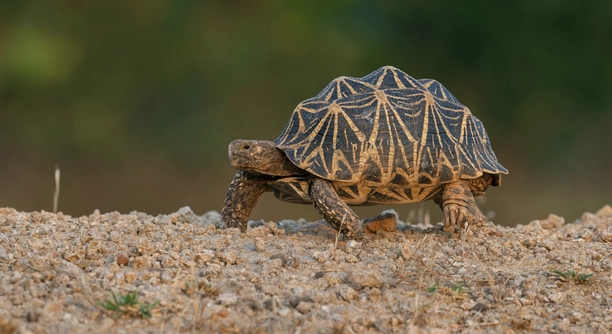
Creating the perfect habitat for a turtle requires careful planning. It’s important to understand their needs to ensure they thrive. With a little effort, you can create a space that mimics their natural environment.
Setting up the ideal turtle habitat involves creating a balanced environment with the right temperature, lighting, water conditions, and space. Ensuring proper filtration, hiding spots, and a basking area will also promote the turtle’s health and comfort.
A turtle’s habitat should support its well-being for a long, healthy life. By following these steps, you can create the ideal environment for your pet.
Choosing the Right Tank Size
When setting up your turtle’s habitat, the tank size is one of the most important factors. The general rule is to have at least 10 gallons of water per inch of your turtle’s shell length. This allows enough space for your turtle to swim, explore, and thrive. It’s also crucial to give your turtle space to move on land, as they need both aquatic and dry areas. Be sure to provide a tank that suits their future growth too. A small tank will quickly become cramped, stressing your turtle out and making it harder to maintain the water quality.
You’ll want to invest in a tank that provides both room to swim and a dry basking spot. If you already have a turtle, consider its full adult size when choosing the tank.
A tank with the right size will ensure your turtle can move freely, offering ample space to swim and bask. This reduces stress, helps maintain a stable environment, and can minimize problems related to water quality. It also allows your turtle to engage in its natural behaviors, which is vital for its health. A cramped tank can result in stunted growth, poor water conditions, and increased risk of illness. If you’re unsure of what size to pick, err on the side of a larger tank. Your turtle will appreciate the extra space, and you will benefit from the added stability it provides.
Setting Up the Proper Water Conditions
Water quality is crucial in keeping your turtle healthy. Fresh, clean water helps prevent diseases and keeps your turtle comfortable. You’ll need a good filtration system to keep the water clean and reduce the frequency of water changes.
A proper filter can help maintain clean water for your turtle. However, you should also test the water for ammonia, nitrites, and nitrates to ensure it’s safe.
To maintain water conditions, make sure the temperature stays between 75-80°F (24-27°C) for aquatic turtles. Also, regularly clean the tank and replace the water to prevent harmful bacteria from building up. Additionally, adding a water heater can help you keep the temperature consistent, which is essential for your turtle’s health. Turtles are sensitive to drastic temperature changes, which can lead to stress or illness. The filtration system should be chosen based on the size of your tank and the number of turtles you have. Always remember to clean the filter periodically to keep it working properly.
Choosing the Right Basking Area
Your turtle needs a dry spot where it can bask in the heat. This area is important for regulating their body temperature and promoting good digestion. Make sure the basking spot is easily accessible and large enough for your turtle to move around comfortably.
The basking area should be positioned under a heat lamp that provides warmth of 85-90°F (29-32°C). You can use a smooth rock, a dock, or a floating platform to give your turtle a place to dry off. The platform should be sturdy and allow your turtle to climb out of the water easily.
It’s also important that the basking area is dry and comfortable. Turtles prefer a warm, flat surface to rest on. Avoid using rough materials that could injure their soft underbelly. You can add a UVB light source above the basking area to mimic the sun’s natural rays, which is necessary for your turtle’s overall health. Without proper UVB exposure, turtles may develop shell problems or other health issues.
Providing Proper Lighting
Lighting is key to your turtle’s health. A combination of UVB and heat lighting will keep your turtle happy and active. UVB light helps your turtle synthesize Vitamin D3, which is crucial for calcium absorption and healthy shell growth.
Position a UVB light over the basking area, ensuring it stays on for 10-12 hours a day. This will give your turtle the light cycle it needs to thrive. Without proper UVB exposure, your turtle may suffer from weakened bones, poor shell health, and even metabolic bone disease. Make sure to replace the UVB light regularly, as it loses effectiveness after a few months, even if it still appears to be working.
Heat lamps should also be part of the setup to maintain the right temperature on the basking spot. The heat source is essential for helping your turtle regulate its body temperature. Avoid placing the light too close, as excessive heat can stress your turtle. The key is balancing warmth and light to create a natural, sun-like environment.
Choosing the Right Substrate
Choosing the right substrate is essential for your turtle’s comfort and health. You can use smooth gravel, aquarium sand, or reptile carpet. Avoid sharp rocks that could injure their soft underbelly. The substrate should also be easy to clean and maintain.
A good substrate helps mimic the natural environment and keeps the tank clean. Avoid using materials that could cause harm or be hard to clean. Proper cleaning is necessary to maintain water quality, as organic matter can build up quickly. Consider the type of turtle you have when selecting a substrate, as some species prefer different environments.
Adding Hiding Spots
Turtles need places to hide to feel safe. Adding rocks, logs, or specially designed hides will help your turtle feel secure. This is especially important for stressed or shy turtles.
These hiding spots provide privacy and reduce stress. They also create a more natural environment for your turtle, which is vital for their well-being. Try to place hiding spots near the water’s edge so your turtle can easily access them.
Ensuring Proper Temperature Control
Temperature control is one of the most important factors for a turtle’s health. Maintaining both water and basking area temperatures within the ideal range will keep your turtle active and comfortable. Use a thermometer to monitor the environment closely.
FAQ
How often should I clean my turtle’s tank?
Cleaning your turtle’s tank should be done regularly to prevent harmful bacteria and maintain water quality. You should remove waste and uneaten food daily, and replace 25-50% of the water every 1-2 weeks. A full cleaning, including scrubbing the tank, should be done every 1-2 months, depending on the tank’s size and the number of turtles.
What do I feed my turtle?
Turtles are omnivores, so their diet should consist of a mix of protein, vegetables, and fruits. You can feed them commercial turtle pellets, leafy greens (like collard greens, kale, and dandelion greens), and occasional fruits such as strawberries or melons. For protein, offer them worms, crickets, or fish. Avoid feeding them too much fruit, as it can cause digestive problems.
How can I tell if my turtle is sick?
Sick turtles may show signs such as a lack of appetite, lethargy, abnormal swimming, or an open mouth with labored breathing. You might also notice shell abnormalities, swollen eyes, or a lack of normal activity. If your turtle shows any of these signs, it’s important to consult a vet who specializes in reptiles as soon as possible.
What kind of filtration system does my turtle need?
Your turtle needs a strong filter that can handle the tank’s size. It should be able to circulate the water effectively and remove waste. Look for a filter rated for the tank size and remember that turtles produce more waste than fish. A canister filter or a powerful hang-on-back filter is ideal for keeping the water clean.
Can I keep multiple turtles together in the same tank?
It is possible to keep multiple turtles in the same tank, but it requires careful planning. Turtles are territorial creatures, and they may become aggressive if they feel crowded or stressed. Make sure there is enough space for each turtle, multiple basking areas, and hiding spots. If you notice fighting or aggression, consider separating them into different tanks.
Do turtles need UVB light?
Yes, UVB light is essential for turtles. UVB rays help them produce Vitamin D3, which is necessary for calcium absorption and healthy shell growth. Without proper UVB exposure, turtles can develop shell deformities and metabolic bone disease. Provide a UVB light source over the basking area and replace it every 6 months, even if it still seems to work.
How do I maintain the correct temperature in the tank?
To maintain the right temperature, use a combination of a water heater for the tank and a heat lamp for the basking area. The water temperature should be between 75-80°F (24-27°C), and the basking area should stay between 85-90°F (29-32°C). Use thermometers in both areas to keep track of the temperatures, as extreme heat or cold can cause stress or illness.
Can I let my turtle roam outside of the tank?
While turtles enjoy some time out of their tank, it’s important to supervise them. Make sure the space is safe and secure, free from predators and other hazards. A designated outdoor enclosure with a shallow water area and proper shelter can work well, but be cautious of temperature extremes and ensure your turtle has a way to escape the sun if needed.
How long do turtles live?
Turtles can live for many years, with some species reaching 30-50 years or even longer. The lifespan depends on the species, care, and environment. Proper habitat, diet, and regular vet check-ups can help ensure your turtle lives a long, healthy life. Some turtles, like the red-eared slider, can live well into their 20s or longer in captivity.
Is it okay to keep a turtle in a tank with other aquatic animals?
It’s not recommended to house turtles with other aquatic animals unless they are compatible. Many turtles are carnivorous and may try to eat fish, snails, or other small creatures. If you do keep them together, ensure there is plenty of space, hiding spots, and that the animals’ needs align. Always monitor the tank for any signs of stress or aggression.
How do I know if my turtle needs to hibernate?
Not all turtles hibernate, but some species, like box turtles, naturally undergo a period of dormancy in the colder months. You may notice your turtle becoming less active, eating less, or seeking out a hiding spot. If your turtle is showing signs of hibernation, consult with a vet to ensure that it’s safe and healthy to allow the process to happen. Ensure the tank temperature is kept stable to prevent any health issues during this time.
What kind of decorations can I put in the tank?
Decorations can enhance your turtle’s habitat by providing hiding spots, climbing areas, and a more natural environment. Use smooth rocks, logs, or floating platforms for basking. Avoid sharp or breakable objects, as they could harm your turtle or cause injury. Plastic plants are fine as long as they don’t have sharp edges. Ensure all decorations are safe and easy to clean.
Final Thoughts
Setting up the perfect turtle habitat is about more than just filling a tank with water. It involves creating an environment that meets your turtle’s physical and emotional needs. A well-planned tank ensures your turtle can thrive, whether it’s swimming freely or basking in the warmth. The right combination of water conditions, temperature, lighting, and space will make all the difference in your turtle’s overall health. It’s essential to keep these elements in mind to avoid stress, discomfort, and health issues.
Creating a comfortable habitat requires ongoing care and attention. Regular water changes, cleaning, and monitoring temperature are key to maintaining a healthy environment. Investing in a proper filtration system can save you time and effort by keeping the water clean for longer. It’s also important to adjust the setup as your turtle grows. Larger turtles need more space, so be ready to upgrade their habitat if needed. A little extra effort will pay off by ensuring your turtle remains active and healthy.
Remember, turtles can live for many years, so setting up the right environment is an investment in their long-term health. A suitable tank that mimics their natural habitat will support them through their entire life. Keep an eye on their diet, lighting, and overall well-being. With a bit of research and effort, you’ll create a space where your turtle feels comfortable, safe, and happy. Taking the time to provide the best habitat ensures your turtle will live a healthy, stress-free life.

Hello,
If you enjoy the content that we create, please consider saying a "Thank You!" by leaving a tip.
Every little bit helps us continue crafting quality advice that supports the health, happiness, and well-being of pets around the world, for pets of all shapes, sizes, and species.
We really appreciate the kindness and support that you show us!