
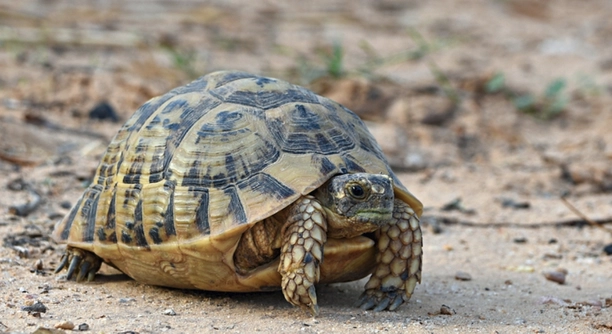
Introducing two Greek tortoises into the same environment can be a delicate process. Ensuring their safety and comfort is essential for their wellbeing. Knowing the right steps can help create a peaceful and healthy living situation for both.
The safest way to introduce two Greek tortoises is to gradually acclimate them to each other’s presence. Start by placing them in separate enclosures near each other, allowing them to adjust to each other’s scent before a direct introduction.
These steps will help ensure a smooth transition for your tortoises. The following guide provides detailed instructions for a successful introduction process.
Step 1: Prepare Separate Enclosures
Before introducing two Greek tortoises, it is essential to prepare two separate enclosures. Each tortoise should have its own space to establish territory and feel secure. The enclosures should be spacious enough to allow free movement and contain everything needed for their basic needs, such as heat sources, hide spots, and access to food and water.
A calm and comfortable environment will help reduce stress for the tortoises. If they are not accustomed to each other, keeping them separate initially prevents any aggressive behavior. This is important for preventing injury or stress as they acclimate to each other’s presence.
The key to a successful introduction begins with having a neutral environment. By keeping them separate at first, you allow both tortoises time to adjust. During this time, monitor them closely, observing their behavior and reactions to each other’s scent.
Step 2: Scent Familiarization
Next, start the scent familiarization process. Keep the two enclosures close together so the tortoises can get used to the scent of each other. This step is important as tortoises rely heavily on their sense of smell to recognize others. Familiarizing them with each other’s scent before direct contact will ease the eventual introduction.
By placing their enclosures near one another for several days, the tortoises will become accustomed to the presence of the other without feeling threatened. This gradual introduction method allows them to adjust at their own pace and reduces the likelihood of aggressive reactions when they meet face to face. It also gives the tortoises the opportunity to adjust their behavior and avoid confrontation during the direct interaction. Patience is key in this stage to ensure a smooth transition.
Step 3: Gradual Introduction
Once the tortoises are familiar with each other’s scent, it is time to allow them to meet. Begin by placing them in a neutral space. This area should not be part of either tortoise’s territory, as this could provoke territorial behavior.
Place both tortoises in the neutral area and allow them to move around freely. Keep a close watch on their interactions. Observe how they react to one another. In the early stages, there may be some head bobbing, mild chasing, or even a bit of initial aggression. This behavior is normal as they establish social boundaries. If one tortoise appears overly stressed or aggressive, separate them and try again later.
Monitor each interaction, making sure both tortoises have space to retreat if they feel threatened. Keeping the sessions short and gradually increasing the duration can help both tortoises become more comfortable with each other over time.
Step 4: Monitor Behavior Closely
During the introduction process, it’s important to monitor the tortoises’ behavior. Signs of aggression can include biting, chasing, or excessive head bobbing. If any of these behaviors escalate, separate them immediately to avoid injury.
Allow them to meet multiple times in a controlled setting. A gradual process with close supervision ensures that the tortoises understand each other’s limits. Some slight aggression or dominance behavior is common but should not result in serious harm. If either tortoise shows signs of distress, it may be helpful to give them a break and let them cool down before trying again.
Step 5: Provide Retreat Options
Make sure the space includes hide spots or areas where each tortoise can retreat if needed. Tortoises may feel overwhelmed by the presence of the other, so having places to hide allows them to find comfort.
These retreats can be simple, such as a rock or a small enclosure that gives them the option to withdraw when feeling stressed. Having this safe space will help reduce tension during the introduction process, allowing both tortoises to feel in control of the situation.
Step 6: Evaluate the Relationship
After several supervised interactions, evaluate how the tortoises are adjusting to one another. Look for signs of calmness, such as sharing the same space without aggression or constantly avoiding each other. If they seem comfortable, they may be ready for full-time cohabitation.
If the tortoises are still showing aggression, it’s best to continue with supervised meetings and allow more time for the process. Be patient and give them the space they need to adjust. Full integration should never be rushed, as each tortoise has its own pace of acclimation.
Step 7: Move to Permanent Housing
Once both tortoises are consistently interacting calmly, they can be moved into a shared permanent space. Make sure the enclosure is large enough for both to live comfortably and that it meets all their needs.
Both tortoises should have access to food, water, and basking areas without competition. Watch their behavior closely in the first few days to ensure they are adjusting well. Any signs of aggression should be addressed immediately by separating them and retrying later. This gradual process will lead to a peaceful cohabitation.
FAQ
How do I know if my tortoises are ready to meet?
You can tell your tortoises are ready when they have successfully acclimated to each other’s scent through the separate enclosures. The gradual introduction process, including scent familiarization, should be followed by short, controlled meetings. If they show signs of aggression or stress during the initial meetings, they may not yet be ready.
What should I do if my tortoises are aggressive?
If your tortoises are showing aggression, it’s important to separate them immediately. Aggression can include chasing, biting, or prolonged head bobbing. Give them time to calm down and try reintroducing them after a few days. Continuing the gradual introduction process will help ease the tension.
Can I use a larger enclosure to avoid aggression?
A larger enclosure can help, but size alone won’t prevent aggression. Tortoises can still feel territorial even in bigger spaces. Providing separate areas for each tortoise to retreat to, along with scent familiarization and supervised meetings, is essential to a peaceful introduction.
How long does the introduction process take?
The introduction process can take anywhere from a few weeks to a couple of months, depending on the tortoises’ personalities. Some tortoises may get along quickly, while others may need more time to adjust. Patience is key to ensuring a successful introduction.
Should I be concerned about one tortoise being dominant?
It’s normal for one tortoise to establish dominance, especially during the initial stages of introduction. However, if the dominant tortoise is constantly bullying or chasing the other, it may be necessary to separate them and reconsider the introduction process. Allowing them space and time may help reduce dominance struggles.
What if my tortoises don’t get along after multiple attempts?
If your tortoises still don’t get along after several attempts, it might be best to house them separately. Some tortoises simply do not tolerate cohabitation, and forcing them to live together can lead to constant stress or injury. Consulting a reptile specialist could help you determine if cohabitation is possible.
Is it necessary to provide both tortoises with their own food?
Yes, each tortoise should have its own access to food, especially during the introduction phase. This ensures that neither tortoise feels threatened or competitive about resources. Once they are comfortable with each other, they may begin sharing space without issues, but food should always be available to both.
How do I create a neutral space for the introduction?
A neutral space should be one where neither tortoise has spent time before, avoiding the risk of territorial behavior. This could be a clean, flat surface or a new area of their enclosure. The goal is to have a location where both tortoises feel equally unfamiliar and comfortable.
Can I introduce two Greek tortoises of different sizes?
Yes, but you should be cautious. The smaller tortoise might feel more threatened by the larger one, which could lead to stress or injury. Monitor their interactions closely and separate them if the smaller tortoise appears too intimidated or aggressive toward the larger one.
How can I tell if my tortoises are stressed during the introduction?
Signs of stress in tortoises include hiding, lack of movement, or frequent defensive behaviors such as head retraction or hissing. If either tortoise exhibits these signs, it’s best to separate them and allow more time for the introduction process to take place.
Final Thoughts
Introducing two Greek tortoises requires patience, careful observation, and a gradual approach. The process can take time, but with proper steps, they can coexist peacefully. It is crucial to start by introducing them to each other’s scent, ensuring they are familiar before direct interactions. This reduces stress and prepares them for future encounters.
During the introduction, monitoring their behavior is key. Small signs of aggression, like head bobbing or chasing, may be normal, but it’s important to separate them if these behaviors escalate. Giving them plenty of space to retreat to their own areas is essential to avoid overwhelming them. Each tortoise should feel comfortable and have its own territory where it can retreat if needed.
In the end, it’s important to remember that not all tortoises will get along, and that’s okay. If after several attempts they don’t seem to tolerate each other, it may be better to house them separately. Forced cohabitation can lead to stress or even injury, so being attentive to their needs is vital. Always be patient and allow them to adjust at their own pace.

Hello,
If you enjoy the content that we create, please consider saying a "Thank You!" by leaving a tip.
Every little bit helps us continue crafting quality advice that supports the health, happiness, and well-being of pets around the world, for pets of all shapes, sizes, and species.
We really appreciate the kindness and support that you show us!