
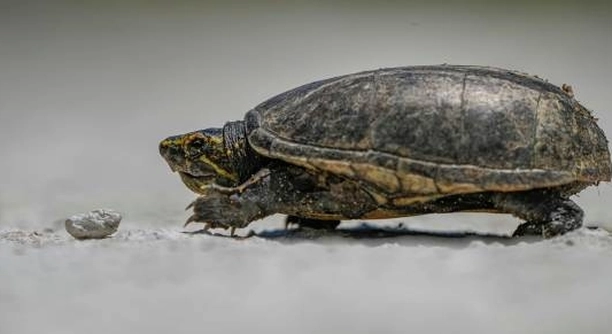
Hatching musk turtle eggs at home can be a rewarding experience for pet owners. Ensuring the right environment and conditions is crucial for their success. Understanding the process helps you provide the best care for your hatchlings.
The process of safely hatching musk turtle eggs involves controlling temperature, humidity, and incubation time. Ensuring the eggs are placed in an appropriate environment that mimics their natural conditions will significantly increase the chances of successful hatching.
Knowing these steps will allow you to confidently hatch musk turtle eggs at home and support your turtle’s development.
Preparing the Right Environment for Musk Turtle Eggs
Creating the perfect environment for your musk turtle eggs is essential for hatching. The eggs need warmth, humidity, and the right level of ventilation. A temperature range of 80-85°F is ideal for incubation. Any fluctuation outside of this range can be detrimental to the developing eggs. Humidity should be kept at around 80%, ensuring the eggs do not dry out. An incubator or a well-ventilated container with proper humidity control will help maintain these conditions. Choosing the right substrate is also crucial—vermiculite or perlite works well to retain moisture and prevent overheating. Be sure to check the eggs periodically for signs of moisture or temperature changes, adjusting the environment as needed. The right setup can significantly improve the chances of successful hatching, giving your turtle eggs the best start.
It’s also important to consider the size of the container you use. The eggs should not be overcrowded, and each should have space to breathe.
Maintaining a consistent, stable environment will increase the likelihood of successful hatching. Overheating or excess dryness can harm developing embryos. Regularly monitor conditions to avoid any drastic changes that might disrupt the process.
Incubation Time and Patience
Musk turtle eggs usually take anywhere from 60 to 90 days to hatch, depending on the temperature and humidity. During this time, it’s important not to disturb the eggs too often, as this can disrupt their development. You should check on them periodically to ensure the temperature and humidity are stable but avoid excessive handling. Keeping the eggs in a safe, quiet location where they won’t be disturbed by noise or vibration is crucial. Consistency and patience are key, as premature attempts to “check” on the eggs too frequently can cause unnecessary stress or disruption. Allowing the natural incubation process to take place is essential for successful hatching. It’s not an instant process, but with the right setup and proper care, your turtle eggs will develop into healthy hatchlings.
This step may seem like waiting, but it is critical for the healthy development of the eggs.
Patience is a critical factor during incubation. The temperature and humidity must remain stable to ensure proper embryo development, which ultimately leads to hatching success.
Monitoring the Eggs Regularly
Check the eggs once a week to ensure the temperature and humidity are stable. Over-monitoring can cause unnecessary stress to the eggs, so keep disturbances minimal. Use a thermometer and hygrometer to track conditions accurately. It’s important to maintain consistent settings throughout the incubation period. If conditions fluctuate too much, the development of the embryos may be hindered. Pay attention to any signs of mold or dry spots, as these could indicate a problem with the environment. Adjust as necessary, but avoid constant interference.
Monitor the eggs’ appearance as well. If any appear discolored or damaged, it’s best to remove them from the incubator.
While you should avoid handling the eggs too often, regularly inspecting them for any abnormalities is crucial. Keeping everything in check ensures the best conditions for hatching.
Preparing for the Hatchlings
As the hatching period approaches, make sure you have a safe, clean environment for the baby turtles. Prepare a shallow water dish that’s easy for them to access once they emerge. Keeping the hatchlings in a controlled, warm space is essential as they adjust to their new surroundings. Have a container ready to move them into once they hatch, with low water levels for safety. Make sure the setup is clean and free from any contaminants. Hatchlings are fragile, and their first few days should be spent in a calm, safe space with minimal disturbance.
Once hatched, the baby turtles will be weak and may take a few hours to fully emerge from their shells. They will need time to adjust to their environment.
Provide them with a suitable diet once they’ve acclimated. Offer soft foods to help them ease into eating and ensure proper nutrition for growth.
Understanding the Risk of Egg Rot
Egg rot is a serious risk during incubation. It occurs when the eggs become too wet or are exposed to improper conditions. If the eggs smell bad or appear to be leaking, it’s important to remove them immediately. Rotting eggs can contaminate others, causing a loss of the entire clutch. Keeping humidity levels balanced and ensuring proper airflow in the incubator are key to avoiding this issue. Regular checks can prevent mold from forming and eggs from becoming overly saturated. It’s also important to ensure the eggs are not overcrowded, which can restrict airflow.
Eggs that begin to rot may also attract pests, so be mindful of the overall cleanliness of the incubation area.
Once you notice any signs of rot, it’s best to discard the egg to prevent any further contamination. Avoid handling the other eggs more than necessary to reduce the risk of spreading the rot.
Handling the Hatchlings Safely
Once the baby turtles begin to hatch, it’s important to handle them gently. Turtles are fragile and can easily be injured if mishandled. Use soft hands and avoid excessive pressure when lifting them from the incubation container. Always ensure that their environment is safe and secure, with low water levels initially. If possible, let the hatchlings find their way into the water on their own. Handling should be minimal in the first few days to avoid stress. They will need time to recover from the hatching process and adjust to their new habitat.
As the hatchlings start exploring, it’s important to monitor them for any signs of distress.
Their environment should be safe, free from sharp objects or hazards that could harm them. You should also be mindful of temperature, ensuring that the water and air remain within an acceptable range.
Providing Proper Nutrition
After the hatchlings emerge, they need the right food to grow and thrive. Start by offering small, soft food such as finely chopped vegetables or aquatic invertebrates. It’s important to provide a balanced diet to support their development. Avoid offering large, hard foods that may be difficult for young turtles to consume. As they grow, you can introduce more solid foods such as worms or small fish. Ensure the food is clean and free from contaminants. Keeping a proper feeding schedule will also help ensure the hatchlings remain healthy and grow at a steady rate.
Regular feeding will be vital to their early development. Be sure to monitor their progress and adjust their diet as needed.
FAQ
What is the ideal temperature for incubating musk turtle eggs?
The ideal temperature for incubating musk turtle eggs ranges from 80°F to 85°F (27°C to 29°C). Temperatures below 80°F may cause the eggs to develop too slowly, while higher temperatures above 85°F can lead to developmental issues or even embryo death. A consistent temperature within this range is crucial to ensure the eggs hatch successfully.
How do I maintain proper humidity during incubation?
To maintain proper humidity, use a hygrometer to measure the moisture level in the incubator. Humidity should be kept around 80%. You can achieve this by using a substrate like vermiculite or perlite, which retains moisture without becoming too wet. Mist the eggs with water if humidity drops, but avoid excess moisture that could lead to mold or egg rot.
Can I use an aquarium to incubate turtle eggs?
An aquarium can be used, but it should be modified to create the right environment. You’ll need to add a heating element and possibly a humidity control system to maintain the ideal conditions. Ensure the aquarium is well-ventilated to prevent mold growth and that it’s placed in a quiet, stable location.
How long does it take for musk turtle eggs to hatch?
Musk turtle eggs typically take 60 to 90 days to hatch, depending on environmental conditions such as temperature and humidity. The warmer the temperature, the faster the eggs will incubate. However, it is important not to rush the process and to maintain a consistent environment throughout the incubation period.
What should I do if the eggs start smelling?
If the eggs begin to smell, they may be rotting. It’s crucial to remove any affected eggs immediately to prevent contamination of other eggs. Dispose of rotten eggs carefully to avoid spreading bacteria or mold. Regularly check the eggs for signs of leakage or foul odor during incubation.
How can I tell if the eggs are fertile?
Fertile eggs are usually opaque and firm to the touch. You can also use a flashlight to candle the eggs and check for signs of embryo development, which will appear as a dark spot inside the egg. Infertile eggs will appear clear or cloudy and have no visible signs of embryo development.
How should I handle the hatchlings once they emerge?
When the hatchlings emerge, handle them gently and minimally. Allow them time to rest and adjust before moving them to their permanent home. Ensure that the water is shallow and clean, with no sharp edges or hazards that could harm them. Always keep the temperature stable and avoid excessive handling.
Can I incubate multiple eggs in the same container?
Yes, you can incubate multiple eggs in the same container, but make sure they are not overcrowded. Overcrowding can limit airflow and increase the risk of mold or improper humidity levels. Provide enough space for each egg to breathe, and check regularly to ensure conditions remain stable.
What should I do if one of the eggs cracks?
If an egg cracks, you should remove it immediately from the incubation container. If the crack is minor, you may be able to repair it by covering it with tape, but there’s a risk of infection or contamination. Cracked eggs should be monitored closely for any signs of rot or infection.
How do I know when to stop incubating the eggs?
You’ll know it’s time to stop incubating the eggs once the hatchlings have emerged. This usually happens after 60-90 days. If the eggs show no signs of development after several weeks, they may be infertile and should be removed to avoid contaminating the others.
Can musk turtles survive in a community tank after hatching?
Musk turtles can be kept in a community tank once they are large enough, but it’s important to consider the other species in the tank. Make sure the other animals are not aggressive toward the hatchlings. Additionally, ensure the tank environment is suitable for musk turtles with adequate hiding spots and water conditions.
Do musk turtles need special care after hatching?
Yes, musk turtle hatchlings need special care, especially in the first few weeks. They require proper temperature and humidity control to thrive. Provide them with a safe environment and gradually introduce a balanced diet to support their growth. It’s important to minimize handling during their first few days to reduce stress.
How often should I feed musk turtle hatchlings?
Musk turtle hatchlings should be fed daily, offering small portions of soft, nutritious foods such as chopped vegetables or small invertebrates. As they grow, you can begin introducing more solid foods, but be sure to adjust their diet as needed. Monitor their growth and appetite closely to ensure they’re getting enough nutrition.
What do I do if a hatchling is not eating?
If a hatchling is not eating, it could be due to stress, improper water temperature, or an unsuitable diet. Ensure the temperature is within the ideal range and provide a variety of foods to encourage eating. If the hatchling continues to refuse food, consider consulting a reptile vet for guidance.
Final Thoughts
Hatching musk turtle eggs at home is a rewarding yet delicate process. It requires attention to detail and patience, as well as a commitment to creating the best environment for the eggs and hatchlings. By following proper incubation guidelines, such as maintaining the right temperature and humidity, you can increase the chances of successful hatching. It’s essential to monitor the eggs regularly to catch any issues like mold or egg rot early, preventing the loss of your clutch. Creating a stable and clean environment is crucial to ensure that the embryos develop properly and that the hatchlings have the best start in life.
Handling the hatchlings carefully after they emerge is just as important as the incubation process. Minimizing stress and providing a safe, clean habitat will help them adjust and thrive. You should also feed them appropriately, starting with soft foods and gradually introducing more solid options as they grow. Regularly checking the water quality, temperature, and cleanliness of the tank is key to maintaining their health. Being proactive and attentive will not only increase the likelihood of successful hatching but also ensure the hatchlings remain healthy in the long term.
While the process of hatching musk turtle eggs can be challenging, it is also an incredibly fulfilling experience. If you are careful, patient, and dedicated, you can help bring new life into the world and watch the hatchlings grow into strong, healthy turtles. Always be prepared to adjust your care practices as needed and don’t hesitate to seek advice from professionals if necessary. By following these steps and guidelines, you can safely hatch and care for your musk turtle eggs and enjoy the process of nurturing these small creatures.

Hello,
If you enjoy the content that we create, please consider saying a "Thank You!" by leaving a tip.
Every little bit helps us continue crafting quality advice that supports the health, happiness, and well-being of pets around the world, for pets of all shapes, sizes, and species.
We really appreciate the kindness and support that you show us!