
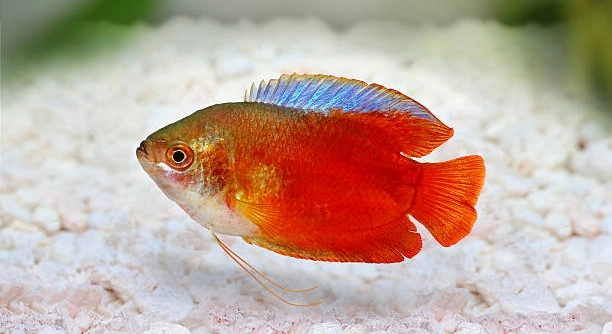
Algae buildup is a common concern for gourami keepers, often affecting water clarity and plant health. With simple habits and steady care, maintaining a balanced tank becomes easier and more enjoyable over time overall consistently.
The reduction of algae in a gourami tank is primarily achieved through controlled lighting, routine water changes, proper feeding limits, and effective filtration. These measures reduce excess nutrients, stabilize water parameters, and create conditions that limit algae growth long-term stability.
Clear steps and practical guidance can transform daily maintenance habits, helping your gourami tank stay clean, calm, and visually pleasing.
Control Lighting Duration
I learned early that light management matters more than most people expect in a gourami tank. Algae thrives when lighting stays on too long or remains inconsistent each day. Setting a fixed schedule of eight hours helps limit excess growth while keeping plants healthy. Using a timer removes guesswork and keeps conditions stable. Bulbs should also be appropriate for freshwater tanks, as overly strong lighting encourages unwanted buildup. Natural sunlight hitting the aquarium glass can worsen the issue, so placement in the room matters. By adjusting light intensity and duration, the tank begins to balance itself. Gouramis appear calmer, plants grow steadily, and algae slowly loses its advantage. This single adjustment reduces maintenance stress and supports a cleaner, more predictable environment that feels easier to manage over time. It also supports consistent feeding patterns and reduces sudden visual changes that often stress sensitive fish species within small home aquariums settings.
Shorter lighting periods do not harm gouramis or plants when balanced correctly. Instead, this approach limits nutrient use by algae. With patience, visual improvements appear gradually, and cleaning becomes less frequent, making routine care feel manageable and calm. This balance supports long-term stability without constant adjustments or daily worry overall.
Once lighting is under control, results become easier to maintain with consistent habits. Algae growth slows rather than disappearing overnight, which is expected. Regular observation helps catch changes early before buildup spreads. I find that keeping notes on lighting hours and plant response builds confidence over time. This method supports a stable routine that does not feel demanding. A predictable light cycle also benefits feeding schedules and fish behavior. Over time, the tank feels calmer, clearer, and easier to enjoy without constant intervention or frustration. These changes create a sense of control that makes aquarium care more rewarding overall daily.
Maintain Water Quality
Clean water limits algae by reducing excess nutrients in the tank. Regular water changes remove waste from uneaten food and fish activity. Gentle gravel vacuuming helps prevent buildup without disturbing gouramis. This steady approach keeps conditions balanced and supports healthy plant growth over time while maintaining clarity and reducing frequency.
Consistent water care forms the foundation of algae control in any gourami tank. I stick to weekly partial water changes rather than waiting for visible problems. This habit prevents nutrient buildup that algae depends on. Testing water parameters helps ensure stability, especially nitrate and phosphate levels. Overfeeding often contributes to water issues, so measured portions matter more than variety. Leftover food breaks down quickly and feeds unwanted growth. A properly sized filter supports circulation and traps debris before it settles. Rinsing filter media in tank water preserves beneficial bacteria while keeping flow steady. Live plants also play a role by absorbing nutrients naturally. Together, these actions create a balanced system that supports fish health and reduces visual clutter. Over time, maintenance feels routine instead of reactive. The tank becomes clearer, odors fade, and algae growth remains limited. This approach requires consistency rather than effort, which makes long-term care feel realistic and sustainable for everyday life. Stable water quality reduces stress for gouramis, improves coloration, and encourages natural behavior. When the environment stays predictable, small problems stay manageable and rarely escalate into time-consuming corrections that disrupt the overall balance of the aquarium and support long-term enjoyment with less daily effort overall.
Limit Feeding Habits
Overfeeding adds excess nutrients that algae quickly uses to spread. I keep portions small and consistent, offering only what gouramis finish within two minutes. This simple adjustment reduces waste, improves water clarity, and keeps maintenance predictable without stressing fish or plants over time in the aquarium daily routine for balance.
Feeding discipline plays a larger role than many realize. Gouramis do not require constant feeding to remain healthy. Once or twice daily is enough when portions are controlled. Excess flakes sink, break down, and release nutrients algae favors. I avoid dropping food near strong currents to prevent it scattering. Observing feeding behavior helps adjust amounts accurately. When food disappears quickly, I resist adding more. This approach stabilizes water chemistry and reduces filter strain. Over time, algae growth slows, and fish display calmer behavior, brighter coloration, and improved digestion overall, which supports a cleaner tank with fewer maintenance demands long term.
Uneaten food often hides in gravel and decor, feeding algae silently. I siphon debris during weekly water changes to prevent buildup. Frozen foods should be thawed and rinsed before use. This step limits excess nutrients entering the tank. Rotating food types keeps gouramis healthy without overfeeding any single source. Consistency matters more than variety. When feeding stays controlled, water tests show steadier readings. This stability reduces stress on fish and plants alike. Algae struggles to compete in a tank where nutrients remain limited and predictable over time, creating a balanced environment that requires less correction overall during regular care routines.
Use Live Plants Strategically
Live plants absorb nutrients that algae depends on for growth. I choose hardy species that suit gourami tanks, such as anubias and java fern. These plants require minimal care while steadily improving water balance. As plants establish roots, algae loses available resources, and tank appearance improves naturally without constant cleaning. This approach supports fish comfort and reduces maintenance demands over time significantly while enhancing overall stability and visual appeal daily within the aquarium space consistently.
Plant placement matters when managing algae effectively. Fast growing stems should be positioned near stronger light sources to absorb nutrients quickly. Slower growers thrive in shaded areas and still contribute to balance. I trim dead leaves promptly to prevent decay. Floating plants can help reduce light penetration, further limiting algae spread. However, coverage should remain partial to allow oxygen exchange. Healthy plant growth competes directly with algae for resources. Over time, this natural competition stabilizes the tank. Water stays clearer, and surfaces require less scrubbing. This method feels sustainable and supports a calm, natural looking environment for gouramis. It also reduces chemical reliance and encourages steady routines that feel manageable long term without disrupting daily observation or feeding habits within a home aquarium setup overall.
Clean Tank Surfaces Consistently
I remove algae from glass and decor before it spreads. A soft sponge and algae pad work without scratching surfaces. Regular wiping prevents buildup from hardening. This habit keeps the tank clear and reduces the effort needed during deeper weekly maintenance sessions overall for healthier fish and calmer routines daily.
I avoid harsh tools that disturb fish or damage plants. Gentle, frequent cleaning works better than aggressive scrubbing. When algae is removed early, it does not release nutrients back into the water. This keeps conditions stable and prevents repeat growth across tank surfaces over long periods, reducing constant maintenance demands.
Adjust Filtration Effectively
Proper filtration supports algae control by removing waste and circulating nutrients evenly. I make sure the filter matches tank size and gourami needs. Flow should be gentle, as strong currents cause stress. Cleaning filter media regularly prevents clogging while preserving beneficial bacteria. I rinse sponges in tank water, never tap water. This keeps biological filtration active. When flow remains steady, debris stays suspended and gets captured instead of settling. Stable filtration reduces nutrient pockets where algae often forms. Over time, the tank stays clearer with less surface buildup and fewer sudden changes that disrupt balance and increase maintenance frequency overall.
Avoid Direct Sunlight Exposure
Avoiding direct sunlight limits algae growth significantly. I keep the tank away from windows and bright reflections. Sunlight adds uncontrolled lighting hours and heat. By choosing a shaded location, light levels stay predictable, temperatures remain stable, and algae struggles to gain a foothold over time, supporting calmer fish behavior overall.
FAQ
Why does algae keep returning even after cleaning the tank?
Algae often returns because cleaning alone does not remove the conditions that support its growth. Excess nutrients from feeding, inconsistent lighting, and poor circulation allow algae to regrow quickly. Scrubbing surfaces helps visually, but without addressing water quality and light duration, algae has the advantage. I noticed improvement only after pairing cleaning with routine water changes and controlled lighting. Consistency matters more than intensity. When conditions stay stable, algae struggles to reestablish itself, and cleaning becomes less frequent over time.
Can gouramis help reduce algae on their own?
Gouramis may pick at soft algae occasionally, but they do not control algae growth. Relying on them for cleanup leads to disappointment and unnecessary stress on the fish. Algae control depends on tank management, not fish behavior. I treat gouramis as indicators of tank health rather than tools. When they appear calm and active, conditions are usually balanced. Proper care benefits both the fish and overall tank appearance without expecting unrealistic results from natural grazing.
How often should water changes be done to manage algae?
Weekly partial water changes are effective for most gourami tanks. Changing twenty to thirty percent removes excess nutrients without disrupting stability. Skipping water changes allows waste to accumulate, which algae uses to spread. I avoid large, infrequent changes because they stress fish. Smaller, regular changes keep parameters steady and predictable. Over time, this routine reduces algae pressure and keeps water clearer with less effort.
Does algae mean my tank is unhealthy?
Algae does not always indicate poor health, but excessive growth suggests imbalance. Small amounts are normal in established tanks. Rapid spreading or thick buildup usually points to excess light or nutrients. I view algae as feedback rather than failure. It highlights where adjustments are needed. When addressed early, algae becomes manageable and does not threaten fish health. Balance is the goal, not perfection.
Are chemical algae treatments safe for gouramis?
Chemical treatments can work short term, but they often create new problems. Some stress gouramis or disrupt beneficial bacteria. I avoid them unless absolutely necessary. Treating the cause rather than the symptom produces better results. Adjusting feeding, lighting, and filtration creates lasting improvement. Chemicals may clear algae quickly, but without changes, it often returns stronger.
Do live plants completely prevent algae growth?
Live plants help reduce algae but do not eliminate it entirely. They compete for nutrients and improve balance. I noticed fewer outbreaks once plants established themselves. However, plants require proper lighting and care. Dead leaves and poor growth can worsen conditions. Healthy plants support algae control, but they work best alongside other management habits.
How long does it take to see results after making changes?
Results are gradual rather than immediate. Visible improvement usually appears within two to three weeks. Algae growth slows first, then existing patches fade. I remind myself that stability takes time. Sudden changes rarely help. Patience allows the tank to adjust naturally, leading to lasting clarity rather than temporary fixes.
Can algae harm gouramis directly?
Most algae types do not harm gouramis directly. Problems arise when algae covers surfaces heavily, reducing oxygen or trapping waste. Thick growth can stress fish by altering water quality. Keeping algae under control maintains a comfortable environment. When water stays clean and oxygenated, gouramis remain active and healthy.
Is green water algae handled differently than surface algae?
Green water requires different management. It usually results from excess light and nutrients suspended in the water column. Surface cleaning does not help. Reducing light duration, limiting feeding, and increasing water changes works better. In some cases, a temporary blackout helps. I focus on prevention rather than reaction, which reduces recurrence.
Should algae be removed completely from the tank?
Complete removal is unnecessary and unrealistic. Small amounts are natural and even beneficial. The goal is control, not elimination. I aim for balance where algae does not dominate. When routines stay consistent, algae becomes a minor background presence rather than a constant problem, making the tank easier to maintain and enjoy.
Final Thoughts
Managing algae in a gourami tank comes down to steady habits rather than quick fixes. Small adjustments made consistently have a greater impact than occasional deep cleaning or sudden changes. Lighting control, measured feeding, and regular water changes work together to create balance. When these elements stay predictable, algae has fewer opportunities to spread. I have learned that reacting only when algae becomes visible often leads to frustration. Preventive care feels quieter but produces better results. A stable routine supports not only clearer glass and cleaner decor but also calmer fish behavior. Gouramis respond well to consistency, and their health often reflects the condition of the tank. When the environment stays balanced, maintenance feels less like a chore and more like a simple part of daily care.
Patience plays an important role throughout this process. Algae does not disappear overnight, and expecting immediate results often leads to unnecessary adjustments. Allowing time for changes to take effect helps the tank stabilize naturally. Live plants need time to grow, filters need time to process waste efficiently, and water chemistry needs time to settle. Rushing these processes can create new problems that undo progress. I find it helpful to observe patterns rather than isolated issues. Tracking lighting hours, feeding amounts, and water clarity provides useful insight over time. This approach reduces guesswork and builds confidence. When adjustments are made thoughtfully, the tank improves gradually but steadily. That slow improvement often lasts longer than quick solutions that only address surface issues.
A clean and balanced gourami tank does not require perfection. Some algae is normal and does not signal failure. The goal is control, not elimination. Accepting this makes tank care more realistic and less stressful. Focus stays on fish health, stable water conditions, and a visually calm environment. When algae remains limited, the tank feels easier to manage and more enjoyable to observe. Over time, routines become second nature, and maintenance takes less effort. This balance supports long-term success and prevents burnout. With steady care, the tank becomes a space that feels calm and reliable. That sense of stability benefits both the aquarist and the fish, creating an environment that stays healthy without constant correction.

Hello,
If you enjoy the content that we create, please consider saying a "Thank You!" by leaving a tip.
Every little bit helps us continue crafting quality advice that supports the health, happiness, and well-being of pets around the world, for pets of all shapes, sizes, and species.
We really appreciate the kindness and support that you show us!