
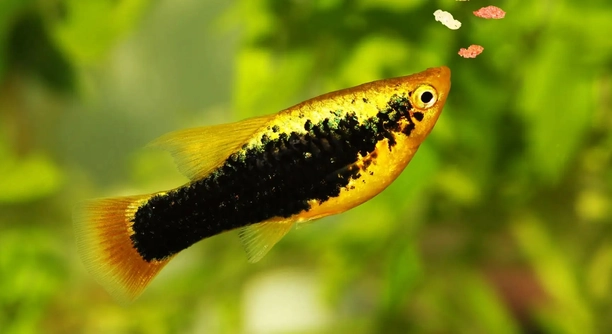
Are your new platies looking healthy but you’re not sure how to safely introduce them to your main aquarium setup?
Quarantining new platies correctly involves isolating them in a separate tank for observation, ensuring they are healthy and free of parasites or disease. This process reduces the risk of spreading illness to your existing fish community.
Proper quarantine techniques can protect your entire tank and keep your new platies healthy and stress-free from the start.
Step 1: Set Up a Separate Quarantine Tank
A quarantine tank is essential before introducing new platies to your main aquarium. This separate tank should be fully cycled, heated to around 78°F, and have a sponge filter to provide gentle filtration. Avoid adding gravel or decorations to keep cleaning easy and allow better observation. The tank should be at least 10 gallons to give your new fish enough space. Use a lid to prevent any jumping and test water parameters regularly to maintain a stable environment. Keep equipment like nets and siphons separate to avoid cross-contamination between tanks.
This tank serves as a safe, controlled space where new fish can be monitored for signs of illness or stress before being introduced to your established fish.
Giving new platies time to adjust in a quarantine tank lowers the risk of disease spreading and helps them adapt to a new environment without stress from other fish.
Step 2: Observe Daily for Illness
Daily observation is important. Look for signs like fin damage, white spots, labored breathing, or refusal to eat.
Spend a few minutes each day watching your platies in the quarantine tank. Healthy fish should be active, alert, and eating regularly. If you notice any abnormal behavior—like clamped fins, rubbing against surfaces, or hovering near the surface—take note and monitor closely. These could be signs of stress or illness. White patches, spots, or fuzzy growths can indicate bacterial or fungal infections. Also, check for stringy or discolored waste. Sudden changes in appearance or behavior may signal the need for treatment. Maintain water quality by checking ammonia, nitrite, and nitrate levels. Clean the tank weekly and replace 25% of the water to keep conditions stable. If symptoms persist or worsen, consider isolating the affected fish or consulting an aquatic veterinarian.
Step 3: Limit Stress During Quarantine
Stress can weaken your platies’ immune systems, making them more likely to get sick. Keep the tank in a quiet place, avoid sudden movements, and limit lighting to reduce stress levels. Handle them gently and only when absolutely necessary.
Feed your platies small amounts of high-quality food once or twice a day. Overfeeding can pollute the water quickly in a small tank. Offer a mix of flake food and occasional protein-rich treats like bloodworms or brine shrimp. Consistent feeding keeps your fish active and helps you monitor appetite. A sudden lack of interest in food can be an early sign of illness. Stick to a simple routine so the fish can feel secure. If they hide often or breathe heavily, check water parameters and reduce disturbances around the tank. A calm, clean space helps your platies adjust faster and recover from transport stress.
Try to avoid unnecessary tank changes or additions during the quarantine period. Stability is more important than fancy decor or constant tinkering. Your fish are adapting to new surroundings, and too many changes can cause stress. Let them settle, eat well, and build strength. Watch their behavior, but don’t hover too much. Giving them space while staying observant is key.
Step 4: Treat for Common Parasites if Needed
Even if your new platies look healthy, internal or external parasites can still be present. It’s common to pre-treat with gentle medications like aquarium salt or praziquantel during quarantine. Always follow dosage instructions carefully.
Start treatment only after giving your fish a few days to settle in. Watch for visible signs like flashing, thin bodies, or white specks. If symptoms appear, you can use targeted treatments like Ich-X for ich or General Cure for parasites. Avoid using multiple medications at once unless instructed by a vet. Keep water changes consistent during treatment—25% every few days—to prevent buildup of medication or waste. Maintain strong aeration if you’re using treatments that reduce oxygen levels. After finishing the medication course, continue monitoring for at least a week before moving the fish to the main tank. Treating during quarantine helps avoid spreading illness later on and gives your platies a healthier start.
Step 5: Maintain Excellent Water Quality
Change 25% of the water every few days to keep conditions stable. Use a water conditioner and make sure the new water matches the tank temperature. Stable, clean water helps reduce stress and supports recovery.
Test the water for ammonia, nitrites, and nitrates at least twice a week. Poor water quality often leads to illness, especially in a small quarantine tank.
Step 6: Monitor Behavior Closely
Behavior tells you a lot about your fish’s health. Watch for chasing, hiding, or sudden bursts of movement. Healthy platies swim smoothly, explore their space, and show interest in food. Any unusual behavior may be an early sign something’s wrong, even before physical symptoms appear. Keep a notebook or log if needed.
Step 7: Quarantine for 2–4 Weeks
A full quarantine should last two to four weeks. This time allows you to confirm that the fish are healthy and stable before introducing them to your main tank.
FAQ
How long should I quarantine new platies before adding them to my main tank?
New platies should be quarantined for at least 2 weeks, though 4 weeks is even better. This time allows you to observe them for signs of illness, treat for potential parasites, and make sure they are eating well and adjusting to their new environment. If no symptoms show during this period and they are active and healthy, it’s safe to add them to your main tank. Quarantining too briefly may result in missing early signs of illness, which could put your established fish at risk.
Can I use a bare-bottom tank for quarantine?
Yes, a bare-bottom tank is ideal for quarantine. It makes cleaning much easier and allows you to spot uneaten food, waste, and signs of illness more easily. Since you’ll be watching your fish closely, having a clear view of their behavior and waste can help you react quickly if anything looks off. A bare-bottom setup also prevents debris from hiding in gravel, keeping water quality more stable. Add a sponge filter and a few hiding spots like PVC elbows or plastic plants for comfort without affecting visibility.
Should I medicate fish even if they don’t look sick?
It depends on your comfort level and your source. Some fishkeepers choose to proactively treat for parasites and bacterial infections, especially if the fish came from large pet stores. Others prefer to wait unless symptoms appear. If you go the treatment route, use mild, broad-spectrum medications and allow a few days for your fish to settle in before starting. Always follow the directions carefully. Preemptive treatment can stop outbreaks before they start, but unnecessary or overuse of medications may stress fish or affect beneficial bacteria in the tank.
Is it okay to quarantine platies with other new fish?
Only quarantine fish together if they’re from the same source and arrived at the same time. Mixing fish from different suppliers or batches increases the risk of spreading disease. One group may carry something the others aren’t immune to. If they’re from different tanks or stores, set up separate quarantine systems. This extra step helps you control cross-contamination and gives you better insight into each group’s health. It’s more work, but it protects your main aquarium and gives each group a clean slate.
How do I know if a platy is sick during quarantine?
Signs of illness include clamped fins, flashing, rapid breathing, refusal to eat, and unusual spots or growths. Watch for fin rot, ich, or bloating. Sudden changes in behavior like hiding or hovering at the surface can also indicate a problem. Check their waste—white, stringy droppings may suggest internal parasites. Use a flashlight to get a clearer view of the fish if needed. Take notes if something seems unusual. Acting early often prevents the issue from worsening and gives the fish a better chance at recovery.
Can I use the same equipment for both quarantine and display tanks?
Avoid sharing equipment like nets, siphons, or feeding tools between tanks. This prevents the spread of disease. If you must reuse items, disinfect them with a diluted bleach solution (1 part bleach to 10 parts water), rinse well, and allow them to air dry completely. Many fishkeepers keep a small set of supplies specifically for quarantine tanks. Labeling those tools can help avoid confusion and prevent accidental contamination.
What should I feed platies during quarantine?
Feed a mix of high-quality flake food and frozen or live treats like daphnia or bloodworms. Offer small portions once or twice daily. Watch how much they eat—uneaten food should be removed to prevent ammonia spikes. Variety keeps their immune systems strong and encourages better feeding response, which is important when monitoring health. Avoid overfeeding, especially in smaller quarantine tanks where water quality can shift quickly. If your platies aren’t eating, try garlic-infused food or fasting for a day before offering food again.
Can I quarantine platies in a bucket or storage bin?
Yes, temporary quarantine setups can work as long as they’re safe for fish. A clean, food-grade plastic storage bin with a heater, filter, and lid can serve as a short-term solution. Just make sure the container is large enough (at least 10 gallons), and avoid sharp edges or chemicals. Use a thermometer to monitor temperature and keep up with water testing and changes. This setup is often used when space or equipment is limited, but it still requires close attention and maintenance like a regular tank.
Final Thoughts
Quarantining new platies is one of the most important steps you can take to protect your aquarium. Even healthy-looking fish can carry invisible parasites or bacteria. By giving them time in a separate tank, you reduce the chance of spreading illness to your established fish. It also gives your platies a chance to adjust to new water conditions without added stress from other tank mates. While it may feel like an extra task, quarantine is a simple way to prevent long-term problems that are often much harder to fix once they begin.
Keeping the quarantine tank clean, quiet, and stable is key. Consistent water changes, limited handling, and careful observation make a big difference. Watching your fish closely helps you spot any changes early—like loss of appetite or signs of disease—before they become serious. Treating problems in a small quarantine tank is often quicker, more effective, and less risky than treating the entire main aquarium. The time you spend during this period helps your fish start strong and stay healthy for the long term.
Taking these steps doesn’t just benefit your platies—it protects your entire aquarium. Introducing new fish without quarantine can lead to outbreaks that affect every fish in your tank. A short quarantine period might seem inconvenient, but it can save you time, money, and stress in the future. Once your platies have completed their quarantine, you can move them into your main tank with confidence, knowing they’re healthy and ready to thrive. Quarantine is not just a precaution—it’s a good habit that keeps your aquarium safe and your fish happy.

Hello,
If you enjoy the content that we create, please consider saying a "Thank You!" by leaving a tip.
Every little bit helps us continue crafting quality advice that supports the health, happiness, and well-being of pets around the world, for pets of all shapes, sizes, and species.
We really appreciate the kindness and support that you show us!