
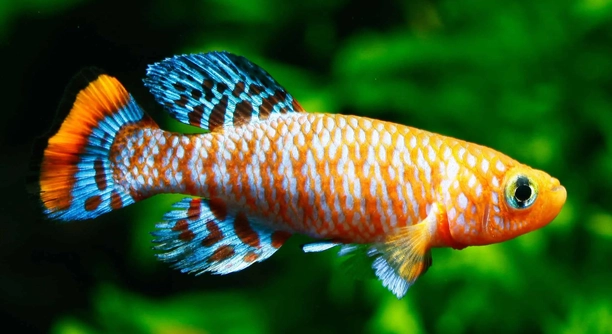
Are your new killifish ready to join your aquarium but you want to keep them safe first? Quarantining these delicate fish helps prevent disease and stress before introducing them to your main tank. Proper care at this stage is important for their health.
Quarantining new killifish involves isolating them in a separate tank, monitoring water quality, and observing for any signs of illness. This practice reduces the risk of spreading parasites or bacteria and allows for treatment if needed before mixing with established fish.
Following the right steps ensures your killifish stay healthy and thrive in their new environment without risking the wellbeing of your entire aquarium.
Preparing the Quarantine Tank
Setting up the quarantine tank properly is essential before introducing your killifish. Choose a tank separate from your main aquarium, ideally 10 gallons or more, to give them enough space. Use a sponge filter to avoid strong currents that might stress these delicate fish. Fill the tank with dechlorinated water and maintain the same temperature as your main tank. Adding some live plants or hiding spots will help your killifish feel secure during this period. Before adding the fish, run the tank for at least 24 hours to ensure water conditions are stable. Keep the lighting moderate to reduce stress.
Ensure the tank is clean and stable to give your killifish the best start during quarantine. This helps reduce the chance of illness and promotes faster adjustment to their new environment.
A well-prepared quarantine tank helps your killifish stay calm and healthy. It also allows you to closely monitor them for any signs of sickness without risking your other fish. Maintaining stable water parameters like temperature, pH, and ammonia levels during this period is vital. Frequent water changes, about 20-30% every few days, keep the environment clean. This effort pays off by lowering stress and increasing the chances of a successful introduction later.
Monitoring and Observation
Observe your killifish carefully during quarantine. Watch for unusual behavior, changes in appetite, or visible signs of disease such as spots or discoloration.
Daily checks help catch problems early and improve treatment success. Look for lethargy, fin damage, or rapid breathing.
It is important to keep a close eye on your killifish’s health while they are in quarantine. Stress or illness often shows through behavior changes first, like hiding more or not eating well. If you notice any symptoms, isolate the affected fish further and consult a veterinarian or fish health expert for advice. Early intervention prevents the spread of disease to other fish. Keep a journal or notes on observations and any treatments you use. This record can help track progress and guide adjustments to care. Being proactive during this time makes a significant difference in keeping your killifish healthy before joining the main tank.
Feeding During Quarantine
Feed your killifish small amounts two to three times daily. Use high-quality foods suitable for their diet, such as live or frozen brine shrimp, daphnia, or bloodworms. Avoid overfeeding, which can pollute the water and stress the fish.
Proper feeding supports their immune system during quarantine. Provide a varied diet to keep them healthy and encourage appetite. Remove any uneaten food promptly to maintain water quality. Keep portions small to avoid water contamination and digestive issues. Consistent feeding helps reduce stress and supports recovery if any illness is present.
If your killifish refuse food initially, try offering different types or slightly warming frozen foods. Maintaining a feeding schedule aids in monitoring their health and energy levels. Observing their eating habits also helps detect early signs of illness. Healthy fish typically show interest in food and active behavior. Consistency during quarantine ensures your killifish remain strong before introduction to the main tank.
Treating Illnesses
If any signs of illness appear, begin treatment immediately with appropriate medications. Use antifungal, antibacterial, or antiparasitic treatments based on symptoms. Follow dosage instructions carefully to avoid harming the fish.
Treating diseases early increases the chances of recovery. Quarantine allows safe medication without affecting other aquarium inhabitants. Always remove activated carbon from filters during medication to prevent absorption of treatment chemicals.
Monitor your killifish closely during treatment. Continue water changes to maintain cleanliness but avoid disturbing the fish too much. Treatment duration depends on the illness, so patience is necessary. Keeping the quarantine tank stable and clean supports healing. If symptoms worsen or do not improve, seek professional advice to adjust care.
Water Changes and Maintenance
Regular water changes keep the quarantine tank clean and healthy. Change about 20-30% of the water every few days to reduce waste buildup. Use dechlorinated water at the same temperature to avoid stressing your killifish.
Cleaning the tank and filter sponge gently during water changes helps maintain good water quality. Avoid harsh chemicals or soaps that can harm the fish.
Acclimating Killifish to the Main Tank
Before moving killifish to the main tank, gradually adjust them to the new water conditions. Float the quarantine bag in the main tank for 15-20 minutes. Slowly add small amounts of main tank water to the bag over an hour to help them acclimate.
Introducing Killifish to the Main Aquarium
Release your killifish gently into the main tank using a net to avoid adding quarantine water. Observe them closely for the first few days for any signs of stress or illness.
FAQ
How long should I quarantine new killifish?
Quarantine time for killifish typically ranges from two to four weeks. This period allows enough time to observe any signs of illness or parasites before introducing them to your main tank. Keeping them separate helps protect your established fish and reduces stress on the newcomers.
Can I quarantine multiple killifish together?
Yes, you can quarantine several killifish together if the tank is large enough and water conditions are well maintained. However, avoid overcrowding, as this can increase stress and the chance of disease spreading. Monitor their behavior for aggression or signs of stress during quarantine.
What signs of illness should I watch for during quarantine?
Look for lethargy, loss of appetite, clamped fins, white spots, discoloration, or rapid breathing. Any of these symptoms might indicate parasites, bacterial infections, or poor water quality. Early detection is key to successful treatment and recovery.
Is it necessary to use medication during quarantine?
Medication is not always needed but may be necessary if signs of illness appear. Using preventive treatments like mild antiparasitic baths can be helpful, but always research the proper medication and dosage for killifish. Avoid overusing medicines to prevent stress or harm.
How often should I test water during quarantine?
Test water parameters like ammonia, nitrite, nitrate, and pH at least twice a week. Keeping water quality stable is essential for the health of quarantined killifish. High ammonia or nitrite levels can cause stress and weaken their immune system, making them more vulnerable to disease.
What food is best for killifish in quarantine?
Feed high-quality live or frozen foods like brine shrimp, daphnia, or bloodworms. These foods provide good nutrition and encourage feeding behavior. Avoid dry flakes during quarantine as they may not be as appealing or nutritious, which can affect appetite and health.
Can stress affect quarantine success?
Yes, stress lowers a killifish’s immune system and makes it more likely to get sick. Minimizing handling, keeping a stable environment, and providing hiding spots helps reduce stress. Avoid sudden changes in temperature or water chemistry during quarantine.
Should I quarantine killifish from a store or breeders?
Quarantining fish from any new source is important, regardless of origin. Even healthy-looking fish can carry diseases or parasites. Quarantine protects your existing tank and ensures new fish adjust well before introduction.
How do I know when quarantine is complete?
Quarantine is complete when your killifish show no signs of illness for at least two weeks, are eating well, and water parameters remain stable. After this period, you can safely introduce them to your main tank, following proper acclimation steps.
What if a fish shows illness after quarantine?
If illness appears after quarantine, isolate the fish immediately in a hospital tank. Begin treatment based on symptoms and maintain excellent water quality. Early intervention increases the chance of recovery and protects other fish from infection.
Quarantining new killifish is a crucial step in keeping your aquarium healthy. Taking the time to isolate and observe new fish helps prevent diseases from spreading to your established tank. This careful approach protects not only your killifish but also the other fish living in your aquarium. By setting up a proper quarantine tank, monitoring water quality, and watching for any signs of illness, you give your new fish the best chance to adjust and thrive.
During quarantine, paying close attention to your killifish’s behavior and health is important. Feeding them a balanced diet and maintaining clean, stable water conditions support their immune system. If any signs of disease appear, early treatment can make a big difference in recovery. The quarantine period also allows your fish to settle into their new environment with less stress, which improves their overall wellbeing. Skipping this step may lead to problems later, such as outbreaks of parasites or infections that can be costly and difficult to manage.
Introducing killifish into your main tank after a proper quarantine process helps ensure a smooth transition. Gradual acclimation and gentle introduction reduce stress for your fish and lower the risk of shock. Keeping a close eye on them after moving is important, so you can quickly respond to any health concerns. Overall, quarantine is an investment in the long-term health of your aquarium. It may require extra time and effort, but the benefits make it worthwhile for a thriving, balanced aquatic environment.

Hello,
If you enjoy the content that we create, please consider saying a "Thank You!" by leaving a tip.
Every little bit helps us continue crafting quality advice that supports the health, happiness, and well-being of pets around the world, for pets of all shapes, sizes, and species.
We really appreciate the kindness and support that you show us!