
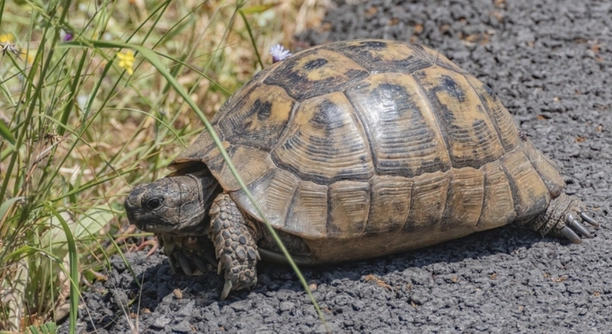
Cleaning a Russian tortoise’s enclosure is an important task that ensures your pet’s health and comfort. Regular maintenance also prevents bacteria buildup and creates a clean, safe space for your tortoise to thrive.
To properly clean a Russian tortoise’s enclosure, remove all bedding and waste. Wash the surfaces with a non-toxic cleaner, rinse thoroughly, and dry completely. Replace the substrate, ensuring it’s clean and safe. Regular cleaning prevents bacterial growth and maintains a healthy environment.
Keeping the enclosure clean not only benefits your tortoise’s well-being but also makes it easier to monitor its habits and health.
Preparing the Enclosure for Cleaning
Before you start cleaning, make sure to remove your tortoise from its enclosure. Place it in a safe, temporary area while you work. This ensures that your pet stays safe and prevents any accidents during the cleaning process. Once your tortoise is out, gather all the necessary cleaning supplies. You’ll need a small broom or vacuum to remove loose debris, a non-toxic cleaner, and a towel to dry off surfaces. The setup should be simple, as this helps speed up the cleaning process and keep things organized.
Next, remove all bedding and any uneaten food. It’s important to check for any waste left behind in the substrate. Take out the bedding carefully, as it may contain bits of food, waste, or mold that can be harmful to your tortoise. Dispose of this material properly. This step clears the way for a more thorough cleaning of the enclosure. If you find any mold, it’s a sign that the enclosure hasn’t been cleaned recently enough, and you should be extra diligent in the following steps.
Cleaning the Enclosure
Once the bedding is removed, it’s time to clean the surfaces of the enclosure. Wipe down all areas with a non-toxic cleaner, including the walls, floor, and any accessories. You can use a diluted vinegar solution or a pet-safe disinfectant. Rinse everything off thoroughly to avoid any cleaner residue. Pay extra attention to corners and hidden spots where waste may accumulate. These are common places for bacteria to grow, which can affect your tortoise’s health. Cleaning the walls and surfaces also helps remove odors that may develop over time. It’s essential to use cleaners that are safe for reptiles, as harsh chemicals can harm them.
After the surfaces are wiped clean, ensure the entire enclosure is dry before replacing the bedding. Dampness can lead to mold or mildew growth, so don’t skip this step. Using a clean towel to dry off all surfaces is an easy way to ensure everything is moisture-free. Drying also helps prevent any lingering cleaner residues, making the enclosure a safe and healthy space for your tortoise.
Replacing the Bedding
Once the enclosure is fully dry, you can replace the bedding. Choose a substrate that is safe for your tortoise. For Russian tortoises, a mix of organic topsoil, sand, and coconut coir works well, as it mimics their natural environment. Make sure to spread the substrate evenly across the floor of the enclosure, creating a natural burrowing area for your tortoise. The bedding should be deep enough for your pet to dig and burrow as it would in the wild. This gives them an opportunity to engage in natural behaviors, which is important for their overall well-being.
In addition to providing proper bedding, add any necessary accessories back into the enclosure. This includes water dishes, food bowls, and hiding places. Make sure to clean these items before returning them. Keeping everything clean is key to creating a healthy environment. Your tortoise will appreciate a fresh space, and you’ll notice how much easier it is to maintain the enclosure when it’s regularly cleaned. A well-maintained enclosure helps ensure your tortoise stays healthy and happy for years to come.
Cleaning the Water Dish
Remove any old water and food debris from the water dish. Wash it thoroughly using a mild, non-toxic cleaner to ensure it’s safe for your tortoise. Rinse the dish well with clean water to remove any cleaner residue. Let it air dry completely before refilling it with fresh water. A clean water dish helps prevent bacterial growth and provides a healthy drinking source for your tortoise.
After the water dish is cleaned and dried, fill it with fresh, clean water. Be sure to place it in a spot that your tortoise can easily access, but where it won’t get too dirty quickly. Make sure the water level is low enough for your tortoise to drink but not so high that it risks drowning. Check the water every day for any food particles or waste that may accumulate. Replace the water regularly to keep it fresh and free from contaminants.
Keeping the water dish clean and filled with fresh water is crucial for your tortoise’s health. It encourages hydration, which helps with digestion and overall well-being. A clean water source also keeps the enclosure smelling fresh and provides your tortoise with a more comfortable space to live.
Inspecting and Cleaning Decorations
Take out any decorations or hides and inspect them for dirt, mold, or waste. These items often collect debris that could harm your tortoise if left untreated. Clean each item thoroughly using warm water and a pet-safe cleaner, ensuring to rinse off any cleaner residue. Dry everything completely before placing it back into the enclosure.
Decorations not only make the enclosure more interesting for your tortoise, but they also provide vital hiding spaces and enrichment. Ensuring these items stay clean will prevent any buildup of harmful bacteria or mold. It’s also a good idea to check the condition of these items regularly for any wear and tear. If something is broken or could harm your tortoise, replace it. Keeping decorations in good condition ensures your pet has a safe, stimulating environment to live in.
Spot Cleaning
Spot clean the enclosure daily to remove any waste your tortoise leaves behind. It’s essential to remove droppings, uneaten food, or any other debris to keep the space hygienic. This prevents the buildup of bacteria, which can affect your pet’s health.
By doing spot cleaning regularly, you can avoid the need for deep cleanings as often. It’s a simple task that keeps the environment fresh. Use a small scoop or a paper towel to remove waste, then dispose of it properly. Keeping the enclosure clean daily helps maintain a healthy habitat for your tortoise.
Maintaining Temperature and Humidity
The proper temperature and humidity are crucial to your tortoise’s health. Make sure the enclosure has a heat source to maintain a basking spot that reaches 85-90°F and a cooler side around 70°F. Use a thermometer to regularly check these temperatures to ensure accuracy.
Humidity should be kept around 40-60%. Too high or too low can cause health problems, so use a hygrometer to monitor it. You can adjust the humidity by lightly misting the substrate or providing a humid hide. Proper environmental conditions help your tortoise feel comfortable and thrive in its home.
Checking for Pests
Pests like mites, ants, or beetles can be a problem in a tortoise’s enclosure. Regularly inspect the bedding and decorations for signs of pests. If you spot any, remove them immediately and clean the affected area thoroughly.
In some cases, you may need to replace the bedding if it’s been overrun with pests. Using natural deterrents or pest-safe products can help prevent these problems from arising. Ensuring the enclosure stays pest-free is essential for your tortoise’s health and comfort.
FAQ
How often should I clean my tortoise’s enclosure?
It’s recommended to clean your tortoise’s enclosure at least once a week with spot cleaning daily. Weekly deep cleans are essential to remove waste, change the bedding, and wash the surfaces. Daily cleaning prevents bacteria buildup, making the weekly clean easier and quicker. Regular maintenance will ensure a healthier environment for your tortoise, preventing any unnecessary odors and pests.
Can I use regular cleaning products for my tortoise’s enclosure?
No, you should avoid using regular household cleaning products, as many contain harmful chemicals that can be toxic to your tortoise. Opt for a pet-safe cleaner, or use a diluted vinegar solution, which is effective and safe. Always rinse the surfaces thoroughly to remove any residue before placing your tortoise back in. Ensuring the cleaning products you use are safe for reptiles is crucial for your tortoise’s health.
What bedding is best for a Russian tortoise’s enclosure?
For Russian tortoises, a mixture of organic topsoil, sand, and coconut coir works well. This combination mimics their natural habitat, allowing them to burrow and explore as they would in the wild. Avoid using bedding like cedar or pine shavings, as they can cause respiratory issues and irritation. Make sure the bedding is deep enough to give your tortoise space to dig, and replace it regularly to maintain cleanliness.
How do I prevent mold in my tortoise’s enclosure?
Mold can develop in a tortoise’s enclosure due to excess moisture. To prevent this, make sure the substrate is not too wet and that the enclosure has proper ventilation. After cleaning, ensure everything is completely dry before placing new bedding in. You can also use a dehumidifier to maintain proper humidity levels. If mold does appear, remove the contaminated bedding and clean the area thoroughly to prevent it from spreading.
How do I clean my tortoise’s water dish?
Wash your tortoise’s water dish every day to prevent bacteria buildup. Empty it, then wash it with a mild, pet-safe cleaner. You can use a diluted vinegar solution for cleaning. Always rinse it thoroughly to avoid any cleaner residue. Let it air dry before refilling it with fresh water. Regular cleaning keeps the water source safe and helps with your tortoise’s hydration.
Can I use sand in my tortoise’s enclosure?
Yes, sand can be used in a tortoise’s enclosure, but it should be mixed with other substrates, like organic topsoil or coconut coir, to prevent the sand from becoming compacted. Pure sand can be hard for tortoises to dig through and could cause them to eat it by mistake. A good mix helps mimic the natural environment while allowing your tortoise to engage in natural behaviors. Just make sure to replace it regularly to keep the environment clean and fresh.
What temperature should my tortoise’s enclosure be?
Your Russian tortoise’s enclosure should have a basking spot between 85-90°F and a cooler area around 70°F. Use a heat lamp or ceramic heat emitter to maintain these temperatures. The gradient allows your tortoise to regulate its body temperature by moving between warmer and cooler areas. Make sure to regularly check the temperature with a thermometer to ensure it stays within the proper range for your tortoise’s health.
What humidity level does my tortoise need?
Russian tortoises prefer a humidity level between 40-60%. Too much humidity can lead to respiratory issues, while too little can dry out their skin and make it difficult for them to shed properly. Use a hygrometer to monitor the humidity levels in the enclosure, and mist the substrate lightly if the humidity is too low. It’s important to maintain this balance to keep your tortoise healthy and comfortable.
Can I use wood chips as bedding?
Wood chips, particularly those made from cedar or pine, should be avoided as bedding for Russian tortoises. These types of wood contain oils and compounds that can cause respiratory issues and irritate your tortoise’s skin. Opt for safer substrates like organic topsoil, coconut coir, or a sand-soil mix. These materials are safe and mimic your tortoise’s natural environment.
What should I do if my tortoise is acting lethargic or sick?
If your tortoise is acting lethargic or showing signs of illness, like not eating, wheezing, or having abnormal stool, it’s essential to consult a veterinarian experienced with reptiles. Illnesses can be caused by improper temperature, humidity, or diet, so it’s important to maintain proper care and immediately address any health concerns. A vet can help diagnose any underlying issues and guide you on how to get your tortoise back to health.
Final Thoughts
Properly cleaning and maintaining a Russian tortoise’s enclosure is essential for its overall health and well-being. Regular spot cleaning, temperature control, and humidity management create a comfortable and safe environment for your tortoise. These steps help prevent health issues and ensure your tortoise has everything it needs to thrive in captivity. By keeping the enclosure clean and maintaining proper conditions, you reduce the risk of respiratory problems, skin infections, or digestive issues, which can arise from a neglected habitat.
In addition to the basic cleaning, it’s also important to monitor your tortoise’s behavior. If you notice any signs of stress, illness, or discomfort, it could indicate a problem with its environment. For example, a tortoise that isn’t eating or is excessively lethargic might be experiencing improper temperatures or humidity. Regularly checking the enclosure for pests or mold can also help prevent health risks. A healthy tortoise depends on a consistent, clean, and well-maintained habitat, so it’s crucial to stay on top of its care.
Maintaining a tortoise’s enclosure doesn’t have to be overwhelming. By setting aside time for regular spot cleaning and checking conditions weekly, you can keep the enclosure in good shape without feeling rushed. The effort put into creating a healthy, clean environment pays off in the long run, as it will help your tortoise live a long, happy life. With proper care, your Russian tortoise will not only enjoy its home but also stay healthier and more active.

Hello,
If you enjoy the content that we create, please consider saying a "Thank You!" by leaving a tip.
Every little bit helps us continue crafting quality advice that supports the health, happiness, and well-being of pets around the world, for pets of all shapes, sizes, and species.
We really appreciate the kindness and support that you show us!