
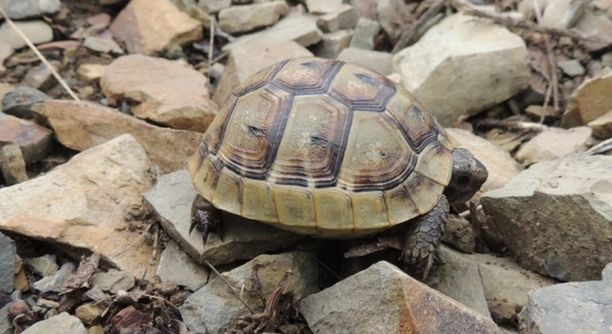
Mold growth in a Greek tortoise habitat can be a serious issue, affecting your pet’s health and the environment. Keeping their living space clean and dry is essential to prevent mold from taking hold.
To prevent mold growth, maintain a dry habitat by regularly cleaning the enclosure, providing adequate ventilation, and avoiding excess moisture. Use a substrate that promotes dryness and ensure the habitat is in a well-ventilated area, reducing humidity levels.
By following these steps, you can ensure your tortoise enjoys a safe and healthy living space. Maintaining a mold-free habitat is key to their long-term well-being.
Choosing the Right Substrate for Your Greek Tortoise Habitat
The substrate plays a vital role in preventing mold growth. Materials like cypress mulch or aspen shavings are preferable as they allow proper airflow and absorb moisture without creating excess dampness. Avoid using materials like sand or peat moss that retain moisture, as they can trap humidity in the habitat, promoting mold development.
The substrate should also be replaced regularly to maintain cleanliness and dryness. Any uneaten food or waste should be removed daily to avoid moisture buildup. The right substrate can make a huge difference in preventing mold growth and providing a comfortable environment for your tortoise.
Keep in mind that not all substrates are suitable for all environments. If you live in a particularly humid area, consider adding additional layers of absorbent material or using a dehumidifier. Creating an optimal balance between moisture retention and ventilation is essential to mold prevention.
Proper Ventilation and Airflow
Good airflow in the habitat is crucial to mold prevention. Without proper ventilation, moisture builds up, creating the perfect conditions for mold to grow. Regularly check that the enclosure has vents or a mesh lid to allow air to circulate.
Improving airflow can be as simple as adjusting the enclosure’s positioning. Ensure it’s not placed in a damp corner or near sources of humidity like bathrooms or kitchens. You can also use small fans or create air holes if needed. This will keep the environment dry and prevent mold from thriving.
Temperature Control
Maintaining the correct temperature is essential to mold prevention. Temperatures that are too high or too low can create conditions that encourage mold growth. Keeping the habitat within a stable range of 75-85°F (24-29°C) helps maintain a balanced environment.
If the temperature is too low, humidity levels can rise, especially if the area lacks ventilation. Use a reliable thermometer and adjust the heat sources to ensure the temperature remains consistent throughout the habitat. A heat lamp or ceramic heat emitter can provide the necessary warmth without over-drying the air.
On the other hand, excessive heat can lead to dry conditions that are also problematic. It’s important to monitor both heat and humidity levels regularly. Using a hygrometer can help you track humidity and adjust accordingly. A balanced temperature helps prevent moisture buildup and ensures your tortoise remains comfortable.
Humidity Control
Humidity control is another critical factor in mold prevention. Too much moisture in the air creates a breeding ground for mold. Keep the humidity levels between 40-60% for a healthy environment.
If the air is too dry, consider adding a small humidifier to the room or misting the habitat occasionally. However, do this carefully to avoid over-humidifying the space. Excess moisture from misting can quickly lead to mold growth if not managed properly. You can also use dry, absorbent bedding that doesn’t hold moisture too long.
Check the humidity levels frequently to avoid unexpected spikes. If the enclosure is in a naturally humid area, consider using a dehumidifier to reduce moisture. Ensuring the humidity is regulated helps maintain a mold-free habitat for your tortoise.
Regular Cleaning
Regular cleaning is crucial in preventing mold growth. Remove uneaten food, waste, and any wet bedding daily to prevent moisture buildup. Clean the habitat thoroughly at least once a week.
In addition to regular cleanings, disinfect the enclosure every month to eliminate any potential mold spores. This will ensure that the habitat remains hygienic and free from harmful bacteria. Clean all surfaces with a non-toxic cleaner that’s safe for reptiles.
By staying on top of cleaning, you can keep the environment fresh and reduce the chances of mold forming. Clean habitats make a big difference in your tortoise’s health and comfort.
Feeding Habits
Proper feeding habits can also contribute to a mold-free habitat. Avoid leaving food in the enclosure for long periods, as decaying food can introduce moisture and promote mold growth.
Feed your tortoise only what it can consume in a short amount of time. This reduces the risk of food attracting moisture or pests. Also, ensure any leftovers are quickly removed to avoid excess moisture. Keeping the habitat dry and free of food scraps prevents unnecessary mold buildup.
The right feeding routine will not only support your tortoise’s health but also maintain the cleanliness of its habitat. Proper management of food waste is key to mold prevention.
FAQ
How can I tell if mold is growing in my tortoise’s habitat?
Mold often appears as fuzzy, green, black, or white spots on surfaces like the substrate, walls of the enclosure, or food. If you notice a musty smell or see these spots, it’s likely mold growth. Inspect the habitat carefully, especially in damp areas. If mold is found, clean the affected area immediately and adjust the environmental conditions to prevent future growth.
Is it safe for my Greek tortoise to be in a moldy environment?
No, it is not safe for your tortoise to be in a moldy environment. Mold can cause respiratory issues, skin infections, and other health problems in reptiles. It’s essential to maintain a clean and dry habitat to avoid exposing your tortoise to harmful mold spores. If your tortoise shows signs of illness, consult a veterinarian as soon as possible.
What type of substrate is best for preventing mold growth?
Substrates like cypress mulch, aspen shavings, and coconut coir are ideal for Greek tortoises because they are absorbent, dry, and promote airflow. Avoid materials like peat moss or sand, as they tend to retain moisture and create an environment conducive to mold. The best substrate helps regulate moisture while providing comfort for your tortoise.
How often should I replace the substrate in my tortoise’s habitat?
It’s recommended to replace the substrate at least once every 2-3 months, depending on how often your tortoise uses the habitat. However, spot cleaning and removing soiled substrate or uneaten food daily is important. A deep clean should be done every 4-6 weeks, along with a full substrate change, to ensure a healthy, mold-free environment.
What are the best temperature and humidity levels for a Greek tortoise?
Greek tortoises thrive in temperatures ranging from 75-85°F (24-29°C). The habitat should have a warm side (90°F or 32°C) for basking and a cooler side (75°F or 24°C) to regulate body temperature. Humidity should be maintained between 40-60%. A reliable thermometer and hygrometer will help you monitor and adjust these levels effectively.
Can I use a dehumidifier in my tortoise’s habitat to prevent mold?
Yes, a dehumidifier can be helpful, especially if you live in a humid environment. It can help regulate the humidity level, keeping it within a safe range for your tortoise and preventing mold growth. However, be sure the habitat doesn’t become too dry, as Greek tortoises still need some humidity to stay healthy.
How often should I clean the tortoise’s habitat?
You should clean the habitat weekly, replacing soiled bedding and wiping down surfaces with a reptile-safe disinfectant. Spot cleaning should be done daily to remove uneaten food and waste. The more frequently you clean, the less chance mold has to develop, ensuring your tortoise has a safe, healthy environment.
What can I do if mold keeps growing despite my best efforts?
If mold continues to appear despite cleaning and adjusting environmental factors, you may need to assess the ventilation, substrate choice, or location of the habitat. Ensure that the enclosure is placed in a dry, well-ventilated area, away from direct moisture sources. You may also want to try a different substrate to see if it helps improve the habitat’s dryness.
Can mold harm my tortoise if it is only on the substrate?
Even if mold is only on the substrate, it can still cause harm to your tortoise. Mold can release spores into the air, leading to respiratory problems if inhaled. Your tortoise may also ingest mold if it consumes food contaminated by mold or eats moldy substrate. Keeping the habitat mold-free is essential to avoid any health risks.
What are some signs that my tortoise may be suffering from mold exposure?
Signs that your tortoise may be suffering from mold exposure include respiratory distress (labored breathing, wheezing, or coughing), lethargy, loss of appetite, or skin irritations. If you notice any of these symptoms, take your tortoise to a veterinarian for a checkup and treatment. Mold exposure can seriously affect their health if left unchecked.
Can I use natural mold-removal methods in my tortoise’s habitat?
Yes, natural mold removal methods like vinegar and water solutions can be used to clean the habitat. However, you must ensure the area is well-ventilated during cleaning and thoroughly rinse all surfaces to remove any lingering residue. Avoid using harsh chemicals, as they may harm your tortoise.
How can I improve ventilation in my tortoise’s habitat?
Improving ventilation is key to preventing mold growth. Ensure that your tortoise’s enclosure has adequate airflow by incorporating vents or using a mesh lid. If the habitat is indoors, keep it away from areas of high humidity like bathrooms. Small fans can also be used to encourage airflow, but avoid placing them directly inside the enclosure.
Should I use a humidity gauge in my tortoise’s habitat?
Yes, using a humidity gauge (hygrometer) is highly recommended to keep track of the moisture levels inside the habitat. A hygrometer will allow you to monitor the humidity more accurately, ensuring it remains within the ideal range for your tortoise. Regular checks will help you adjust conditions before mold can form.
Can I use a heat lamp to help prevent mold?
Yes, a heat lamp can help by increasing the temperature in your tortoise’s habitat, which helps to dry out excess moisture and prevent mold growth. Just be sure to balance the heat with proper humidity levels. Too much heat can cause the habitat to become too dry, while too little can allow mold to grow.
What should I do if my tortoise has eaten moldy food?
If your tortoise has eaten moldy food, remove it from the habitat immediately. Moldy food can lead to digestive problems, toxicity, or infections. Monitor your tortoise for any signs of distress, such as lethargy, diarrhea, or refusal to eat. If any symptoms develop, contact a veterinarian promptly.
Final Thoughts
Keeping a Greek tortoise habitat free from mold is essential for their overall health and well-being. Regular cleaning and proper maintenance can prevent the growth of mold, which can pose significant health risks. By removing uneaten food, waste, and any damp bedding, you create a cleaner environment where mold has fewer chances to develop. The substrate you choose, as well as its moisture levels, plays a big role in maintaining a mold-free habitat. If you keep the humidity in check and ensure proper airflow, you can keep your tortoise’s home dry and safe.
Beyond cleaning and moisture management, feeding habits also influence the overall cleanliness of the habitat. Feeding your tortoise only the amount it can consume in a short period helps prevent leftover food from decaying and attracting mold. By sticking to this routine, you not only promote good health for your tortoise but also prevent excess moisture from building up in the enclosure. If you do find any mold starting to appear, quick action is key. Using safe and natural cleaning methods can help you remove it without harming your tortoise or its environment.
In addition to these maintenance tasks, monitoring your tortoise’s health and the habitat conditions regularly is vital. Keeping a close eye on the temperature, humidity, and general cleanliness will allow you to catch potential issues before they escalate. Mold can grow quickly if conditions aren’t right, so it’s essential to stay on top of the routine. With the right care and attention, you can create a safe, comfortable, and mold-free home for your Greek tortoise, ensuring they thrive in their habitat for years to come.

Hello,
If you enjoy the content that we create, please consider saying a "Thank You!" by leaving a tip.
Every little bit helps us continue crafting quality advice that supports the health, happiness, and well-being of pets around the world, for pets of all shapes, sizes, and species.
We really appreciate the kindness and support that you show us!