
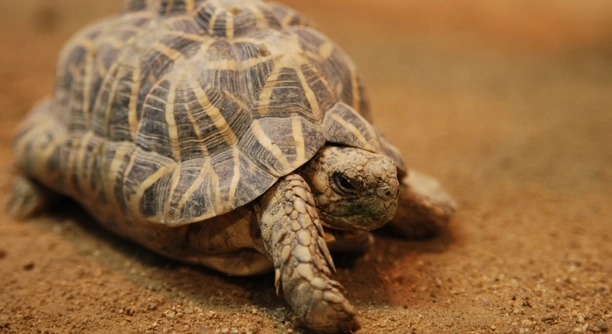
Are you worried about overfeeding your Indian star tortoise and affecting its health? Providing a balanced diet is essential to prevent obesity and related health issues. Proper portion control and dietary variety help maintain your tortoise’s overall well-being.
The best way to prevent overfeeding is to regulate portion sizes, offer a variety of fibrous greens, and avoid excessive high-protein foods. Consistently monitoring your tortoise’s weight and feeding schedule ensures proper nutrition without leading to health complications associated with overconsumption.
Feeding your tortoise correctly supports its long-term health and prevents unnecessary dietary risks. Learning these seven steps will help you establish a healthy and sustainable feeding routine for your Indian star tortoise.
Control Portion Sizes
Overfeeding can lead to serious health problems for Indian star tortoises. Their diet should be primarily fibrous greens, making up about 80% of their meals. Leafy vegetables such as collard greens, mustard greens, and dandelion greens are ideal choices. Limit the amount of fruit and protein-rich foods, as these can contribute to obesity and shell deformities. A proper portion should be roughly the size of your tortoise’s shell, ensuring they receive enough nutrition without excessive intake. Consistency is key—feed your tortoise at the same time daily to maintain a balanced routine.
Feeding too much food at once can encourage overeating. Offering smaller, controlled portions allows your tortoise to digest food efficiently and maintain a steady metabolism. Sticking to a schedule ensures they eat only what they need.
Tortoises have slow metabolisms, meaning they do not require frequent meals. Skipping a feeding day once or twice a week can be beneficial. This mimics their natural eating patterns and prevents excess weight gain. Avoid feeding too many calorie-dense foods like pellets, as they can contribute to overfeeding. Instead, prioritize fresh greens and fibrous vegetation to keep your tortoise healthy and active.
Choose the Right Foods
A diet rich in high-fiber greens is essential for your Indian star tortoise’s health. Vegetables like kale, endive, and escarole provide necessary nutrients without excessive calories. Avoid high-sugar fruits and limit starchy vegetables, as they can lead to weight gain.
Indian star tortoises thrive on a diet that closely resembles what they would eat in their natural habitat. Feeding a variety of leafy greens ensures they receive the right nutrients while avoiding an overreliance on one type of food. Calcium-rich options like turnip greens and dandelion greens promote strong shells and prevent deficiencies. A small portion of hibiscus flowers or prickly pear cactus pads can add diversity to their diet without contributing to overfeeding.
Commercial pellets can be offered occasionally, but they should not make up a large part of the diet. Many pellets contain excessive protein and carbohydrates, which can lead to growth abnormalities if fed in excess. Providing clean, fresh water is just as important as offering the right foods, as proper hydration aids digestion and nutrient absorption. Ensuring a well-balanced diet prevents unnecessary weight gain while keeping your tortoise healthy and active.
Avoid Overfeeding Treats
Giving too many treats can lead to excessive weight gain and nutritional imbalances. Treats should only be an occasional addition to your tortoise’s diet. Stick to small portions of safe options like hibiscus flowers or occasional fruit, but avoid frequent feeding of sugary or starchy foods.
Fruits contain natural sugars that can disrupt your tortoise’s digestion when given too often. If offering fruit, keep portions small and infrequent—once every few weeks is sufficient. Opt for fiber-rich options like papaya or prickly pear cactus pads. Overfeeding treats can reduce your tortoise’s interest in nutrient-dense greens, leading to deficiencies. Ensuring a proper balance between treats and staple foods helps maintain overall health.
Commercial treats marketed for tortoises often contain unnecessary additives. Instead of relying on store-bought options, focus on natural treats that provide fiber and hydration. Occasional flowers or fibrous plants are a better alternative to processed snacks. Keeping treats minimal supports a healthy diet.
Monitor Weight and Growth
Keeping track of your tortoise’s weight is essential for preventing overfeeding. Regular weight checks allow you to detect any sudden increases, which can indicate excessive food intake. Using a small scale and recording the weight monthly helps you adjust portion sizes when needed.
Weighing your tortoise consistently provides insight into its overall health. If weight gain is noticeable over a short period, consider reducing portion sizes or cutting back on treats. Shell growth should remain steady and smooth—rapid growth may signal an imbalanced diet. A well-regulated feeding routine ensures your tortoise maintains a natural, healthy weight without developing obesity-related issues.
Gradual growth is expected, but excessive weight gain can put stress on a tortoise’s shell and internal organs. Monitoring their size helps you adjust feeding habits accordingly. A combination of portion control, a fibrous diet, and regular weight checks will help maintain a healthy balance for your tortoise.
Stick to a Feeding Schedule
Feeding at the same time each day helps regulate your tortoise’s eating habits. A consistent routine prevents unnecessary snacking and overeating. Offering food once a day, with occasional fasting days, mimics their natural feeding patterns and keeps their digestive system functioning properly.
Skipping a meal once or twice a week is beneficial. It allows your tortoise’s body to process previous meals fully and prevents excessive weight gain. Fasting days also help regulate their metabolism and encourage them to eat only what they need rather than consuming food out of habit.
Encourage Natural Foraging
Placing food in different areas of the enclosure encourages movement and mimics how tortoises find food in the wild. Spreading out greens and edible plants keeps them active and prevents overeating. This method also provides mental stimulation, keeping them engaged and promoting healthier eating behaviors.
Provide Proper UVB Exposure
UVB lighting is essential for digestion and nutrient absorption. Without it, tortoises may struggle to process calcium, leading to growth issues. Ensuring they receive adequate natural sunlight or a high-quality UVB bulb helps maintain their overall health and prevents complications linked to overfeeding.
FAQ
How often should I feed my Indian star tortoise?
Adult Indian star tortoises should be fed once a day, with occasional fasting days to prevent overeating. Hatchlings and juveniles require daily feeding due to their higher growth rates. Providing a balanced diet of leafy greens, grasses, and occasional vegetables ensures proper nutrition without excessive calorie intake.
Can Indian star tortoises eat fruit?
Fruit should only be an occasional treat, given sparingly. The high sugar content can disrupt digestion and lead to weight gain. If offering fruit, choose fiber-rich options like papaya or prickly pear, and limit portions to small amounts once every few weeks to prevent imbalances in their diet.
What are the signs of overfeeding in Indian star tortoises?
Rapid weight gain, an overly domed shell, and excessive fat deposits around the legs and neck indicate overfeeding. A tortoise that becomes sluggish or refuses fibrous foods in favor of soft treats may also be eating too much. Monitoring their weight and adjusting portion sizes helps maintain a healthy balance.
Should I let my tortoise graze freely?
Supervised grazing on pesticide-free grass and weeds is beneficial, but unlimited access to food can lead to overeating. If your tortoise is in an outdoor enclosure with edible plants, monitor its intake to ensure it is not consuming excessive amounts. A controlled feeding schedule remains the best approach.
Do Indian star tortoises need protein in their diet?
They thrive on a high-fiber, low-protein diet. Unlike some tortoise species, they do not require animal-based proteins. Excessive protein can cause rapid growth and shell deformities. Sticking to fibrous greens, grasses, and edible flowers provides the necessary nutrients without the risks associated with high-protein foods.
How do I know if my tortoise is getting the right amount of food?
A healthy tortoise maintains steady, gradual growth without excessive fat deposits. If the shell appears smooth and their energy levels remain consistent, their diet is likely well-balanced. Regularly weighing your tortoise and observing their body condition can help you determine if adjustments are necessary.
Can an overfed tortoise develop health issues?
Yes, overfeeding can lead to obesity, metabolic bone disease, and shell deformities. Excess weight puts strain on their organs and reduces mobility. A diet high in soft foods or lacking in fiber can also cause digestive issues. Maintaining proper portion sizes and a balanced diet prevents these complications.
How can I reduce my tortoise’s food intake safely?
Gradually decrease portion sizes rather than making sudden changes. If your tortoise is overeating, introduce more fibrous greens and reduce high-calorie foods. Incorporating occasional fasting days and encouraging movement through foraging activities can help regulate their appetite and prevent weight gain.
Is it normal for my tortoise to beg for food?
Tortoises can develop feeding responses and may appear eager to eat even when they do not need food. This behavior does not always indicate hunger. Sticking to a consistent feeding schedule and avoiding excessive treats prevents overfeeding while keeping their diet balanced.
Does UVB lighting help with digestion?
Proper UVB exposure supports digestion and nutrient absorption, especially for calcium. Without adequate UVB, tortoises may struggle to process food efficiently, leading to health issues. Ensuring they receive enough natural sunlight or using a high-quality UVB bulb promotes overall well-being and prevents dietary imbalances.
Final Thoughts
Preventing overfeeding in Indian star tortoises requires a balanced diet, controlled portion sizes, and careful monitoring of their overall health. Providing a variety of fibrous greens, grasses, and occasional vegetables helps maintain proper digestion and nutrition. Avoiding excessive fruits and protein prevents unnecessary weight gain and metabolic issues. Regular feeding schedules, along with occasional fasting days, support a natural eating pattern and reduce the risk of obesity. Ensuring they receive adequate UVB exposure and hydration further promotes healthy digestion and nutrient absorption. By following these steps, you can help your tortoise maintain a stable weight and avoid common health problems associated with overeating.
Recognizing the signs of overfeeding is essential to maintaining your tortoise’s well-being. Shell deformities, sluggishness, and excessive fat deposits indicate a need for dietary adjustments. If your tortoise shows these signs, gradually reducing portion sizes and increasing fiber intake can help restore balance. Encouraging movement through foraging or providing a spacious enclosure also supports weight management. Keeping track of your tortoise’s growth and weight over time ensures that their diet remains appropriate. Since Indian star tortoises are prone to obesity in captivity, careful monitoring and a structured feeding routine are necessary to prevent long-term health complications.
A well-planned diet and consistent care are key to a healthy, active tortoise. Feeding your tortoise the right foods in proper amounts allows them to grow at a steady rate without the risks of overfeeding. Establishing a structured routine not only prevents weight-related health issues but also promotes a more natural and enriching lifestyle. With mindful feeding habits, regular observation, and proper habitat conditions, you can ensure your Indian star tortoise thrives for years to come.

Hello,
If you enjoy the content that we create, please consider saying a "Thank You!" by leaving a tip.
Every little bit helps us continue crafting quality advice that supports the health, happiness, and well-being of pets around the world, for pets of all shapes, sizes, and species.
We really appreciate the kindness and support that you show us!