
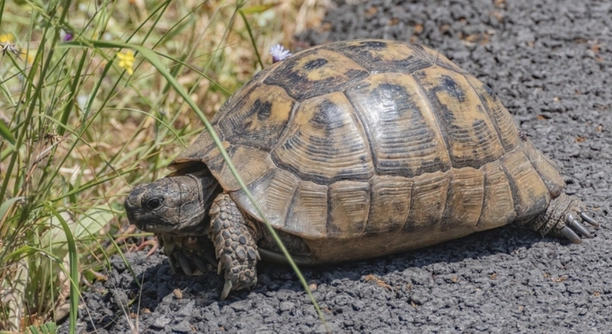
Preparing your Greek tortoise for hibernation requires careful steps to ensure its safety and well-being during this natural process. As winter approaches, it’s essential to follow proper guidelines to avoid any health risks for your tortoise.
To safely prepare your Greek tortoise for hibernation, monitor its health, reduce food intake, and ensure it has a proper hibernation environment. Gradually lower temperatures and maintain a clean, dry space to support the tortoise’s natural dormancy cycle without harm.
These simple steps will help you support your tortoise through hibernation, ensuring it remains healthy and safe during the colder months.
Understanding When Your Greek Tortoise Should Begin Hibernation
Before starting the preparation process, it’s essential to understand when your Greek tortoise should begin its hibernation. Typically, they hibernate during the colder months, from late fall to early spring, depending on environmental conditions. The timing of hibernation is crucial because it affects their overall health. Tortoises are sensitive to changes in light and temperature, which signals when it’s time to hibernate. As a general rule, Greek tortoises should not enter hibernation too early or too late, as this can disrupt their natural cycle and cause complications.
Monitoring your tortoise’s behavior will help you determine the right time. When it starts to slow down, eating less, and hiding more, it’s often a sign that hibernation is near. Keep an eye on your tortoise’s health in the weeks leading up to this period, as proper preparation is key. A healthy tortoise is more likely to survive hibernation without complications.
In summary, knowing the right time to start hibernation is critical to ensuring the safety of your tortoise. It’s important to be aware of the signs and adjust their care accordingly.
Monitoring Your Greek Tortoise’s Health Before Hibernation
It’s important to make sure your Greek tortoise is in good health before hibernation begins. Regular vet visits will help ensure there are no underlying issues that could complicate the process.
Make sure your tortoise is eating well, has a healthy weight, and isn’t showing any signs of illness. Check its eyes, skin, and overall activity. It should be active and alert before entering hibernation. Dehydration and malnutrition can make it harder for your tortoise to survive the cold months, so provide fresh vegetables and clean water up until the hibernation period. You should also weigh your tortoise to ensure it has a healthy amount of body fat. If it’s underweight, delay hibernation and focus on its care.
A healthy tortoise will hibernate more easily and safely. Therefore, health checks are the most important part of the preparation process. If all signs are good, it’s time to move to the next step.
Preparing the Hibernation Environment
Ensure your Greek tortoise’s hibernation environment is clean and dry. Avoid placing it in a damp area, as moisture can lead to respiratory infections. Choose a quiet, cool space that stays consistently around 50-60°F (10-15°C). A garage, basement, or specially designed enclosure works well. Make sure there are no disturbances in the environment, such as loud noises or temperature fluctuations, that could stress the tortoise.
Proper ventilation is essential to maintain air quality in the hibernation space. You can use a small box or wooden crate lined with dry bedding, such as hay or shredded paper. The bedding should be soft and absorbent but not too thick. Place your tortoise inside the container, ensuring it has enough room to move slightly but remains secure. Avoid placing food or water inside, as they won’t need it during hibernation.
A stable temperature is key to keeping your tortoise safe throughout the hibernation period. Too much warmth can wake them prematurely, while excessive cold could cause metabolic issues. Keep the environment cool but not freezing. Checking the temperature regularly will help ensure conditions stay within the right range.
Reducing Food Intake
In the weeks leading up to hibernation, gradually reduce your tortoise’s food intake. This step helps to empty its digestive system and prepares it for a long period without food. Slowly cut back on feeding amounts while maintaining a balanced diet. Overfeeding can lead to gastrointestinal issues during hibernation, so aim for smaller, lighter meals.
You should stop feeding your tortoise entirely about 7-10 days before hibernation. This period allows its digestive system to empty, reducing the risk of food sitting in the stomach during dormancy. Avoid fasting for too long, though, as this can lead to dehydration or malnutrition. Ensuring your tortoise has access to water until the fasting period is over is essential for maintaining its health.
As your tortoise prepares for hibernation, monitor its weight and health carefully. If you notice significant weight loss or signs of illness, it may be best to delay hibernation until the tortoise is stronger.
Weighing Your Greek Tortoise
Weigh your Greek tortoise before hibernation to ensure it is at a healthy weight. Regular weight checks help you monitor its condition and ensure it is not underweight. Tortoises should have a healthy fat reserve to survive hibernation. A sudden drop in weight may indicate health issues.
If your tortoise is underweight, delay hibernation and focus on increasing its food intake. You can try offering nutrient-rich foods like dark leafy greens. A tortoise that’s too thin may struggle to survive the long period without food. A healthy weight ensures a higher chance of safe hibernation.
Adjusting Lighting for Hibernation
In the weeks before hibernation, adjust the lighting to simulate a natural day-night cycle. Gradually reduce the amount of light your tortoise is exposed to, which will signal to its body that it’s time to prepare for dormancy. Make the light cycle shorter each day until it’s only 8-10 hours of light per day. This change mimics the shortening days of fall.
Be sure to provide a UVB light source while reducing the intensity of the light. Tortoises still need UVB to maintain their health before they go into hibernation, but the light intensity should decrease as part of the natural transition to colder months. This controlled adjustment will help the tortoise prepare for the hibernation process.
Temperature Control
Ensure that the temperature remains stable as your tortoise prepares for hibernation. Extreme fluctuations can confuse its natural cycle and cause stress. Aim for a temperature range between 50-60°F (10-15°C) in its hibernation area. Avoid placing the tortoise in an area where temperatures can fall below freezing.
Keeping the temperature steady is vital to maintaining a safe environment for hibernation. You can use a thermometer to monitor the space daily and adjust as needed. If you live in a warmer climate, you may need to use a refrigerator to simulate winter conditions. However, ensure the fridge doesn’t dip below freezing.
FAQ
How long should my Greek tortoise hibernate?
The hibernation period for Greek tortoises typically lasts between 2 to 3 months. The exact length can vary depending on environmental conditions, temperature, and the tortoise’s overall health. Ensure that the environment remains cool and stable during this time to prevent any disruptions. It’s important not to let the tortoise hibernate for too long, as prolonged hibernation can lead to complications such as weight loss or dehydration. If the temperature or environmental conditions are not ideal, it is best to shorten the hibernation period.
Can I hibernate my Greek tortoise in my house?
Yes, you can hibernate your Greek tortoise in your house, but it needs to be in a cool, quiet, and stable environment. A garage, basement, or even a cupboard away from drafts is ideal. Ensure the area maintains a temperature between 50-60°F (10-15°C). Avoid places where the temperature fluctuates too much, like near heating vents or in rooms that are subject to constant changes in temperature. The goal is to mimic the natural conditions of winter.
Should I wake up my tortoise if I notice any changes during hibernation?
If you notice any signs of distress or unusual behavior, such as sudden weight loss, breathing issues, or lethargy, it’s important to consult a vet. Waking up your tortoise during hibernation should be avoided unless absolutely necessary. Premature waking can disrupt the natural process and cause stress to your tortoise. However, if it is showing signs of illness or dehydration, it may be necessary to end hibernation and provide medical care.
Can I feed my tortoise during hibernation?
No, Greek tortoises do not need food during hibernation. In fact, it’s important not to feed them as their digestive system slows down significantly during this period. The risk of food sitting undigested in their stomach can cause serious health issues, including bacterial infections. Ensure your tortoise has fully emptied its digestive system before hibernation begins, and withhold food for about 7-10 days prior to placing it into hibernation.
How can I tell if my tortoise is healthy enough for hibernation?
A healthy tortoise is active, has a healthy weight, and shows no signs of illness before hibernation begins. It should be alert, not underweight, and free from respiratory issues or other ailments. Regular vet checkups are essential to confirm your tortoise is healthy. Weigh your tortoise to ensure it has adequate body fat. If your tortoise is underweight, delay hibernation and provide extra nourishment to bring it to a healthy condition before starting the process.
What happens if my tortoise is too warm during hibernation?
If your tortoise is too warm during hibernation, it can wake up prematurely and use up its energy reserves too quickly. This can disrupt the natural cycle and lead to stress. Additionally, excessive warmth can cause metabolic issues and even dehydration. It’s crucial to maintain a temperature range of 50-60°F (10-15°C) to ensure that your tortoise stays in a proper, dormant state. If temperatures rise above this range, the tortoise could be forced to wake up, which isn’t ideal.
Can I hibernate a baby Greek tortoise?
Baby Greek tortoises are more vulnerable than adults, so it is not recommended to hibernate them in their first year. It’s best to allow them to grow and develop fully before hibernating them, which typically happens when they reach a weight of 150-200 grams. Baby tortoises have higher energy needs, and hibernation can cause stress and potential health risks if done too early. Ensure they are well-fed and healthy before considering hibernation.
What should I do if my tortoise wakes up early from hibernation?
If your tortoise wakes up early from hibernation, check its environment and health. Ensure the temperature has not increased too much, which could have caused the early waking. Provide a quiet, cool area for it to rest and adjust the temperature if needed. If your tortoise is showing signs of stress or health issues, consult a vet for advice. Waking up prematurely can disrupt the hibernation cycle, but with proper care, your tortoise can adjust and resume a safe hibernation period.
How often should I check on my tortoise during hibernation?
During hibernation, check on your tortoise every 2 to 3 weeks to ensure it remains in a stable condition. Make sure the temperature is consistent and that there are no signs of illness or distress. Avoid disturbing the tortoise too frequently, as this can disrupt its hibernation. If the tortoise has not eaten for several weeks, it is normal; however, if it appears dehydrated or unhealthy, you should seek veterinary advice.
What if my tortoise doesn’t want to hibernate?
Not all tortoises hibernate at the same time or for the same length of time. Some may resist hibernation if environmental conditions are not ideal. If your tortoise does not want to hibernate, make sure its environment is cool enough, and ensure the lighting is gradually adjusted to simulate shorter days. However, if it refuses to hibernate despite these adjustments, it could be a sign of an underlying health issue. In this case, consult with a vet to make sure everything is alright.
Hibernating a Greek tortoise requires careful planning and attention to detail. It is important to ensure that your tortoise is healthy, has reached an appropriate weight, and is fully prepared for the hibernation process. Proper temperature control, a clean environment, and regular checks throughout the hibernation period are key to ensuring that the process goes smoothly. By following these steps, you can give your tortoise the best chance to thrive during its winter rest.
One of the most important factors in preparing your tortoise for hibernation is providing a stable, cool environment. You should never place your tortoise in areas with fluctuating temperatures, such as near heaters or vents. The temperature should be kept between 50-60°F (10-15°C) for optimal hibernation. Additionally, make sure that your tortoise is in good health before hibernating. If your tortoise is underweight or showing signs of illness, it is best to delay hibernation until it is stronger. Ensuring that your tortoise has had a chance to empty its digestive system before beginning hibernation is also crucial to prevent potential health problems.
While it is important to let your tortoise hibernate undisturbed, you should still check on it every few weeks to make sure everything is going well. If any unusual signs appear, such as rapid weight loss, signs of dehydration, or breathing issues, it’s essential to seek help from a veterinarian. If everything goes according to plan, your tortoise will wake up in the spring, ready to continue its active life. Taking the time to prepare your tortoise properly for hibernation will ensure that it has a safe and healthy rest period, contributing to its overall well-being.

Hello,
If you enjoy the content that we create, please consider saying a "Thank You!" by leaving a tip.
Every little bit helps us continue crafting quality advice that supports the health, happiness, and well-being of pets around the world, for pets of all shapes, sizes, and species.
We really appreciate the kindness and support that you show us!