
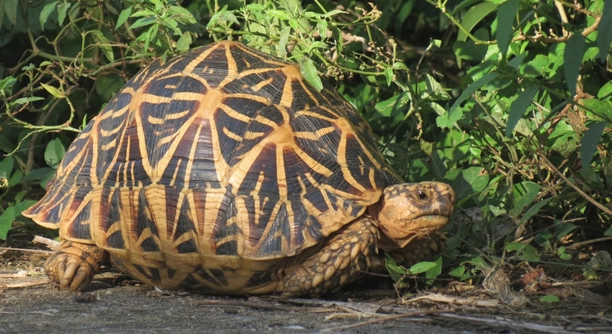
Keeping your Indian star tortoise comfortable outdoors requires careful consideration. These reptiles enjoy spending time outside but need a safe and nurturing environment. Proper planning ensures their well-being and allows them to thrive in the natural world.
The key to keeping your Indian star tortoise comfortable outdoors is creating an environment that meets its basic needs. This includes providing a secure enclosure, proper humidity, temperature, and access to clean food and water to maintain health and safety.
By following these steps, you will provide your tortoise with a suitable environment for its well-being and happiness.
Choosing the Right Enclosure for Your Indian Star Tortoise
When setting up an outdoor space for your Indian star tortoise, choosing the right enclosure is essential. It should be secure enough to prevent escape and large enough to allow the tortoise to move around freely. The enclosure should have solid walls, such as wooden or mesh fencing, to keep predators out. Consider using a roof or netting to protect the tortoise from falling objects, rain, or extreme sunlight. A well-ventilated, covered space also helps maintain appropriate temperature and humidity levels. Adding hiding spots like rocks or logs within the enclosure provides a sense of safety and comfort.
Creating a comfortable environment is about more than just space. Ensure there are no sharp edges that could cause harm. Providing a layer of soft, natural substrate like grass or dirt makes the enclosure more inviting.
You can also add natural plants to the area. This not only creates a more natural habitat but also allows the tortoise to forage, adding to its overall comfort and well-being. Keep the plants safe by choosing non-toxic options.
Temperature and Humidity Control
Temperature and humidity are critical factors for the health of your Indian star tortoise. Outdoor environments can fluctuate, so it is important to monitor conditions regularly. Aim for temperatures between 80 and 90°F during the day. At night, temperatures can drop slightly but should remain above 70°F. Using a thermometer inside the enclosure helps keep track of these levels.
Humidity should be maintained at 50-60%. Too much humidity can cause respiratory issues, while too little can lead to dehydration. Providing a shallow water dish allows the tortoise to drink and soak as needed. Consider misting the enclosure during dry periods to maintain the right humidity level.
Providing Shelter and Shade
Shelter and shade are essential for keeping your Indian star tortoise comfortable outdoors. Create shaded areas using plants, umbrellas, or small shelters. These areas allow your tortoise to retreat during the hottest parts of the day, avoiding heat stress. Consider using materials that can block direct sunlight but still allow proper air circulation.
A simple wooden structure or a corner with tall plants can provide shelter. It is important to keep the shelter dry, as moisture can cause health issues like shell rot. Ensure it is also large enough to accommodate the tortoise if it needs space to move around.
During the warmer months, your tortoise may seek shade frequently. The shelter should be placed in a spot that doesn’t get too cold at night, as temperature extremes can be harmful. Adding a few rocks or logs in the shaded area will give the tortoise an extra place to hide, making it feel secure.
Providing a Proper Diet Outdoors
When your Indian star tortoise is outdoors, ensuring it has access to a balanced diet is vital. Offer fresh leafy greens like dandelion leaves, clover, and grasses. You can also provide a variety of vegetables such as squash, carrots, and bell peppers. Keep their diet natural by allowing them to forage for food in the enclosure.
Ensure that the food provided is free from pesticides and chemicals. You can also supplement their diet with calcium and vitamin D3 powder to support shell and bone health. Provide food in clean dishes, so there is no risk of contamination.
Food should be available in appropriate amounts to avoid overfeeding. Offering meals once a day is enough for most tortoises, though be mindful not to leave food for too long. Always remove uneaten food promptly to avoid attracting pests. Clean the feeding area regularly to maintain a healthy environment.
Preventing Escape
It’s important to secure the outdoor enclosure to prevent your Indian star tortoise from escaping. Make sure the walls are tall enough and buried deep enough to stop burrowing. Using mesh or wooden fencing is effective. Check for gaps where the tortoise might slip through or dig under.
Regularly inspect the enclosure to make sure there are no signs of damage. Tighten or replace any loose panels or sections. Keeping the enclosure secure ensures that the tortoise can enjoy the outdoors safely without the risk of getting lost or exposed to dangers outside its habitat.
Protecting from Predators
To protect your Indian star tortoise from predators, ensure the enclosure is well-built and secure. Use fencing materials strong enough to withstand animals trying to dig or push through. Adding a roof or netting will prevent aerial predators like birds of prey from swooping down.
Monitor the area around the enclosure to ensure no predators, like raccoons or stray dogs, can gain access. Keep the perimeter clear of debris and overgrown plants that could provide hiding spots for predators. Consider installing motion-activated lights or alarms to further deter any unwanted visitors.
Providing a Suitable Water Source
Access to clean, fresh water is crucial for your Indian star tortoise’s health. Provide a shallow dish for drinking and soaking. The water should be changed daily to avoid contamination. The dish should be large enough for the tortoise to soak its legs and feet, but not too deep to cause drowning.
FAQ
How much space does an Indian star tortoise need outdoors?
An Indian star tortoise requires a minimum of 4×4 feet of space for a single tortoise, though more space is always better. The larger the enclosure, the more room it has to roam, bask, and forage. Make sure the space is secure and free from sharp objects or hazards that could harm your tortoise.
Can Indian star tortoises be left outside in the winter?
No, Indian star tortoises cannot be left outdoors in cold temperatures. They are sensitive to temperature drops and can easily become ill or even die from prolonged exposure to cold. During the winter, it’s best to bring them indoors or move them to a heated space that maintains temperatures between 70-80°F.
How do I keep my tortoise hydrated outdoors?
To keep your Indian star tortoise hydrated, provide a shallow water dish that it can easily access. Change the water daily to ensure it remains clean. You can also mist the enclosure with water to help maintain humidity levels, which will assist with hydration.
What kind of food should I provide for my outdoor tortoise?
You should provide your Indian star tortoise with fresh leafy greens such as dandelion greens, clover, and grass. Vegetables like squash, carrots, and bell peppers are also good options. Avoid feeding your tortoise fruits too often, as they can be too sugary and upset its digestive system.
How do I protect my tortoise from predators?
To protect your Indian star tortoise from predators, ensure the enclosure has high walls or fencing that are buried deep enough to prevent burrowing. Adding a roof or netting will protect the tortoise from aerial predators, such as hawks or other birds of prey.
Can I use a plastic container as an enclosure for my tortoise?
Plastic containers are not ideal for outdoor enclosures due to poor ventilation, the potential for temperature fluctuations, and limited space. It’s better to use a well-constructed wooden or mesh enclosure that allows for proper airflow and provides enough room for the tortoise to move around.
Should I give my tortoise a hiding spot outdoors?
Yes, providing a hiding spot for your Indian star tortoise is important. Tortoises feel safer when they have the option to retreat into a shaded, secluded area. Use natural materials like rocks, logs, or small shelters to create hiding places where your tortoise can escape from the sun or potential stressors.
What is the best type of substrate for my tortoise’s outdoor enclosure?
A good substrate for an outdoor tortoise enclosure includes natural materials like dirt, grass, or a mix of organic matter. Avoid using substrates that could be harmful, such as gravel or sand, which could cause digestive issues if ingested. The substrate should be easy to clean, absorb moisture, and provide some texture for digging.
How can I ensure my tortoise gets enough sunlight outdoors?
Indian star tortoises require access to direct sunlight for UVB exposure, which is essential for their health. Provide a sunny spot within the enclosure where your tortoise can bask. Ensure the tortoise can move between shaded and sunny areas to regulate its body temperature as needed.
How often should I clean my tortoise’s outdoor enclosure?
You should clean your tortoise’s outdoor enclosure at least once a week, removing any leftover food, waste, and debris. A more thorough cleaning should be done monthly, which includes disinfecting the enclosure and changing out the substrate. Regular cleaning helps prevent the buildup of harmful bacteria and keeps the tortoise healthy.
Can I leave my tortoise outside overnight?
Indian star tortoises can spend the night outdoors as long as the temperature remains within a safe range (70-80°F). If temperatures drop too low, it’s important to bring the tortoise indoors or provide a heated shelter. Ensure the enclosure is predator-proof, and that your tortoise is safe from any nighttime threats.
How can I tell if my tortoise is stressed?
Signs of stress in your Indian star tortoise may include a lack of appetite, excessive hiding, or unusual behavior such as pacing or aggression. Changes in their shell, like discoloration or softness, can also indicate stress or health issues. If you notice any of these signs, it’s best to consult a veterinarian.
Is it safe for my tortoise to roam free in the yard?
Allowing your Indian star tortoise to roam freely in your yard is not recommended unless you have fully enclosed the area and have ensured it is free from hazards. A secure enclosure will help prevent escape, protect your tortoise from predators, and allow you to control its environment to meet its needs.
How can I maintain the right temperature for my tortoise outdoors?
To maintain the right temperature for your Indian star tortoise, use heat lamps or basking lights in certain areas of the enclosure. Make sure the tortoise has access to cooler areas to avoid overheating. If temperatures are too hot, provide shaded spots for the tortoise to retreat to during the hottest parts of the day.
What type of lighting should I use in my tortoise’s outdoor enclosure?
Indian star tortoises need access to UVB lighting to help them metabolize calcium and maintain strong bones and shells. If they are outside, natural sunlight provides the best UVB exposure. If they are indoors, use a UVB light designed for reptiles, placed in the enclosure to provide adequate light.
How can I tell if my tortoise is healthy?
A healthy Indian star tortoise will have a strong, hard shell with no visible cracks or softness. Its eyes should be clear, and it should be active, eating well, and moving around its enclosure. If you notice unusual behavior, changes in appetite, or visible signs of illness, consult a veterinarian.
Do I need to give my tortoise vitamins or supplements?
You can provide vitamin and calcium supplements to your Indian star tortoise, especially if it isn’t getting enough from its diet. Calcium is important for maintaining a healthy shell. Vitamin D3 can help with calcium absorption, but over-supplementing can be harmful, so consult with a vet for proper guidance.
Final Thoughts
Ensuring the comfort and safety of your Indian star tortoise outdoors is essential for its well-being. By setting up a secure enclosure, you create a space where your tortoise can thrive. It’s important to keep the environment clean and free from any hazards that could harm the tortoise. Regularly checking the enclosure for damage or gaps will prevent escapes and protect against predators. With the right preparation, your tortoise can enjoy the outdoors safely, allowing it to engage in natural behaviors like basking and foraging.
Proper hydration, temperature regulation, and access to UVB lighting are also key factors to consider. A shallow water dish and consistent monitoring of the temperature will help keep your tortoise healthy. Making sure there is enough access to sunlight for UVB exposure is vital for calcium absorption and overall growth. Additionally, offering a balanced diet with fresh greens will meet its nutritional needs. Taking these steps ensures that your tortoise has a stable, enriching environment to explore.
Overall, caring for an Indian star tortoise outdoors requires attention to detail and regular maintenance. The right habitat and proper care can greatly improve the quality of life for your tortoise. By providing a safe, clean, and stimulating environment, you help it lead a healthy, active life. Always be mindful of the changes in weather and adjust accordingly to protect your tortoise from extreme conditions. With thoughtful consideration, your tortoise will enjoy its outdoor space while remaining safe and comfortable.

Hello,
If you enjoy the content that we create, please consider saying a "Thank You!" by leaving a tip.
Every little bit helps us continue crafting quality advice that supports the health, happiness, and well-being of pets around the world, for pets of all shapes, sizes, and species.
We really appreciate the kindness and support that you show us!