
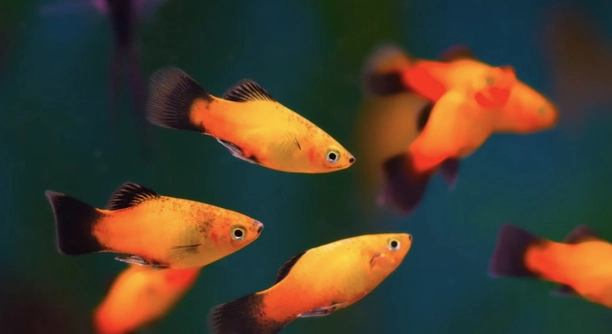
Introducing fry to a community tank can be a delicate process. Many aquarium owners want to ensure their young fish thrive without upsetting the balance of their established tank. Knowing the right steps helps create a safe environment for all inhabitants.
The best approach to introducing fry involves gradual acclimation, careful monitoring of water quality, and providing ample hiding spaces. Following a structured sequence reduces stress and aggression, promoting fry survival and harmonious integration within the community tank.
Proper care during this transition supports healthy growth and tank stability, making the process smoother for both fry and adult fish.
Preparing the Community Tank
Before adding fry, it is important to prepare the tank properly. Start by cleaning the tank and checking water parameters such as temperature, pH, and ammonia levels. Ensure these match the needs of the fry species. Remove any aggressive or overly territorial fish to prevent harm. Add plants, decorations, or breeding mops to provide hiding places for the fry. These shelters help reduce stress and increase their chances of survival. A well-prepared tank encourages a calm environment and helps fry settle in more easily.
Preparation also includes adjusting the filtration system. Use gentle filters or cover strong intake areas to prevent fry from being sucked in. Feeding adult fish should be reduced temporarily to minimize competition. Finally, perform a partial water change to improve water quality right before introducing the fry. This step helps remove any harmful substances and refreshes the tank environment.
A properly prepared community tank reduces stress on the fry and protects them from potential threats. It sets a good foundation for their growth.
Acclimating the Fry
Acclimating fry slowly is essential. Start by floating their container in the tank for 15–20 minutes. This allows temperature adjustment. Gradually add small amounts of tank water to the fry’s container every 5 minutes. After 30–45 minutes, gently release the fry into the tank.
Once introduced, observe the fry closely for the first few hours. Avoid feeding immediately to reduce water cloudiness. Instead, wait until they settle and swim actively. Frequent small feedings with appropriate fry food support healthy development. Keep the tank dimly lit to reduce stress. Acclimation done carefully improves survival and integration of fry into the community tank.
Monitoring Water Quality
Maintaining stable water quality is critical when introducing fry. Regular testing helps catch any sudden changes that could harm them. Parameters like ammonia, nitrite, nitrate, and pH need close attention.
Ammonia and nitrite should always be at zero because they are toxic to fry. Frequent small water changes help keep these levels down without causing shock. Use a reliable test kit daily at first, then reduce frequency once the tank stabilizes. Proper filtration and avoiding overfeeding also support clean water. Stress from poor water quality can lead to disease or death in fry.
It is important to keep the water temperature consistent to avoid additional stress. Avoid large temperature swings by using heaters or chillers if needed. Watch for signs like lethargy or gasping, which may indicate poor water conditions. Acting quickly can save the fry and maintain a healthy tank environment.
Feeding the Fry
Feed fry small amounts often to meet their nutritional needs. Use finely crushed flakes, powdered fry food, or specially designed fry pellets to ensure they can eat properly.
Young fry require frequent feeding because they have fast metabolisms and small stomachs. Feeding 3-5 times daily helps maintain their energy without overloading the tank. Remove uneaten food after 15 minutes to avoid water pollution. If live foods like baby brine shrimp or microworms are available, they can improve growth and survival rates. These foods are highly nutritious and stimulate natural hunting behavior.
Monitor the fry’s growth and adjust feeding amounts accordingly. Overfeeding can lead to poor water quality, while underfeeding slows growth. A balanced diet supports strong development and prepares fry for life in a community tank. Feeding routines should be consistent but flexible to the fry’s needs and tank conditions.
Avoiding Aggressive Tank Mates
Remove aggressive or territorial fish before introducing fry. These fish can harm or stress young fry, reducing their survival chances. A peaceful community tank creates a safer space for fry to grow.
Observe the tank’s behavior carefully after adding fry. Sometimes, even normally peaceful fish may act aggressively toward fry. Be ready to separate fry if needed to prevent injuries.
Providing Hiding Places
Adding plants, caves, or breeding mops gives fry places to hide. These shelters protect them from stress and aggression. Natural or artificial decorations both work well for this purpose.
Hiding places encourage fry to explore and feel secure. This increases their chances of survival and healthy development.
Gradual Integration
Slowly increasing fry interaction with adult fish helps reduce stress. Keep fry in a separate nursery area or breeder box at first. This controlled exposure builds tolerance before full integration.
How long does it take for fry to adjust to a community tank?
Fry typically need several days to a few weeks to fully adjust to a community tank. The adjustment period depends on the species, tank conditions, and the behavior of adult fish. Providing hiding spaces and maintaining stable water quality can speed up this process. Gradual acclimation and careful monitoring reduce stress during these critical early days.
What is the best food to feed fry in a community tank?
The best food for fry includes finely crushed flakes, powdered fry food, or specially formulated pellets. Live foods such as baby brine shrimp or microworms are excellent for growth and development because they encourage natural feeding behavior. Feeding small amounts multiple times daily helps fry absorb nutrients without fouling the water.
Can fry survive with adult fish in the same tank?
Fry can survive with adult fish if the adults are peaceful and not aggressive or territorial. Providing ample hiding spots reduces the risk of fry being attacked or stressed. Sometimes, fry are kept in breeder boxes or separate nursery tanks until they grow large enough to handle adult fish without harm.
How often should I test water quality when introducing fry?
Water quality should be tested daily during the first week after introducing fry. Important parameters include ammonia, nitrite, nitrate, and pH. Once stable conditions are established, testing can be reduced to twice a week. Regular testing helps catch problems early and ensures a safe environment for fry growth.
Is it necessary to remove aggressive fish before adding fry?
Yes, removing aggressive or territorial fish before adding fry is highly recommended. These fish can attack or stress fry, decreasing their chances of survival. A peaceful tank environment allows fry to grow without constant threats, leading to healthier development.
How do I prevent overfeeding when feeding fry?
Feed small amounts frequently and observe how much the fry consume within 15 minutes. Remove any leftover food promptly to avoid water quality issues. Overfeeding can lead to excess waste and harmful ammonia spikes. Feeding schedules should balance the fry’s nutritional needs without polluting the tank.
What signs indicate fry are stressed in a community tank?
Signs of stress in fry include hiding excessively, sluggish swimming, gasping at the surface, or loss of appetite. Stress often results from poor water quality, aggressive tank mates, or sudden environmental changes. Promptly addressing these issues can improve fry survival and health.
How important are hiding places for fry?
Hiding places are crucial for fry survival. They provide safety from aggression and reduce stress by offering shelter. Plants, caves, and breeding mops are effective hiding spots. Without enough cover, fry are more vulnerable to attacks and may experience higher mortality rates.
Can I use the same filtration system for fry and adult fish?
Using a gentle filtration system or modifying the intake to prevent fry from being sucked in is important. Strong filters can harm small fry. Sponge filters are often recommended because they provide filtration without strong currents. Proper filtration keeps the tank clean and safe for all fish.
When can fry be fully introduced to the main community tank?
Fry can be fully introduced to the main tank once they are large enough to avoid being eaten or harmed, usually after several weeks to a couple of months depending on species. Gradual acclimation and observation during this period ensure they can interact safely with adult fish.
Introducing fry to a community tank requires patience and careful planning. Each step, from preparing the tank to monitoring water quality and feeding the fry, plays an important role in their survival. Taking time to set up a safe environment with proper hiding places and peaceful tank mates helps reduce stress on the fry. This careful approach increases their chances of growing strong and healthy within the community.
Water quality is one of the most critical factors when adding fry. Maintaining stable conditions by testing regularly and performing partial water changes prevents toxic buildups that can harm young fish. Feeding fry the right type and amount of food also supports healthy growth without polluting the tank. By paying close attention to these details, you create a balanced environment that benefits both fry and adult fish.
Overall, introducing fry to a community tank is manageable with the right steps. Gradual acclimation, removal of aggressive fish, and providing proper nutrition and shelter all contribute to successful integration. While it may seem challenging at first, following these guidelines ensures the fry have a better chance to thrive and become a healthy part of your aquarium community. Taking the time to care for fry properly brings satisfaction and success in maintaining a peaceful, vibrant tank.

Hello,
If you enjoy the content that we create, please consider saying a "Thank You!" by leaving a tip.
Every little bit helps us continue crafting quality advice that supports the health, happiness, and well-being of pets around the world, for pets of all shapes, sizes, and species.
We really appreciate the kindness and support that you show us!