
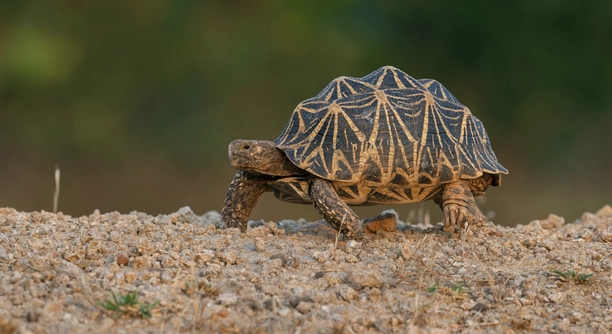
Are you planning to add an Indian star tortoise to your collection but feel unsure about the best way to introduce it?
Introducing a new Indian star tortoise requires careful preparation, proper quarantine, and gradual acclimation. Ensuring a stress-free environment, monitoring health, and providing the right diet are essential steps to help your tortoise adjust successfully.
From habitat setup to socialization, each step plays a role in making the transition smoother. Learning the proper methods will help you create a comfortable and safe space for your new tortoise.
Prepare a Proper Habitat
Creating the right habitat is essential for your Indian star tortoise. Start with a spacious enclosure that mimics its natural environment. Use a substrate like coconut coir or cypress mulch to maintain proper humidity. A temperature gradient between 75–90°F is ideal, with a basking spot reaching 95°F. Provide a UVB light to support shell and bone health. Include hiding spots and a shallow water dish for hydration. Keep the enclosure clean by removing waste daily and changing the substrate regularly. A well-maintained habitat helps reduce stress and supports overall health.
A comfortable setup encourages natural behaviors. Your tortoise will feel more secure and adapt more easily to its new surroundings. Maintaining proper humidity between 60–80% is important, as Indian star tortoises are sensitive to dry conditions.
Proper ventilation prevents respiratory issues, while a stable temperature ensures comfort. Observing your tortoise’s behavior can help you make adjustments if needed.
Quarantine and Health Check
Before introducing your new tortoise to others, quarantine it for at least 30 days. This prevents potential disease transmission and allows time for observation. Keep the tortoise in a separate enclosure and monitor its appetite, activity, and shell condition.
During this period, schedule a vet check to ensure your tortoise is healthy. A professional can check for parasites, respiratory infections, or other health concerns. Look for signs of illness like nasal discharge, swollen eyes, or unusual stool. If anything seems off, follow the vet’s advice for treatment. Feed a balanced diet of leafy greens, vegetables, and calcium supplements to support a strong immune system.
Once the quarantine period is over and your tortoise is healthy, you can gradually introduce it to other tortoises. A slow introduction reduces stress and helps prevent aggressive behavior. Taking the right precautions ensures a smooth transition.
Gradual Introduction to Other Tortoises
Keep the new tortoise separate but within view of the others. This allows them to become familiar without direct contact. Observe their behavior for signs of stress or aggression. A slow introduction helps prevent territorial disputes and ensures a smoother transition.
After a few days, allow short, supervised interactions in a neutral space. Watch for head bobbing, nudging, or chasing, which can indicate dominance behavior. If aggression occurs, separate them and try again later. Keep these sessions brief and gradually extend the time as they become comfortable. Each tortoise adjusts differently, so be patient and move at their pace.
A harmonious group takes time to establish. Provide multiple hiding spots and feeding areas to reduce competition. If conflicts persist, consider keeping the new tortoise in a separate enclosure. A careful introduction process helps create a peaceful environment for all tortoises.
Establishing a Consistent Feeding Routine
Feed your tortoise at the same time each day to create a routine. A predictable schedule helps reduce stress and encourages healthy eating habits. Offer a variety of leafy greens, vegetables, and occasional fruits to ensure balanced nutrition. Provide fresh water daily in a shallow dish.
Calcium and vitamin D3 supplements are essential for shell and bone health. Sprinkle calcium powder on food a few times a week. Avoid high-protein foods, as they can lead to shell deformities. Monitor your tortoise’s weight and appetite to ensure it is eating properly. If it refuses food for several days, check for signs of illness or environmental stress.
A calm feeding environment helps prevent competition if you have multiple tortoises. Space out food portions to allow each tortoise to eat peacefully. Keeping a close eye on eating habits ensures they get the nutrients needed for growth and overall health.
Monitoring Behavior and Health
Watch for signs of stress, such as hiding for long periods, loss of appetite, or excessive pacing. A healthy tortoise should be active, alert, and have clear eyes. Any unusual behavior may indicate illness or discomfort, requiring adjustments to the habitat or a vet visit.
Check the shell regularly for cracks, softness, or discoloration. Respiratory issues can be spotted by wheezing or nasal discharge. Keep track of weight changes, as sudden loss can signal health problems. Routine observation ensures early detection of issues and helps maintain a thriving tortoise.
Maintaining Proper Hydration
Provide a shallow water dish with fresh water daily. Indian star tortoises absorb moisture through soaking, which helps with hydration and shedding. Regular soaks in lukewarm water for 15–20 minutes a few times a week can prevent dehydration and keep the shell in good condition.
Handling with Care
Limit handling to reduce stress. When necessary, support the tortoise’s body with both hands, keeping movements gentle and steady. Avoid sudden motions, as they can cause fear. A calm approach helps the tortoise feel secure and comfortable in its environment.
FAQ
How long does it take for an Indian star tortoise to adjust to a new environment?
It usually takes a few weeks for a tortoise to fully adjust. Some may settle in within days, while others need more time. Keeping stress levels low, maintaining a stable environment, and offering a proper diet help speed up the adjustment process. Patience is key.
Can Indian star tortoises live with other tortoise species?
It is not recommended to house them with different species. Each tortoise has unique environmental and dietary needs. Mixing species can lead to stress, aggression, or disease transmission. If housing multiple tortoises, ensure they are the same species and have enough space to avoid conflicts.
What should I do if my tortoise refuses to eat?
First, check the temperature and humidity in the enclosure, as improper conditions can reduce appetite. Ensure the diet is varied and fresh. If the tortoise hasn’t eaten for several days, monitor for other signs of illness like lethargy or weight loss. A vet visit may be necessary.
How often should I soak my Indian star tortoise?
Soak hatchlings daily for about 10–15 minutes to prevent dehydration. Adult tortoises should be soaked two to three times a week for 15–20 minutes. Regular soaks help with hydration, digestion, and shedding. Always use lukewarm water and dry the tortoise gently afterward.
Do Indian star tortoises need UVB lighting?
Yes, UVB light is essential for their health. It helps them synthesize vitamin D3, which is necessary for calcium absorption and strong shell development. Without it, they can develop metabolic bone disease. Provide a high-quality UVB bulb and replace it every six months for effectiveness.
What is the ideal diet for an Indian star tortoise?
Their diet should consist mainly of leafy greens like collard greens, mustard greens, and dandelion leaves. Small amounts of vegetables and occasional fruits can be added. Avoid high-protein foods and excessive fruits, as they can cause digestive issues and shell deformities over time.
How can I tell if my tortoise is stressed?
Signs of stress include hiding excessively, refusing food, pacing, or attempting to climb enclosure walls. A stressed tortoise may also become less active or show aggressive behavior toward others. Ensuring a quiet, stable environment with proper care helps reduce stress levels.
Is it normal for a tortoise to sleep a lot?
Indian star tortoises are naturally less active than other species, but excessive sleeping can indicate a problem. If the enclosure is too cold, the tortoise may become sluggish. Check the temperature and humidity levels to ensure they are in the correct range.
How can I safely introduce my new tortoise to others?
Start with visual introductions by keeping them in separate enclosures within sight of each other. After a few days, allow short, supervised interactions in a neutral area. Watch for aggressive behavior, such as biting or headbutting. If conflicts arise, separate them and try again later.
Why is my tortoise digging?
Digging is a natural behavior. Tortoises may dig to regulate their body temperature, create a hiding spot, or prepare for laying eggs. If the digging seems excessive, check if the enclosure provides enough hiding places and a proper temperature gradient.
What should I do if my tortoise’s shell looks dry or flaky?
Dry or flaky shells can be a sign of low humidity or dehydration. Increase humidity levels in the enclosure and offer more frequent soaks. Providing a balanced diet with calcium and proper hydration helps maintain a healthy, smooth shell.
Can I handle my tortoise often?
Limit handling to necessary situations, as Indian star tortoises can become stressed when handled too much. If you do need to pick it up, support its body with both hands and move slowly. Keeping handling to a minimum helps your tortoise feel more secure.
What temperature should the enclosure be at night?
At night, temperatures can safely drop to around 70–75°F. Avoid letting it fall below 65°F, as prolonged cold exposure can weaken the immune system. If necessary, use a ceramic heat emitter to maintain a stable nighttime temperature without disrupting sleep cycles.
How do I prevent respiratory infections in my tortoise?
Maintaining proper humidity and temperature is crucial. Low temperatures or drafts can lead to respiratory infections. Signs include wheezing, nasal discharge, and lethargy. If symptoms appear, adjust the enclosure’s conditions and seek veterinary care if needed. A warm, stable environment helps prevent infections.
Can I let my tortoise roam outside?
Yes, but only in a secure, enclosed area with proper shade and no potential predators. Outdoor time provides natural sunlight and exercise. Always supervise to prevent escape or injury. Avoid letting them roam on chemically treated grass, as it can be harmful if ingested.
Why is my tortoise making hissing sounds?
Hissing is usually caused by a tortoise retracting into its shell quickly, forcing air out. This is a normal reaction when startled. However, if hissing is frequent and accompanied by breathing difficulties, it may indicate a respiratory issue requiring veterinary attention.
How do I clean my tortoise’s enclosure?
Remove waste and uneaten food daily to maintain cleanliness. Change the substrate regularly and disinfect the enclosure every few weeks using a reptile-safe cleaner. Keeping the habitat clean prevents bacterial growth and reduces the risk of illness.
What are common health issues in Indian star tortoises?
Common health issues include respiratory infections, shell rot, parasites, and metabolic bone disease. These can often be prevented with proper diet, hygiene, and temperature control. Regular vet checkups help detect problems early and keep your tortoise in good health.
Final Thoughts
Introducing an Indian star tortoise to your collection requires patience and proper care. Taking the time to set up a suitable habitat, follow quarantine protocols, and monitor behavior ensures a smooth transition. A well-maintained environment with the right temperature, humidity, and lighting supports the tortoise’s health and comfort. Gradual introductions to other tortoises help reduce stress and prevent aggression. Observing your tortoise daily allows you to detect any signs of illness or discomfort early. Providing fresh food, clean water, and regular soaks keeps your tortoise hydrated and well-nourished. A consistent routine helps them feel safe and adapt more easily to their new home.
Caring for an Indian star tortoise is a long-term commitment. These tortoises can live for several decades, requiring dedicated care throughout their lives. A proper diet with calcium and UVB exposure ensures strong bones and shell development. Keeping their enclosure clean and free from waste prevents bacterial infections and other health issues. Limiting handling helps them feel secure, as excessive interaction can cause stress. Regular vet checkups are essential to ensure they remain healthy. If any health concerns arise, addressing them quickly can prevent further complications. Understanding their behaviors and needs will allow you to create a stable and enriching environment.
Every tortoise is unique, and some may take longer to adjust than others. Paying attention to their preferences and behaviors will help you provide the best care possible. Over time, you will become familiar with their habits and recognize what makes them comfortable. Small adjustments in their enclosure, diet, or routine can make a big difference in their well-being. With the right approach, your Indian star tortoise will thrive and become a wonderful part of your collection. Taking the time to care for them properly ensures they live a healthy and fulfilling life.

Hello,
If you enjoy the content that we create, please consider saying a "Thank You!" by leaving a tip.
Every little bit helps us continue crafting quality advice that supports the health, happiness, and well-being of pets around the world, for pets of all shapes, sizes, and species.
We really appreciate the kindness and support that you show us!