
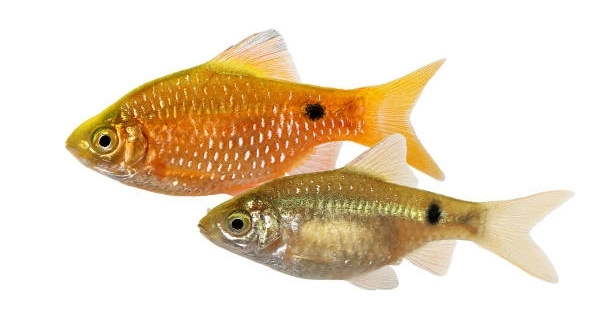
Rosy barbs are popular freshwater fish that need good water conditions to thrive. Proper care of their tank environment helps keep them healthy and vibrant. Improving water quality is a key part of responsible fishkeeping.
Maintaining optimal water conditions for rosy barbs involves regular testing, controlled temperature, proper filtration, and consistent water changes. These steps reduce harmful substances, balance pH levels, and provide a stable habitat essential for their well-being and longevity.
Understanding these simple but important measures will help you support your rosy barbs’ health and enjoy a more vibrant aquarium environment.
Testing Water Quality Regularly
Testing the water regularly is essential for keeping rosy barbs healthy. You need to check parameters like ammonia, nitrite, nitrate, and pH levels often. Ammonia and nitrite are harmful even in small amounts and can stress or poison your fish. Nitrate is less toxic but should still be kept low. A stable pH that matches the fish’s needs is important to prevent stress. Many testing kits are available and easy to use at home. Keeping a log of the results helps track any changes over time. If you notice levels outside the safe range, act quickly to fix the problem with water changes or adjustments. Ignoring water testing can lead to illness and poor fish behavior, making regular checks a vital part of care.
Using a simple test kit weekly can prevent many common water issues. It’s a small effort that makes a big difference.
Monitoring water quality closely allows early detection of problems. This helps maintain a healthy tank environment where your rosy barbs can thrive and avoid unnecessary stress or disease.
Controlling Temperature for Optimal Health
Rosy barbs do best in water temperatures between 74°F and 79°F. Consistent temperature is crucial since sudden changes can shock the fish and weaken their immune system. Use a reliable aquarium heater and thermometer to keep the temperature steady. Avoid placing the tank near windows or air vents where temperature may fluctuate. If the water gets too cold or too warm, it can slow metabolism or cause stress. This can affect their color, appetite, and activity. By keeping the temperature stable, you ensure your rosy barbs remain active and healthy.
When adjusting temperature, make changes gradually to avoid stressing the fish.
Temperature control is not just about maintaining a number; it impacts fish behavior and health directly. A steady temperature prevents many common illnesses and keeps rosy barbs comfortable in their home. Check your equipment regularly to ensure it is functioning well. Remember that even small fluctuations can have negative effects, so consistent monitoring is key. If your tank is in a room with varying temperatures, consider adding insulation or moving it to a more stable environment. With proper temperature care, your rosy barbs will display their best colors and remain lively. This simple step supports their overall well-being and makes your aquarium more enjoyable to watch.
Proper Filtration System
A good filtration system removes waste and toxins from the water, keeping it clean and safe. It also helps maintain oxygen levels and water circulation, which are vital for rosy barbs’ health.
Choosing the right filter depends on your tank size and fish population. A filter that is too small will not clean the water effectively, while one too strong may stress the fish with excessive current. Biological filtration is important because it supports beneficial bacteria that break down harmful ammonia and nitrites. Mechanical filtration traps debris, and chemical filtration removes impurities like chlorine. Regular filter maintenance, including rinsing filter media in tank water, prevents buildup that reduces effectiveness. Skipping maintenance can cause water quality to decline rapidly.
A properly maintained filtration system creates a stable environment that reduces stress and illness. It supports natural processes that keep water parameters balanced and your rosy barbs healthy and active.
Consistent Water Changes
Changing a portion of the water regularly is necessary to remove accumulated toxins and replenish minerals. Weekly water changes of 20-30% keep the environment fresh and balanced for rosy barbs.
Freshwater fish produce waste that dissolves into the water, raising nitrate levels over time. Even the best filtration can’t remove all these wastes, so water changes are essential. Using dechlorinated water at the correct temperature prevents shock. Avoid changing too much water at once, as this can cause sudden shifts in water chemistry that stress the fish. Consistency is key to maintaining stable conditions. Record the schedule to keep track of changes and avoid missed cleanings. Using a gravel vacuum during changes also removes debris from the substrate, improving tank cleanliness.
Consistent water changes support healthy fish by reducing harmful chemicals and keeping the tank environment stable. This simple habit greatly enhances your rosy barbs’ comfort and longevity.
Avoid Overfeeding
Overfeeding leads to leftover food that pollutes the water. Feeding only what rosy barbs can eat within a few minutes helps keep the tank clean.
Excess food decomposes and raises ammonia and nitrate levels. This can harm fish health and water quality. A balanced feeding routine prevents this problem.
Maintain Proper Tank Size
A spacious tank prevents overcrowding and stress. Rosy barbs need at least 20 gallons to swim freely and grow properly.
Crowded conditions increase waste and lower water quality, making filtration and maintenance harder. Proper space supports healthier, more active fish.
Use Live Plants
Live plants absorb nitrates and provide shelter. They contribute to natural filtration and create a comfortable environment for rosy barbs.
FAQ
How often should I test the water for my rosy barbs?
Testing water once a week is usually enough for a healthy, established tank. More frequent testing may be needed if problems arise or after adding new fish. Regular tests help catch issues early before they affect your fish’s health.
What is the ideal pH level for rosy barbs?
Rosy barbs thrive in slightly alkaline water, with a pH between 6.8 and 7.8. Maintaining stable pH within this range helps reduce stress and supports their immune system.
Can I use tap water for water changes?
Tap water is fine if treated with a water conditioner to remove chlorine and chloramine. Letting tap water sit out is not enough, as these chemicals evaporate slowly and can harm fish.
How much water should I change each week?
Changing 20-30% of the tank water weekly is recommended. This amount balances removing waste without causing sudden shifts in water chemistry that can stress fish.
What type of filter is best for rosy barb tanks?
A filter with mechanical, chemical, and biological stages is ideal. It should be rated for your tank size and provide gentle water flow, as strong currents can stress rosy barbs.
Why are my rosy barbs losing color?
Loss of color can result from poor water quality, stress, inadequate diet, or illness. Ensuring clean water, stable conditions, and proper nutrition usually restores their vibrant color.
How many rosy barbs should I keep together?
Rosy barbs are schooling fish and should be kept in groups of at least five. Small groups can become shy or stressed, affecting their health and behavior.
Is it necessary to add live plants to the tank?
Live plants are beneficial but not required. They improve water quality by absorbing nitrates and provide hiding spots, reducing stress. If you prefer artificial plants, ensure they are safe and easy to clean.
What temperature is too high or too low for rosy barbs?
Temperatures below 68°F or above 82°F can stress rosy barbs. Consistently staying within 74°F to 79°F promotes good health and activity.
Can I use tap water directly if I have a good filter?
No, filters do not remove chlorine or chloramine, which are harmful to fish. Always treat tap water with a conditioner before adding it to the tank.
How do I prevent algae growth in my tank?
Regular water changes, controlling light exposure, and avoiding overfeeding help limit algae. Live plants can compete with algae for nutrients, reducing its growth naturally.
What should I feed rosy barbs to keep them healthy?
Feed a balanced diet of high-quality flakes or pellets designed for tropical fish, supplemented occasionally with live or frozen foods like brine shrimp or bloodworms.
How can I tell if my fish are stressed?
Signs include faded color, hiding, erratic swimming, or loss of appetite. Poor water conditions, temperature changes, or overcrowding often cause stress.
How important is tank cleaning beyond water changes?
Cleaning the substrate and removing debris helps prevent buildup of harmful substances. Using a gravel vacuum during water changes keeps the tank healthier.
What is the best way to introduce new fish to the tank?
Acclimate new fish by slowly mixing tank water into their transport water over 30 minutes to reduce shock. Quarantine new fish separately before adding them to avoid spreading diseases.
Final Thoughts
Taking good care of rosy barbs means paying close attention to their water conditions. These fish are sensitive to changes in their environment, so keeping water clean and stable is very important. Regular testing of water parameters like ammonia, nitrite, nitrate, and pH helps catch problems early. It also allows for timely corrections that protect the fish from stress and illness. Alongside testing, maintaining a proper filtration system and doing regular water changes are key actions to keep the tank healthy. These steps work together to create a balanced environment where rosy barbs can live comfortably and show their best colors.
Temperature control is another essential factor in caring for rosy barbs. Keeping the water between 74°F and 79°F supports their metabolism and overall well-being. Sudden temperature changes or extreme temperatures can weaken their immune system and cause stress. Using a reliable heater and thermometer ensures the temperature stays steady. Avoid placing the tank in spots where the temperature may fluctuate, such as near windows or air vents. Consistent care in this area helps prevent common health problems and encourages active, lively behavior from your fish.
Other important habits include feeding the right amount and providing enough space. Overfeeding pollutes the water and causes spikes in harmful chemicals. Feeding only what the fish can consume in a few minutes helps maintain water quality. Additionally, rosy barbs need enough room to swim freely, so a tank of at least 20 gallons is recommended. Providing live plants can further improve water quality and reduce stress by offering hiding spots. These small but crucial steps combine to support the long-term health and happiness of rosy barbs in your aquarium. Following these guidelines will make caring for rosy barbs a straightforward and rewarding experience.

Hello,
If you enjoy the content that we create, please consider saying a "Thank You!" by leaving a tip.
Every little bit helps us continue crafting quality advice that supports the health, happiness, and well-being of pets around the world, for pets of all shapes, sizes, and species.
We really appreciate the kindness and support that you show us!