
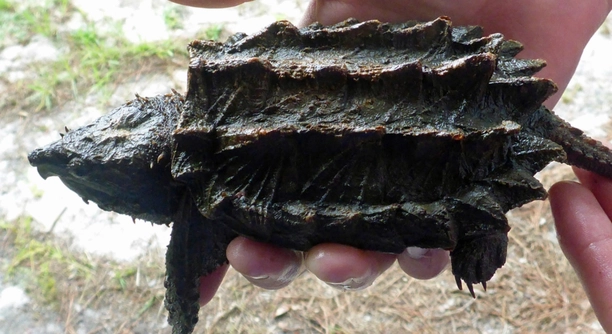
Alligator snapping turtles are fascinating creatures, but they can sometimes become injured due to accidents or environmental factors. If you find one in need of help, it’s important to understand how to assist in its recovery.
To help an injured alligator snapping turtle recover, ensure it receives proper care through a combination of rest, a safe environment, appropriate feeding, and possibly medical attention. Follow a step-by-step approach to ensure the turtle’s healing process is smooth and successful.
Proper recovery steps can make a huge difference in your turtle’s well-being. Taking the right measures early on will support their health and improve the chances of a full recovery.
Step 1: Secure the Turtle in a Safe Space
When you find an injured alligator snapping turtle, the first thing to do is to ensure it’s in a safe environment. Place it in a secure area away from other animals and distractions. A large container or a small enclosure with soft bedding is ideal to avoid further stress. Make sure the space is warm enough to prevent the turtle from getting too cold, but not so hot that it causes more harm. The goal is to minimize stress while offering protection and comfort during the recovery process. This environment will allow the turtle to rest without interference, helping it heal naturally.
Once you’ve set up the space, avoid handling the turtle more than necessary. This gives it time to adjust and begin its healing process. Keep the area clean and free from any sharp objects that could cause more injuries. It’s important to give the turtle a peaceful, quiet environment for proper healing.
Step 2: Assess the Severity of the Injury
If the injury seems serious, you’ll need to carefully evaluate it. Look for visible signs of wounds, fractures, or abnormal behavior. Minor cuts or scrapes may heal with time, but broken limbs or severe damage need medical attention.
In cases of serious injury, seek immediate help from a veterinarian experienced with reptiles. They can provide proper medical treatment, including stitches, splints, or pain relief. Turtles are resilient, but they can’t heal from serious injuries on their own without professional care. Early intervention is key to improving their chances of recovery.
Step 3: Keep the Turtle Hydrated and Well-Fed
A well-balanced diet and hydration are crucial to the turtle’s recovery. Offer water regularly to ensure it stays hydrated, as dehydration can delay healing. For feeding, offer high-protein food like worms, fish, or pellets designed for aquatic reptiles. Make sure the food is soft enough for the turtle to consume easily if it has any mouth or jaw injuries. Fresh water is essential for digestion and general health, so be sure to provide clean, fresh water daily.
Monitor the turtle’s food intake to ensure it is eating enough. If the turtle isn’t eating, try offering different types of food or breaking it into smaller pieces. A healthy diet will speed up the recovery process and strengthen its immune system. If the turtle seems weak or refuses to eat for several days, consult a veterinarian for guidance. Healthy nutrition plays a major role in the healing process, so don’t overlook this step.
Step 4: Maintain the Right Temperature
Temperature plays a significant role in a turtle’s recovery. Alligator snapping turtles are cold-blooded and rely on their environment to regulate their body temperature. Ensure the recovery space has a heat source, such as a heat lamp or heat pad, to maintain a temperature of around 75-85°F (24-29°C). Too cold of an environment will cause the turtle to slow down, affecting its healing process.
It’s important not to make the environment too hot either. Excessive heat can cause stress and dehydration, which can be harmful. Make sure the turtle has access to cooler areas within its enclosure to regulate its body temperature. If necessary, adjust the heat source and monitor the temperature regularly to keep it stable. A consistent, comfortable temperature will help the turtle recover quickly and stay healthy.
Step 5: Limit Movement and Allow for Rest
Minimize the turtle’s movement to prevent further strain on any injuries. If the turtle is active, it may make the injury worse or delay healing. Keep the turtle in a calm environment and avoid unnecessary handling. Allow it plenty of time to rest without disturbances.
Ensure the space isn’t too large, as the turtle may try to move around too much. If necessary, consider isolating it further to restrict its activity. The more it rests, the better it can focus on healing.
Step 6: Monitor for Infection or Complications
Check the turtle daily for signs of infection, such as swelling, redness, or discharge from any wounds. If the injury appears infected, it’s important to clean it gently with antiseptic and apply any necessary treatments. If there’s no improvement, consult a veterinarian for more specialized care.
Sometimes, injuries can lead to internal damage that isn’t visible at first. Watch for signs of abnormal behavior like lethargy, lack of appetite, or difficulty moving. These could indicate complications that need immediate attention. Always take these signs seriously to avoid further harm.
Step 7: Gradually Reintroduce the Turtle to Its Habitat
Once the turtle shows signs of recovery, you can start reintroducing it to its natural environment. Begin by offering small, supervised periods of time outside the enclosure. Observe how it reacts to ensure it can move properly and comfortably without further strain on its injury.
FAQ
What should I do if the alligator snapping turtle isn’t eating?
If the turtle isn’t eating, first check its environment. Ensure the temperature is right and the space is calm. A stressed or uncomfortable turtle might refuse food. Offer different types of food, like small fish, worms, or soft pellets, and make sure they’re easy to eat. If it still doesn’t eat, consult a vet. There could be an underlying issue, like a mouth injury, or the turtle could be too stressed. In some cases, hydration or a change in diet can help spark its appetite. Don’t wait too long before seeking help.
Can I give an injured alligator snapping turtle medicine?
It’s important not to administer any medicine without professional advice. Only a veterinarian experienced with reptiles should prescribe medication for an alligator snapping turtle. Some medications may not be suitable for their species, and incorrect dosages could do more harm than good. If you think the turtle needs medicine, take it to a vet who can recommend the right treatment. Never give over-the-counter medicine made for other animals, as it can be toxic.
How can I tell if the injury is serious?
Look for visible signs of trauma like deep cuts, swelling, or unusual positioning of limbs. If the turtle is bleeding heavily, or if it seems unable to move one or more limbs, the injury may be serious. Excessive lethargy, labored breathing, or signs of infection (redness, discharge) are also indicators that the injury is more severe. When in doubt, always seek veterinary help. A professional can evaluate the injury and determine whether it requires urgent treatment.
Should I attempt to clean the wound?
If the injury is minor, you can clean it carefully with a mild antiseptic designed for reptiles. Use a soft cloth or cotton ball and gently wipe the wound to remove dirt or debris. For more serious injuries, especially if there is significant bleeding or infection, it’s best to leave the cleaning to a vet. Inappropriate cleaning can worsen the injury or introduce new bacteria. If you’re unsure, contact a vet before attempting any treatment on your own.
How long will it take for the turtle to recover?
The recovery time depends on the severity of the injury. Minor wounds or scratches can heal in a few weeks, while more serious injuries like fractures or infections may take months. It’s important to follow the steps for proper care and monitor the turtle closely. If the turtle isn’t showing improvement after a couple of weeks, it may need a vet’s help to further assess its condition. The more promptly you care for the injury, the faster the recovery process will likely be.
Can I keep the turtle outside during recovery?
It’s best to keep the turtle inside during recovery to control the environment, including temperature and humidity. Keeping it outside could expose it to additional risks, such as predators, parasites, or extreme weather. Once the turtle has fully healed and you’re ready to reintroduce it to its habitat, you can gradually move it back outside. During recovery, it should be in a controlled, safe space where it can rest without interruptions.
How can I prevent future injuries?
To prevent future injuries, make sure the turtle’s enclosure is safe and free from sharp objects or hazards that could cause harm. If you’re keeping it outside, ensure it’s in an area with proper fencing and no risk of predators. Always monitor the turtle during feeding and bathing sessions to prevent accidents. Regularly check its habitat for safety and cleanliness. If you have other pets, keep them separate to avoid stress or injury to the turtle.
Is it okay to handle the turtle during recovery?
During recovery, it’s best to handle the turtle as little as possible. Excessive handling can stress the turtle and interfere with the healing process. Only handle the turtle when necessary, such as for medical treatment or to move it to a different location for safety. If you do need to handle it, be gentle and avoid putting any pressure on the injured areas.
What type of food is best for an injured alligator snapping turtle?
For an injured alligator snapping turtle, provide a diet that’s easy to eat and high in protein. Offer small fish, worms, or soft pellets made for aquatic reptiles. Avoid hard foods that may be difficult for the turtle to chew, especially if it has a mouth injury. Offering food that’s cut into smaller pieces can help it eat more easily. If the turtle refuses food, try different options or ask a vet for feeding advice tailored to its specific injury.
When should I seek veterinary care for my turtle?
Seek veterinary care immediately if the turtle has a serious injury, such as a broken limb, deep wound, or signs of severe infection. If the turtle is not eating for several days, showing signs of weakness, or not moving properly, it’s a good idea to consult a vet. Prompt professional care can make a big difference in the turtle’s recovery. Don’t wait for the injury to worsen before seeking help—early intervention leads to better outcomes.
Final Thoughts
Helping an injured alligator snapping turtle requires attention to detail and patience. These reptiles are resilient, but they need a safe environment and proper care to recover fully. By providing a quiet, clean space, monitoring their food and water intake, and ensuring the right temperature, you can give the turtle the best chance at healing. Each step, from minimizing movement to addressing potential infections, plays a part in the recovery process. It’s important to stay calm and thoughtful throughout the healing period, as stress can slow recovery or even worsen injuries.
Though caring for an injured turtle can be challenging, it’s also rewarding. If you notice any signs of trouble, such as lack of appetite or abnormal behavior, don’t hesitate to seek help from a veterinarian. They can provide the necessary medical treatment and guide you through any concerns. Remember, each turtle is different, and their recovery time will vary depending on the severity of the injury. Keeping track of their progress and making adjustments to their care as needed will support their healing process.
While it may take time for the turtle to fully recover, following these steps can help ensure that it heals in the best possible way. By being consistent and careful, you contribute to the turtle’s well-being and provide it with the best chance for a healthy life post-injury. Ultimately, your patience and dedication will make a significant difference in the turtle’s recovery, and once it is fully healed, it can return to its natural habitat, free of the injuries it once suffered.

Hello,
If you enjoy the content that we create, please consider saying a "Thank You!" by leaving a tip.
Every little bit helps us continue crafting quality advice that supports the health, happiness, and well-being of pets around the world, for pets of all shapes, sizes, and species.
We really appreciate the kindness and support that you show us!