
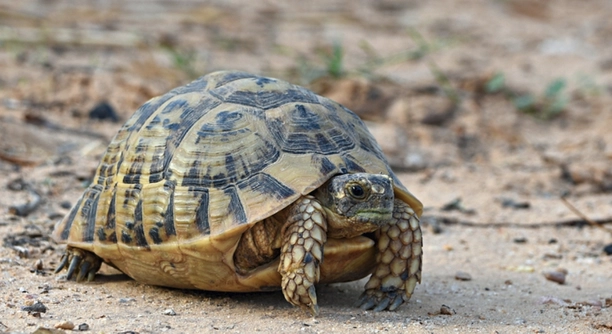
A Greek tortoise’s shedding process is essential to its health and well-being. Knowing the right steps can help ensure your pet sheds properly and stays comfortable throughout the change. This process requires attention and patience.
To help a Greek tortoise shed properly, start by providing a proper diet, maintaining optimal humidity, and ensuring access to UVB light. Regularly bathing your tortoise, offering scratching surfaces, and handling it gently can further support healthy shedding.
By following these steps, your tortoise will shed effectively and remain in optimal health. Let’s explore how you can make this process smooth for your pet.
Proper Diet for Healthy Shedding
A balanced diet is key to a Greek tortoise’s overall health, including proper shedding. The right food helps keep your tortoise’s shell and skin in good condition. A diet rich in fiber from leafy greens, such as dandelion greens, clover, and collard greens, is essential. You can also supplement their diet with some fruits, but avoid high-sugar options. Calcium and vitamin D3 are crucial for shell growth and overall well-being. If your tortoise isn’t getting enough calcium from its food, consider adding a calcium supplement to its diet.
Feeding your Greek tortoise properly can have a direct impact on its shedding process. A well-fed tortoise sheds more efficiently, with fewer issues such as retained scutes. Providing fresh, varied foods will also ensure your pet stays hydrated. Hydration is important for softening the shed and preventing dryness.
Incorporating a proper diet into your tortoise’s routine will also ensure that it receives all the necessary nutrients for long-term health. This is a simple and effective step in maintaining your tortoise’s overall well-being.
Humidity and Temperature Control
Humidity plays a big role in the shedding process.
Proper humidity levels help keep the skin soft and make it easier for your tortoise to shed. Aim for a humidity level of around 50-70%. Ensure that there is a basking spot with a temperature of 85-90°F. This helps your tortoise regulate its body temperature and aids in the shedding process.
Keeping your tortoise’s environment stable, with the right humidity and temperature, encourages healthy shedding. Sudden changes in their habitat could cause stress, leading to incomplete or slow shedding. Make sure their habitat is well-maintained, with easy access to a humid hide and basking spots.
Bathing Your Tortoise
Bathing your Greek tortoise regularly helps keep it hydrated and softens its skin, making shedding easier.
Fill a shallow container with warm water, just enough for your tortoise to walk through. This encourages it to drink, helping with hydration. Keep the water temperature around 80°F to avoid stressing the tortoise. Bathing also provides gentle exfoliation to remove dead skin and scutes. Make sure to dry the tortoise afterward with a soft towel.
Regular baths support the shedding process and ensure your tortoise stays healthy. This simple practice is easy to include in its care routine and can be beneficial year-round, especially during shedding periods. Bathing can also help with hydration if your tortoise isn’t drinking enough water from its food.
Scratching Surfaces
Providing scratching surfaces is vital for shedding. These surfaces help your tortoise shed the old skin by naturally rubbing against them.
Use materials like rough stones, logs, or a dry sponge placed within the tortoise’s enclosure. They help to gently remove loose skin and stimulate the shedding process. When your tortoise moves around and interacts with its environment, these surfaces can make a noticeable difference. Be sure to check for rough spots that may cause injury, though, as too much abrasion can irritate the skin.
Scratching surfaces are simple but effective tools in promoting healthy shedding. When your tortoise has access to appropriate surfaces, it allows them to shed more naturally without causing stress. Regularly inspect the scratching surfaces for cleanliness and safety to maintain a healthy environment.
Handling Your Tortoise Gently
Gentle handling is essential during the shedding process. Overly rough handling can cause stress, making shedding more difficult.
Handle your tortoise calmly and avoid sudden movements. The more relaxed it feels, the easier the shedding process will be. Gently support its body without squeezing. Keep handling sessions brief and avoid forcing it to interact if it seems uncomfortable.
By maintaining a calm and gentle touch, your tortoise will feel secure during the shedding process. Over time, this will help it shed properly without added stress.
UVB Light Exposure
UVB light plays a crucial role in your tortoise’s overall health and shedding process.
Ensure your tortoise has access to UVB light for 10-12 hours daily. This helps it absorb essential vitamin D3, which supports calcium metabolism and shell health. Without proper UVB exposure, your tortoise’s shedding may be delayed or incomplete. Regular access to UVB also prevents shell issues.
Regular Health Checks
Regular health checks will help you spot potential problems during shedding.
Ensure your tortoise is not showing signs of illness, such as lethargy, swollen limbs, or shell abnormalities. Early detection of any issues can prevent prolonged shedding problems. Check for signs of retained scutes or skin, as these can indicate underlying health issues.
FAQ
How do I know if my Greek tortoise is shedding properly?
If your Greek tortoise is shedding properly, you’ll see old skin or scutes coming off in small pieces. The shed should be gradual, with the skin remaining soft and not too dry. Healthy shedding also includes a clear, smooth shell underneath, with no signs of injury. If your tortoise is rubbing itself against objects to remove the skin, this is a good sign. However, if you notice large patches of stuck skin, or the tortoise is struggling to shed, you may need to adjust its environment or care routine.
What should I do if my tortoise’s skin isn’t shedding properly?
If your tortoise’s skin isn’t shedding properly, you may need to adjust the humidity in its enclosure. Ensure the humidity is around 50-70%. Dry, flaky skin or stuck scutes can be a sign of low humidity or dehydration. You can try giving your tortoise more frequent baths to help loosen the skin. If problems persist, it’s best to consult a vet to rule out any underlying health issues, such as fungal infections or metabolic bone disease.
Can I use a humidifier for my tortoise?
Yes, a humidifier can help maintain the right humidity level in your tortoise’s enclosure. It is particularly useful if you live in a dry climate. Keep the humidity between 50-70% for optimal shedding. A humidifier ensures that the tortoise’s environment stays consistent and reduces the risk of dry skin or retained scutes. Make sure the enclosure is well-ventilated to prevent the growth of mold.
How often should I bathe my Greek tortoise?
Bathing your Greek tortoise once or twice a week is usually sufficient, especially if it is shedding. However, you can bathe it more frequently if the tortoise is having trouble shedding. Use warm water and make sure to dry the tortoise afterward with a towel. Bathing helps keep the tortoise hydrated and softens the skin, making it easier to shed. Always ensure the water temperature is comfortable for your pet—around 80°F is ideal.
Can my Greek tortoise shed in pieces?
Yes, it’s normal for a Greek tortoise to shed in pieces rather than in one whole piece. The shedding process is gradual, with scutes or skin coming off in small sections. If the shedding is occurring in large, irregular pieces, or if parts of the shell are left behind, this could be a sign of a problem. You can help by providing a suitable environment with proper humidity and UVB light.
What should I do if my tortoise has retained scutes?
Retained scutes are a common issue in tortoises, especially if they don’t shed properly. If you notice scutes that haven’t come off after a shedding cycle, you can try increasing the humidity or providing more frequent baths. Sometimes, gently rubbing the scutes with a soft toothbrush can help, but be careful not to damage the shell. If the scutes remain stuck or there are signs of infection, consult a vet for professional help.
Is it normal for my Greek tortoise to eat less during shedding?
Yes, it’s common for tortoises to eat less during shedding periods. Shedding can be uncomfortable or even stressful, and it may affect your tortoise’s appetite. However, as long as your tortoise is drinking water and staying hydrated, it should recover its appetite once the shedding is complete. If the reduced appetite continues for an extended period, or if your tortoise shows other signs of illness, it’s important to seek veterinary advice.
How can I prevent shell damage during shedding?
Preventing shell damage starts with a healthy diet and proper humidity levels. Ensure your tortoise gets enough calcium and vitamin D3 to maintain strong, healthy shells. Providing proper UVB light also supports shell health. Additionally, offering rough surfaces for your tortoise to rub against during shedding can help the process, reducing the risk of injury. Avoid handling your tortoise roughly, as this can lead to stress and potential shell damage.
What can I do if my tortoise is rubbing excessively during shedding?
Excessive rubbing during shedding is a sign that your tortoise is trying to remove its old skin. While this is natural, if the rubbing becomes too frequent or aggressive, it could lead to irritation or injury. Ensure that your tortoise has access to rough surfaces that can help it shed naturally. You may also want to bathe your tortoise more frequently or adjust the humidity in its environment. If the rubbing persists, consider consulting a vet to ensure everything is on track.
Can I handle my tortoise while it’s shedding?
It’s best to handle your tortoise gently during shedding periods. While some handling is fine, it’s important not to stress the tortoise out. Overhandling can cause unnecessary stress, which may make shedding harder. Keep handling sessions short and calm, and avoid forcing your tortoise to interact if it seems uncomfortable. The more relaxed the tortoise is, the easier the shedding process will be.
Final Thoughts
Shedding is a natural part of a Greek tortoise’s life cycle, and with the right care, it can be a smooth process. Ensuring that your tortoise has a proper environment with appropriate humidity, temperature, and UVB light is essential for healthy shedding. Without these factors, the shedding process can become problematic, leading to skin issues or incomplete shedding. It’s important to regularly monitor your tortoise’s health, as any signs of discomfort or irregular shedding could indicate underlying problems that may require professional help.
A little patience and attention to detail can go a long way in helping your tortoise shed properly. By providing a proper habitat, maintaining the right conditions, and handling your tortoise gently, you can make the shedding process easier for both you and your pet. Remember that tortoises are slow-moving creatures, and they need a calm environment to thrive. Reducing stress and giving your tortoise the space to shed naturally will help it feel safe and secure, leading to better overall health and well-being.
If you encounter any challenges with shedding, don’t hesitate to consult a veterinarian. They can provide advice specific to your tortoise’s needs and ensure that your pet stays healthy throughout the shedding process. Taking proactive steps and providing proper care will help your tortoise thrive, ensuring it remains happy and healthy as it goes through its natural cycles. Keep an eye on your tortoise, offer support when needed, and enjoy watching it grow and shed naturally.

Hello,
If you enjoy the content that we create, please consider saying a "Thank You!" by leaving a tip.
Every little bit helps us continue crafting quality advice that supports the health, happiness, and well-being of pets around the world, for pets of all shapes, sizes, and species.
We really appreciate the kindness and support that you show us!