
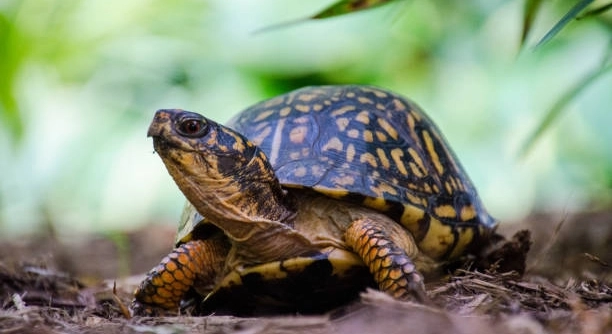
Water leakage in box turtle enclosures can be a common issue for turtle owners. It can lead to discomfort for the turtles and damage to the enclosure. Fixing these leaks promptly ensures a safe and healthy environment for your pets.
To fix water leakage in box turtle enclosures, start by identifying the source of the leak. Carefully check for cracks, worn seals, or damaged components. Once located, repair or replace the damaged parts and ensure a proper seal to prevent future leaks.
Learning how to manage water leakage is crucial for the well-being of your turtles. By following these steps, you’ll maintain a safe habitat for them to thrive in. Keep reading for easy, step-by-step instructions.
Identifying the Leak Source
To begin fixing water leakage in your box turtle enclosure, it’s essential to locate where the water is leaking from. The most common areas to check are the seams, corners, and any cracks in the materials. Look closely at the bottom of the enclosure, as this is where water tends to pool and where leaks are more noticeable. For plastic enclosures, cracks may appear over time due to wear or pressure, while wooden enclosures can develop water damage or warping.
Once you’ve found the source, consider if it’s something that can be repaired easily or if it requires a more significant fix. It’s also helpful to inspect the tank or enclosure structure after you’ve emptied it of water, as this will give you a clear view of the problem area. Take your time during this inspection, as overlooking a small crack or seam might result in a recurring leak.
The right repair depends on the materials used in your enclosure. Understanding the structure will guide your next steps.
Preparing for Repairs
Before fixing the leak, ensure that you have all the necessary tools and materials on hand. You’ll need waterproof sealant, silicone, or even a replacement part if the damage is too severe. Clean the area thoroughly to remove any dirt or algae buildup. This makes the sealant adhere better and ensures a tight seal.
In some cases, you may also want to use a waterproof patching tape or adhesive, especially if the leak is in an easily accessible area. Taking these simple steps can make the repair more effective and long-lasting.
Applying Sealant or Patching the Leak
Now that you’ve prepared the area, it’s time to repair the leak. For cracks or small holes, a good quality waterproof sealant works best. Apply a generous layer over the damaged area, smoothing it out with a tool to ensure it’s fully covered. Be sure to press it into any cracks or crevices, paying close attention to the edges where water might seep through. Allow it to cure for the recommended time before testing the enclosure.
For larger leaks, you may need to replace the affected section entirely, especially if it’s beyond repair. In this case, remove the damaged component and replace it with a new one, ensuring it fits snugly and securely. Once installed, apply sealant around the edges to prevent any future leaks. This method is effective and ensures the enclosure remains intact.
Preventing Future Leaks
Once you’ve repaired the leak, it’s important to take steps to prevent future problems. Regularly inspect your enclosure for signs of wear or water damage. If you notice any cracks or other issues, fix them immediately to avoid larger repairs down the line. Be mindful of how much water you use in the enclosure, as too much water pressure can lead to leaks over time.
Routine maintenance, such as cleaning and resealing the tank every few months, can also help prevent leaks from forming. Remember to keep your turtle’s environment dry, but not too dry, as this can lead to other issues, such as dehydration or mold growth. By staying on top of maintenance, you’ll provide your turtle with a secure, leak-free habitat.
Checking for Structural Damage
It’s crucial to check the overall structure of your enclosure after locating the leak. Sometimes the issue might not just be the leak itself but also any structural damage. Examine the walls and bottom for signs of warping, cracking, or weakening materials that may worsen the problem.
A damaged structure can make repairs less effective, as water might find its way through new gaps. For example, warped wood may leave open spaces where leaks can continue to occur. If the structure is unstable, you may need to replace the entire section that’s compromised. This ensures a more reliable and long-term solution.
Once you’ve assessed the damage, consider whether reinforcement is necessary. Adding a stronger frame or support can prevent further issues and make the enclosure more durable. Pay special attention to the areas under pressure, such as the base, where water weight can cause strain over time. Proper reinforcement will help maintain the stability of the enclosure for years to come.
Resealing the Enclosure
After repairing the leak, resealing the enclosure is an essential next step. Even if you’ve applied sealant to the damaged area, a full reseal ensures that other parts of the enclosure are protected as well. Clean the surface before applying the new sealant to avoid any dirt or debris that may prevent a proper seal.
You can use silicone-based sealants or rubber-based sealants, depending on the material of the enclosure. Both types are waterproof and durable, providing a long-lasting seal. Carefully apply the sealant around the edges and corners to ensure water won’t seep through. For larger enclosures, make sure to check the entire perimeter, not just the areas that appear damaged. This precaution helps avoid potential leaks in other areas.
After sealing, let the enclosure sit for the recommended curing time. Avoid filling it with water until the sealant has fully dried and set. This waiting period is crucial to ensure the sealant is effective and doesn’t peel away once exposed to moisture. Testing the enclosure before putting your turtle back inside will help you verify that the repairs were successful.
Using Waterproof Tape for Temporary Fixes
Waterproof tape is a useful temporary solution while you wait for more permanent repairs. It can seal smaller cracks or holes until you have the time to apply a more permanent fix. Make sure to clean the area before applying the tape for better adhesion.
The tape works by covering the leak and creating a water-resistant barrier. While it isn’t as durable as sealant or patching, it can help manage leaks in the short term. If you need a quick fix to prevent further damage, waterproof tape can be a handy tool to hold things together.
Replacing Damaged Parts
If the damage is too extensive, it’s time to replace the affected parts of your enclosure. This could include replacing cracked panels, worn seals, or other damaged components that are beyond repair. Make sure to choose replacement materials that are suitable for your enclosure type.
Replacing damaged parts not only fixes the leak but also strengthens the overall structure. Use materials that match the original design to ensure everything fits properly. Once the new parts are installed, check for leaks around the new pieces and apply additional sealing if necessary.
FAQ
What is the best material for a box turtle enclosure?
The best materials for box turtle enclosures are durable, waterproof, and safe for your pets. Common options include plastic, glass, and wood. Plastic enclosures are easy to clean and lightweight, but they can crack over time. Glass provides a sturdy structure but is heavy and can be prone to breaking if not handled carefully. Wood offers a natural look but requires proper sealing to prevent water damage and leaks. Choose a material based on your preference for maintenance, durability, and aesthetics.
How often should I check for leaks in my box turtle enclosure?
It’s a good idea to check for leaks regularly, at least once a month. Small leaks can go unnoticed, and checking often will help catch issues early. After cleaning or changing the water, carefully inspect the enclosure for any signs of moisture buildup outside the tank. This will allow you to address leaks before they worsen and potentially harm the structure of the enclosure or your turtle.
Can I fix a leak myself, or do I need professional help?
Most minor leaks can be fixed yourself with the right materials, such as waterproof sealants, tape, or replacements for damaged parts. If the leak is large or the damage is extensive, you may need to replace parts of the enclosure. Professional help is typically not required unless the leak is difficult to locate or repair, or if you have a more complex setup, like a custom-built enclosure.
What is the best sealant to use for box turtle enclosures?
For box turtle enclosures, silicone-based sealants are generally the best option. They are waterproof, flexible, and safe for use in animal habitats. Look for aquarium-safe silicone, as it is non-toxic once cured and won’t harm your turtle. Be sure to allow the sealant to cure fully before refilling the enclosure with water to ensure it provides a strong, long-lasting seal.
How can I prevent leaks from happening in the first place?
Preventing leaks involves regular maintenance and careful monitoring of the enclosure. Ensure that the materials used are high quality and properly sealed. Avoid overfilling the enclosure with water, as excessive pressure can weaken seals. Re-seal the enclosure periodically and check for any cracks or signs of wear. Keeping the enclosure clean and free from debris also reduces the risk of damage to the structure.
Can water leakage affect my turtle’s health?
Yes, water leakage can negatively affect your turtle’s health if not addressed quickly. Leaking water can create a damp environment, which may lead to mold or bacteria growth. Excess moisture can also lead to dehydration or other health issues for your turtle. A consistent water level is necessary for maintaining a healthy habitat, so fixing leaks is important for your turtle’s well-being.
How do I clean and maintain my box turtle enclosure?
To clean your box turtle enclosure, remove your turtle and any decorations or accessories. Scrub the interior with a gentle, non-toxic cleaner and a soft sponge or brush to remove any algae, dirt, or waste. Rinse thoroughly to avoid leaving any cleaner residue behind. You should also disinfect the enclosure at least once a month with an appropriate disinfectant. Check the structure, especially around seams and edges, for any signs of wear or leaks.
Should I use a liner inside the enclosure?
Using a liner inside the enclosure can help prevent leaks and make cleaning easier. Waterproof liners protect the walls and bottom of the enclosure from moisture damage and mold. They are especially useful in wooden enclosures where water damage is more likely. However, make sure the liner is secure and doesn’t move around, as this could cause leaks in other areas.
Can I use my box turtle enclosure outdoors?
You can use a box turtle enclosure outdoors, but you’ll need to make sure it is well protected from the elements. Outdoor enclosures should be covered to prevent rainwater from entering and to avoid leaks. Make sure the enclosure is elevated off the ground to prevent water from seeping in from the base. Regularly check the structure for any signs of damage or wear due to exposure to weather.
How do I prevent water from pooling at the bottom of the enclosure?
To prevent water pooling, make sure the bottom of the enclosure is level and properly sealed. If you notice pooling in certain areas, consider raising those spots slightly to encourage water to flow evenly throughout the tank. You can also use a drainage system or a substrate that absorbs excess moisture to help with water distribution.
How long should the sealant cure before I can refill the enclosure?
The sealant should typically cure for 24 to 48 hours before refilling the enclosure with water. Always check the product’s instructions for specific curing times, as some sealants may require longer. Waiting for the full cure time ensures that the sealant bonds properly and prevents leaks from forming once the water is added.
Final Thoughts
Fixing water leakage in box turtle enclosures is a task that every turtle owner should be prepared for. While it may seem overwhelming at first, most leaks can be addressed with simple tools and materials. Whether it’s a small crack or a more significant issue, taking the time to properly inspect and repair your enclosure ensures a safe and comfortable environment for your turtle. Regular checks for leaks can help prevent bigger problems down the line and ensure your turtle’s habitat remains healthy.
It’s also important to remember that preventing leaks is just as crucial as fixing them. Keeping your enclosure in good condition through regular maintenance, such as resealing and cleaning, will help reduce the likelihood of leaks forming. Checking for signs of wear and tear on the enclosure, as well as being mindful of the water pressure, can go a long way in ensuring the enclosure stays leak-free. By taking these simple steps, you can avoid the stress of dealing with unexpected water damage and keep your turtle’s environment stable.
Ultimately, the goal is to provide a secure, safe, and comfortable home for your turtle. A well-maintained enclosure helps reduce health risks and promotes your turtle’s overall well-being. Keeping the enclosure clean, properly sealed, and leak-free will contribute to your turtle’s long-term happiness. While dealing with leaks may seem like a hassle, it’s just a part of being a responsible turtle owner. By addressing the issue promptly and taking steps to prevent future leaks, you can ensure your turtle’s habitat stays in great shape for years to come.

Hello,
If you enjoy the content that we create, please consider saying a "Thank You!" by leaving a tip.
Every little bit helps us continue crafting quality advice that supports the health, happiness, and well-being of pets around the world, for pets of all shapes, sizes, and species.
We really appreciate the kindness and support that you show us!